
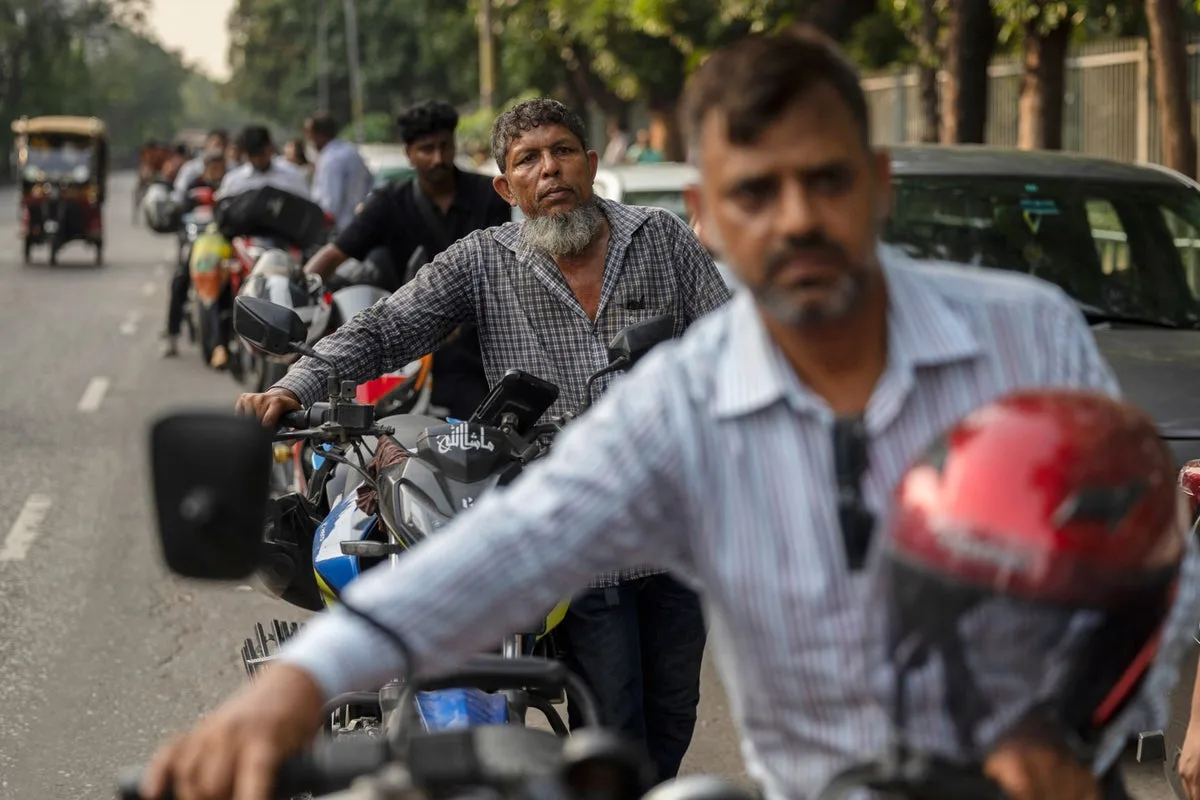
Ride-share driver Tariqul Islam, 53, has seen his income plummet as fuel shortages linked to the Iran war force him to spend hours queuing for petrol in Dhaka. The father of four, who turned to ride-sharing after losing his savings in a clothing business, now fears for his family's survival if the conflict continues.
Bangladesh, heavily reliant on imported fuel, is facing energy shortages that have disrupted daily life and slowed industrial output. The government has increased fuel supplies in recent days, easing queues, but concerns persist across sectors as global tensions push up costs.
The Asian Development Bank cut its growth forecast for developing Asia to 4.7% in 2026, warning that war-driven energy disruptions would fuel inflation. Bangladesh's growth is expected to slow to 3.9% in the fiscal year ending June 2026, according to the World Bank, which warned that a prolonged Middle East conflict could strain public finances through higher energy subsidies.
Business leaders report that garment exports, the backbone of Bangladesh's economy, have fallen by 5% to 13% in recent months. Anwar-Ul Alam Chowdhury, president of the Bangladesh Chamber of Industries, said factory output has dropped by 30% to 40% and that customers could lose confidence in Bangladesh's ability to deliver.
Islam, struggling to support his family, said: "If this situation continues, we will have to move back to our village and find some other way to earn a living. It is not possible to survive in Dhaka by doing ride-sharing under these conditions."




