

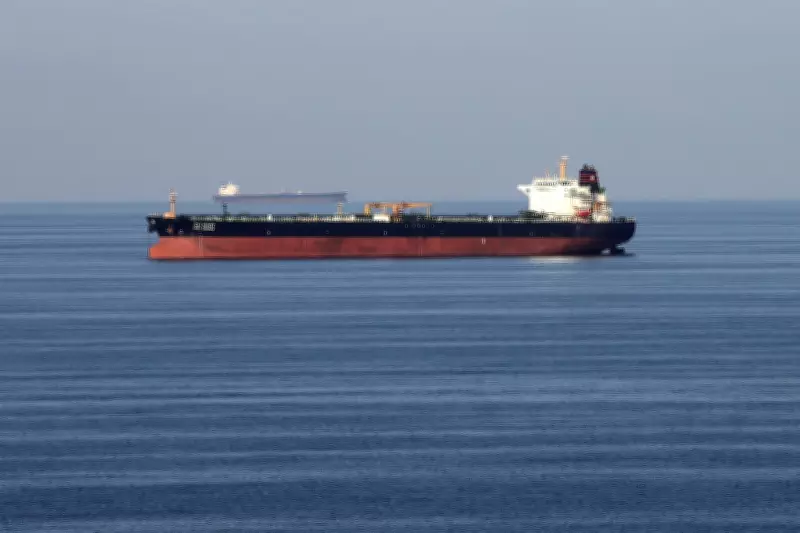
Iranian Forces Seize Control of Critical Oil Shipping Route, Threatening Global Energy Markets
Iranian military forces have asserted "complete control" over the Strait of Hormuz, one of the world's most vital maritime passages, triggering an immediate collapse in shipping traffic and raising fears of a catastrophic global energy crisis. The Islamic Revolutionary Guard Corps (IRGC) has warned it will set fire to any vessels attempting to navigate the strait, following reported attacks on US oil tankers in the northern Gulf.
Strategic Waterway Paralyzed as Conflict Escalates
Maritime traffic through the Strait of Hormuz has plummeted by 80% since Sunday, according to Lloyd's List Intelligence data, with some reports indicating a staggering 94% reduction in vessel movements. The Bahrain-based Joint Maritime Information Centre recorded only three ships passing through on Sunday, compared to the typical daily average of 138 vessels. Approximately 150 ships have dropped anchor near the strait, while hundreds more remain immobilized near Gulf countries.
The current crisis represents the most severe disruption to this critical passage since the 1980s, surpassing even the tensions during last year's Iran-Israel conflict. Iranian forces effectively closed the route this week in retaliation for US missile strikes that sank several Iranian ships, marking a dangerous escalation in the six-day-old conflict.

Why the Strait of Hormuz Matters to Global Energy Security
The narrow waterway, spanning just 21 miles at its narrowest point between Iran and Oman, serves as the primary conduit for Middle Eastern energy exports. Each day, approximately 20 million barrels of oil—representing one-fifth of global consumption—flow through this passage, alongside one-third of the world's liquefied natural gas supply.
"The scale of what is at stake cannot be overstated," emphasized Hakan Kaya, senior portfolio manager at investment firm Neuberger Berman. "A full closure lasting a month or more would push crude oil prices well into triple digits and European natural gas prices toward crisis levels seen in 2022."
This maritime chokepoint handles exports from all major Gulf producers including Saudi Arabia, Kuwait, Iraq, Qatar, Bahrain, the United Arab Emirates, and Iran itself. While alternative pipelines exist in Saudi Arabia and the UAE, the US Energy Information Administration confirms that most regional oil volumes have no viable alternative export routes.
Immediate Consequences and International Response
The shipping paralysis has already produced tangible casualties and environmental damage. At least four tankers have reportedly been struck in recent attacks, with one incident involving a tanker anchored off Kuwait suffering a "large explosion" that caused oil leakage from cargo tanks. An Indian crew member has been confirmed dead, with multiple injuries reported among other vessels.
Maritime insurers have withdrawn coverage for the region, compounding the logistical crisis. US President Donald Trump has announced that Navy forces will begin escorting oil tankers through the strait "as soon as possible," declaring that the United States will ensure the "free flow of energy to the world."
The conflict has spilled beyond regional waters, with US forces torpedoing an Iranian warship in the Indian Ocean near Sri Lanka—an incident that claimed at least 80 lives with 100 more missing. This development threatens to deepen a crisis that has already paralyzed international shipping.
Global Economic Implications and Market Reactions
Energy analysts warn that even a partial slowdown lasting weeks could strain global oil reserves, while a prolonged closure would trigger unprecedented price spikes. Brent crude, trading around $80 per barrel before the crisis, faces potential triple-digit increases that would reverberate through already fragile global economies.
Major Asian importers including China, India, and Japan—who collectively receive most Hormuz-shipped oil—have expressed grave concerns. China's foreign ministry has stated it will take "necessary measures to safeguard its energy security," while Japan has joined calls for immediate de-escalation.

The current standoff underscores the fragile nature of global energy infrastructure and the disproportionate impact that control of narrow maritime passages can exert on worldwide economic stability. With diplomatic solutions appearing distant and military posturing intensifying, the world watches anxiously as events unfold in this 100-mile-long waterway that disproportionately influences global energy markets.





