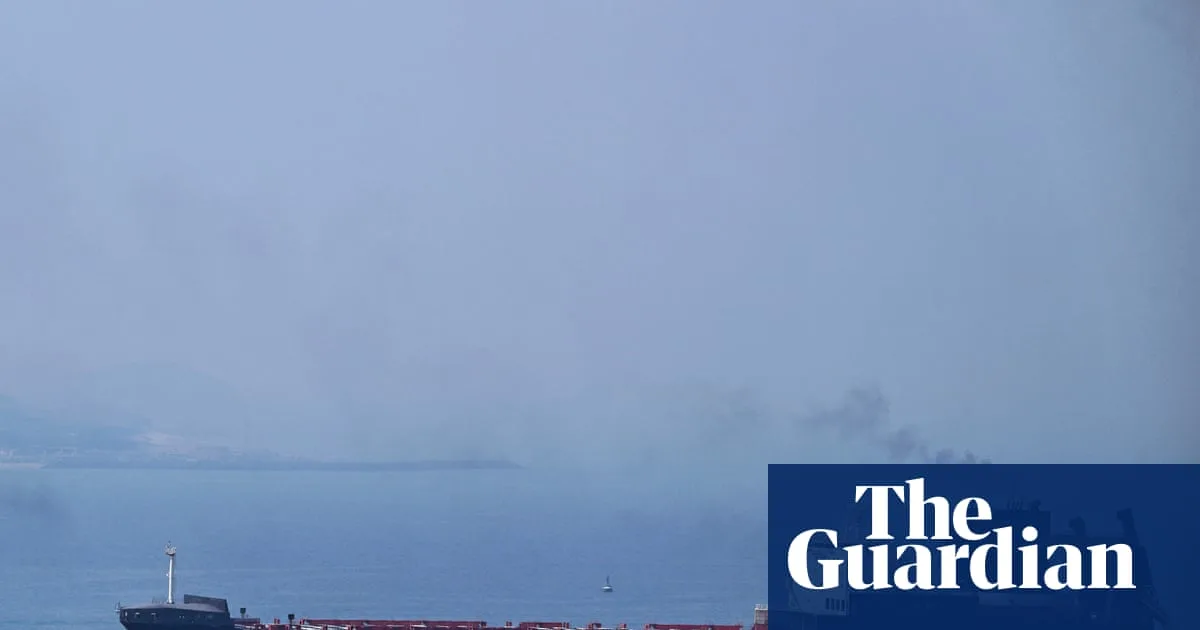
The head of Abu Dhabi's state oil company has issued a stark warning that Iran is effectively "weaponising" the strategically vital Strait of Hormuz, despite a recent ceasefire agreement with the United States. Sultan Al Jaber, Chief Executive Officer of the Abu Dhabi National Oil Company (Adnoc), stated in a detailed LinkedIn post that access through the world's most critical maritime oil corridor remains "restricted, conditioned and controlled."
A Dangerous Precedent for Global Navigation
Mr Al Jaber emphasised that this situation sets a perilous precedent, directly undermining the fundamental principle of freedom of navigation which supports global trade and economic stability. "The weaponisation of this vital waterway, in any form, cannot stand," he declared. His comments highlight a growing international concern that Iran is using the strait as a tool for political leverage.
Hundreds of Vessels Stranded Amid Ceasefire Uncertainty
According to the Adnoc chief, an estimated 230 vessels, fully loaded with oil, are currently sitting idle and ready to sail but are unable to pass freely. Iran effectively closed the strait following US and Israeli military actions in late February, leaving approximately 1,400 ships stranded on either side. Although a US-Iran truce was agreed upon last Wednesday, purportedly including provisions to reopen the waterway, very few ships have managed to transit, casting serious doubt on the durability of the ceasefire.
"No country has a legitimate right to determine who may pass and under what terms," Mr Al Jaber asserted. "Iran has made clear – through both its statements and actions – that passage is subject to permission, conditions and political leverage. That is not freedom of navigation. That is coercion." The Strait of Hormuz normally facilitates the transit of about one-fifth of the world's oil and gas supplies, making its blockage a severe disruption to global energy markets.
Mounting Economic Consequences and Market Volatility
The ongoing restrictions are having immediate and compounding economic effects. "Every day the strait remains restricted, the consequences compound. Supply is delayed, markets tighten, prices rise. The impact is felt beyond energy markets, in economies, industries and households worldwide," Mr Al Jaber explained. This uncertainty has already triggered significant volatility in energy prices and contributed to stock market declines across Asia and Europe, as fears mount that the truce may be breaking down and tensions could re-escalate.
Oil and Gas Prices Experience Sharp Swings
Oil markets have reacted violently to the fragile geopolitical situation. Brent crude oil surged more than 4 percent to exceed $99 per barrel on Thursday, while US crude oil jumped 8 percent to over $102, reversing a steep decline from the previous day. Market analyst Tony Sycamore noted, "The initial wave of relief following President Trump's two-week ceasefire announcement has quickly given way to underlying doubts." All attention is now focused on tanker traffic through the Strait of Hormuz for any indications of increased movement ahead of scheduled peace talks in Pakistan.
Gas markets mirrored this instability, with UK gas prices edging higher after a 15 percent plunge and European natural gas futures rebounding from recent lows. The tense atmosphere is further exacerbated by Iran's Revolutionary Guards issuing a warning of a "regret-inducing response" if Israel continues its strikes on Lebanon, which have already resulted in substantial casualties.
Asian Markets Respond with Cautious Gains
Despite the energy market turmoil, Asian stock markets mostly advanced on Friday, following positive trends on Wall Street. Key indices such as South Korea's Kospi and Japan's Nikkei 225 recorded strong gains. Notably, Japanese retailer Fast Retailing saw its shares surge after raising its profit forecasts. Hong Kong's Hang Seng Index and China's Shanghai Composite Index also climbed, even as China reported inflation figures that were softer than anticipated. Conversely, Australia's S&P/ASX 200 experienced a slight decline, while markets in Taiwan and India posted moderate increases.
The situation underscores the critical importance of the Strait of Hormuz to the global economy and the high stakes involved in the upcoming diplomatic negotiations between the US and Iran. The world watches anxiously to see if the waterway will be fully reopened or if the weaponisation of this essential maritime route will continue to disrupt international trade and energy security.






