

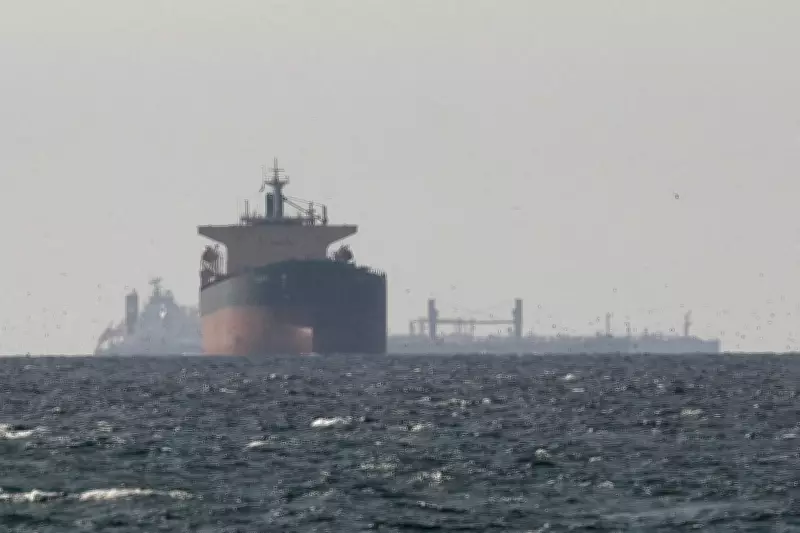
Despite a tentative ceasefire agreement between the United States and Iran, commercial shipping through the critical Strait of Hormuz remains largely paralysed, with only three Iranian-linked vessels having transited the waterway since the announcement. Traffic through this vital maritime chokepoint, which handles about one-fifth of the world's oil shipments, is significantly reduced, casting doubt on the immediate prospects for a revival in global trade flows.
Iran's Toll System and Ongoing Tensions
Iran's toll system for transit, which requires detailed documentation and payment from vessels, remains fully intact and operational. This bureaucratic hurdle, combined with persistent threats from both sides, continues to deter commercial shipping. Former US President Donald Trump has stated that American troops will remain in the region until the ceasefire agreement is fully complied with, while Iran's Islamic Revolutionary Guard Corps has issued warnings to vessels against unsanctioned transit, heightening the risk of incidents.
Oil Prices and Ceasefire Doubts
Brent crude prices have climbed above $96 a barrel, driven by market scepticism over the durability of the ceasefire. These doubts are exacerbated by Israel's continued military strikes in the region and Iran's accusations of truce violations by the US and its allies. The volatility in oil markets reflects broader concerns about the stability of the agreement and its impact on energy supplies.

Analysts Predict Slow Recovery
Experts are sceptical about a quick resumption of normal traffic through the Strait of Hormuz, even if the ceasefire holds. They cite several factors, including high geopolitical volatility, elevated insurance premiums for vessels operating in the area, and the need for a US delegation to negotiate the strait's reopening with Iranian authorities. The combination of these elements suggests that shipping revival may be a protracted process, with potential disruptions to global supply chains.
Broader Implications for Global Trade
The ongoing closure of the Strait of Hormuz to most commercial shipping has far-reaching implications for international trade and energy security. As one of the world's most strategic maritime passages, any prolonged disruption could lead to increased costs for consumers and businesses worldwide. Monitoring the situation closely, stakeholders are urging for diplomatic efforts to ensure a sustainable and safe reopening of the waterway.






