
The “shadow fleet” used by Russia, Iran and Venezuela to evade Western sanctions is “exploding” in scale, raising fears of military confrontation as policing efforts intensify. The fleet, consisting of ageing oil tankers under opaque ownership and questionable flagging, has drawn increasing international attention this year, with maritime interdictions and a US blockade in Venezuela.
Earlier this month, US special forces boarded the tanker Skipper off Venezuela, which had been under sanctions since 2022 for allegedly smuggling oil for Iran’s Revolutionary Guards and Hezbollah. On Saturday, US forces apprehended a second merchant vessel carrying oil in international waters off Venezuela, though it was not on the US sanctions list. These actions follow incidents where Estonia and France interdicted suspected Russian shadow fleet vessels, and Ukrainian drone attacks on Russian tankers accused of sanctions evasion.
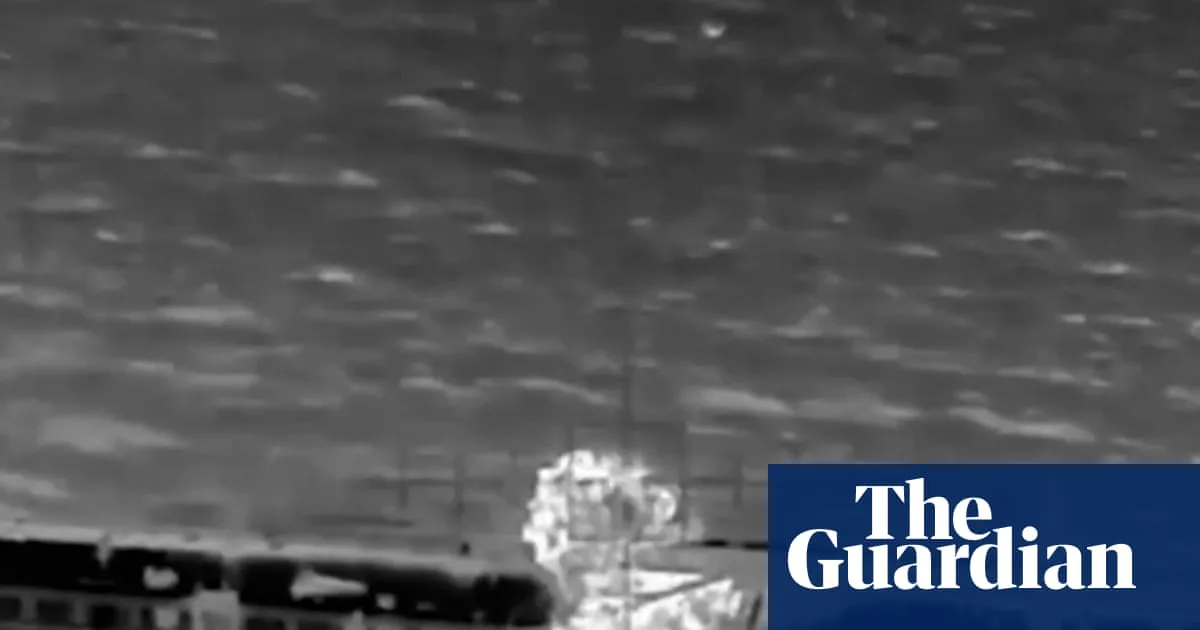
The risk of confrontation was highlighted on Friday when Ukraine struck a Russian tanker with aerial drones in neutral waters off Libya, marking Kyiv’s first such attack in the Mediterranean. A source in Ukraine’s Security Service described it as a “new, unprecedented special operation”.
Gonzalo Saiz Erausquin, a research fellow at the Royal United Services Institute, noted that the shadow fleet expanded drastically after Russia’s 2022 invasion of Ukraine, now numbering 900-1,200 vessels globally. “It is not highly structured or homogeneous,” he said, describing secondhand tankers owned by opaque interests or companies engaged in illicit activity.
The fleet has spawned a network of fake flag registration websites, unscrupulous brokers, and opaque companies. The tanker Boracay, interdicted by Estonia and France this year, exemplifies this: acquired by a Seychelles brass plate company, it was blacklisted by the UK and EU for suspected links to Russian oil transport and fraudulent flag listings in Benin, Gambia, and Malawi.
Countries countering the shadow fleet rely on international laws on seaworthiness, insurance, and safe navigation. However, the growing appetite for enforcement, including the Trump administration’s December announcement of a blockade against sanctioned ships in Venezuela, carries risks. French President Emmanuel Macron also signalled greater European willingness to tackle such vessels in its waters.




