
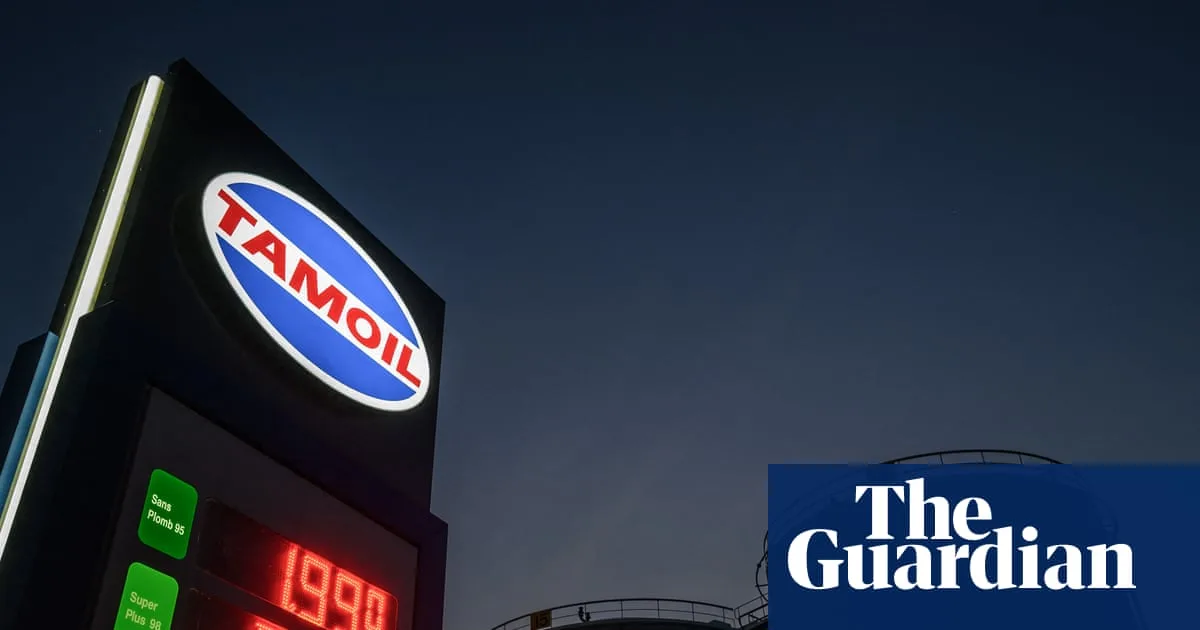
Ten weeks after the first US-Israeli attacks on Iran, European markets and governments remain surprisingly calm despite dire warnings of an imminent supply chain crunch. The conflict has throttled shipping through the Strait of Hormuz since late February, causing the biggest energy shock in modern history, yet share indices have not crashed and many companies have not taken significant action.
While some Asian countries have urged citizens to conserve energy or introduced rationing, Europe's response has been muted. Motorists face higher fuel costs and central banks may raise interest rates, but wider supply chains appear to be holding up, partly due to stockpiles that have cushioned the economic impact. However, these reserves are being depleted, and experts warn that shortages could hit within weeks.
Investors have seized on positive news, such as the AI boom buoying US shares, but the longer the Strait remains closed, the more emergency stocks of oil and other commodities are run down. Even if the waterway reopens tomorrow, it could take months for supply chains to normalise. Companies like Lucid Motors have already warned of disrupted material supplies and rising costs, while a senior car industry executive described a 'degree of complacency' among manufacturers hoping the situation resolves itself.
Some firms, such as BMW, are optimistic, with finance chief Walter Mertl calling the impact 'limited' and expecting a solution soon. But analysts caution that many companies lack visibility into their deeper supply chain tiers, breeding complacency. JP Morgan warns that oil inventories could reach 'operational stress levels' across OECD countries as soon as next month, and experts flag rising prices for fertiliser, aluminium, and chemicals. The car industry executive warned that materials problems could get 'really hot' around the end of May if shortages force production stoppages.




