

Senate Democrats Launch Legislative Effort to Shield Small Businesses from Trump's Tariffs
Senate Democrats have introduced a new bill aimed at protecting small businesses from the latest round of tariffs imposed by former President Donald Trump. The legislation, known as the "Small Business Liberation 2.0 Act," seeks to exempt goods imported by or for small businesses from these tariffs, which Trump enacted on 20 February 2026.
Bill Details and Sponsors
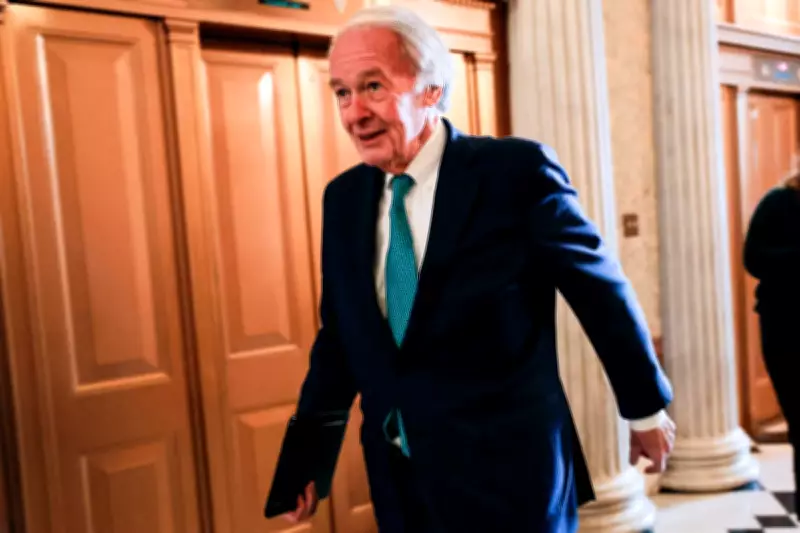
The bill was introduced by Senator Ed Markey of Massachusetts, who serves as the ranking member of the Senate Small Business and Entrepreneurship Committee. In addition to the tariff exemptions, the legislation includes provisions to prohibit price gouging resulting from the new tariffs. Several prominent Democratic senators have signed on as co-sponsors, including Chuck Schumer, Mazie Hirono, John Hickenlooper, Kirsten Gillibrand, Amy Klobuchar, and Chris Van Hollen.
Markey criticized Trump's tariff policies, stating, "Trump's tariff tax scam is simple: if at first your policies are ruled illegal, double down and try, try again." He emphasized the burden on small businesses, adding, "America's small businesses cannot bear another bruising round of uncertainty and consumers in Massachusetts and across the country cannot foot the bill for another punishing round of Trump's tariff taxes."

Background and Context
The bill comes in response to Trump's announcement of a new 10% global baseline tariff under section 122 of the Trade Act of 1974, which allows the president to impose tariffs for up to 150 days. This move followed a US Supreme Court ruling that invalidated Trump's previous "liberation day" tariffs. Despite the court's decision, Trump proceeded with the new tariffs, prompting Democratic lawmakers to take action.
However, the bill's prospects are dim in the Republican-majority Senate, where it is expected to stall. This political reality underscores the challenges facing small business owners who have struggled with the financial impacts of Trump's tariff wars.
Impact on Small Businesses
Small business owners across the United States have expressed significant concerns about the tariffs. Many have reported extreme stress and financial hardship due to increased costs. For example, Dr. Charlie Elrod, who runs a company producing natural health products for livestock, noted that tariffs, particularly those on Brazil, have raised costs by approximately $1 million over the past year.
After absorbing these costs for six months, the company increased prices by 5%, but profitability has still declined. Elrod's experience reflects a broader trend among entrepreneurs navigating the fallout from global tariff disputes.
Legal Challenges and Refunds
Both before and after the Supreme Court ruling, more than 1,000 companies filed lawsuits against the government over its tariff policy. Recently, a US trade court judge ordered the government to begin paying billions of dollars in refunds to importers who paid tariffs deemed illegal by the court. This legal backdrop adds complexity to the ongoing debate over tariff policies and their effects on the economy.
While the introduction of the Small Business Liberation 2.0 Act may offer hope to some business owners, its unlikely passage highlights the partisan divisions in Washington and the continued uncertainty for small enterprises facing tariff-related challenges.






