

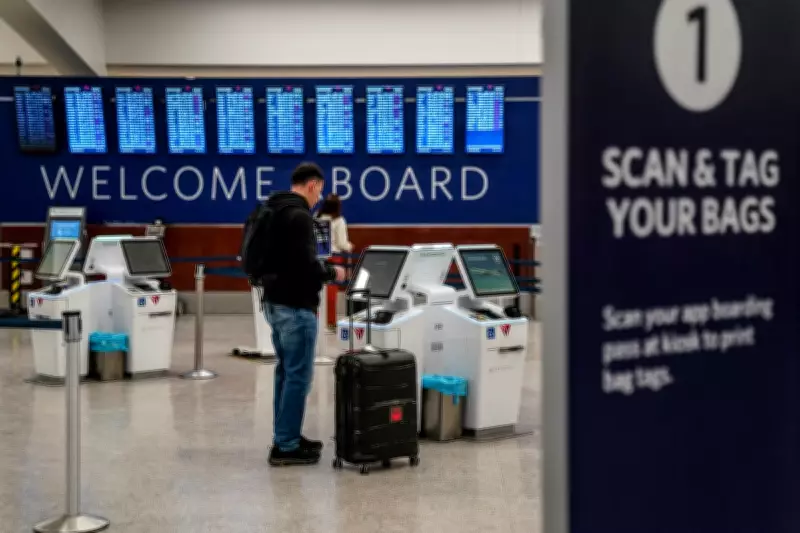
Delta Air Lines Announces Baggage Fee Increases
Delta Air Lines has become the third major U.S. carrier to raise checked baggage fees in recent days, as airlines grapple with skyrocketing jet fuel prices driven by the ongoing war in the Middle East. The move follows similar announcements from United Airlines and JetBlue, highlighting widespread industry pressures.
New Fee Structure and Effective Date
Beginning Wednesday, most passengers on Delta's domestic and short-haul international routes will face a $10 increase for their first and second checked bags, and a $50 increase for a third checked bag. This adjustment brings the fees to $45 for the first bag, $55 for the second, and $200 for the third. Delta confirmed that fees for long-haul international flights remain unchanged, marking the first increase on domestic routes in two years.
Delta stated: "These updates are part of Delta's ongoing review of pricing across its business and reflect the impact of evolving global conditions and industry dynamics." The airline emphasized that complimentary bags will still be available for customers in premium cabins, active-duty military personnel, eligible co-branded credit card holders, and members of certain loyalty tiers.

Impact of Jet Fuel Price Surge
The fee hikes are a direct response to the dramatic rise in jet fuel costs. According to Argus Media, the average price for a gallon of jet fuel in major hubs like Chicago, Houston, Los Angeles, and New York reached $4.69 on Monday, up from $2.50 just before the conflict began on February 28. Delta CEO Ed Bastian informed investors last month that the jump in jet fuel prices had already added approximately $400 million to the airline's operating expenses since the war started.
Executives at United Airlines and American Airlines have reported similar financial strains, with United's CEO warning that some airlines "might not survive" the crisis if the war continues without resolution. The conflict near the Strait of Hormuz, a critical oil transit point handling roughly one-fifth of the world's oil, has disrupted global supplies and led to volatile oil markets.
Industry-Wide Responses and Strategies
Airlines worldwide are implementing various strategies to offset these higher expenses. In the U.S., carriers like Delta are increasingly relying on ancillary fees, such as baggage charges, to mitigate costs. Analysts note that while U.S. airlines are raising ticket prices and fees, many non-U.S. carriers are responding by adding or increasing fuel surcharges.
Jet fuel typically ranks as the second-largest expense for airlines after labor, making it a significant factor in pricing decisions. The recent moves by Delta, United, and JetBlue underscore the broader challenges facing the aviation industry as it navigates economic uncertainties and geopolitical tensions.
As the situation evolves, passengers can expect continued adjustments in airline pricing and policies, with carriers balancing operational costs against customer expectations in a highly competitive market.






