
China's economy expanded by 5% in 2025, meeting the official target set by Beijing, according to data released by the National Bureau of Statistics on Monday. The growth rate matched that of 2024, despite a slowdown to 4.5% in the final quarter—the weakest quarterly figure since early 2023.
The economy defied expectations of a significant blow from US tariffs and the ongoing property crisis, recording a record trade surplus of $1.2 trillion as it found alternative markets. Luke Yeaman, chief economist at the Commonwealth Bank of Australia, noted that navigating the geopolitical landscape remains a 'major wildcard,' but predicted continued growth through 2026.
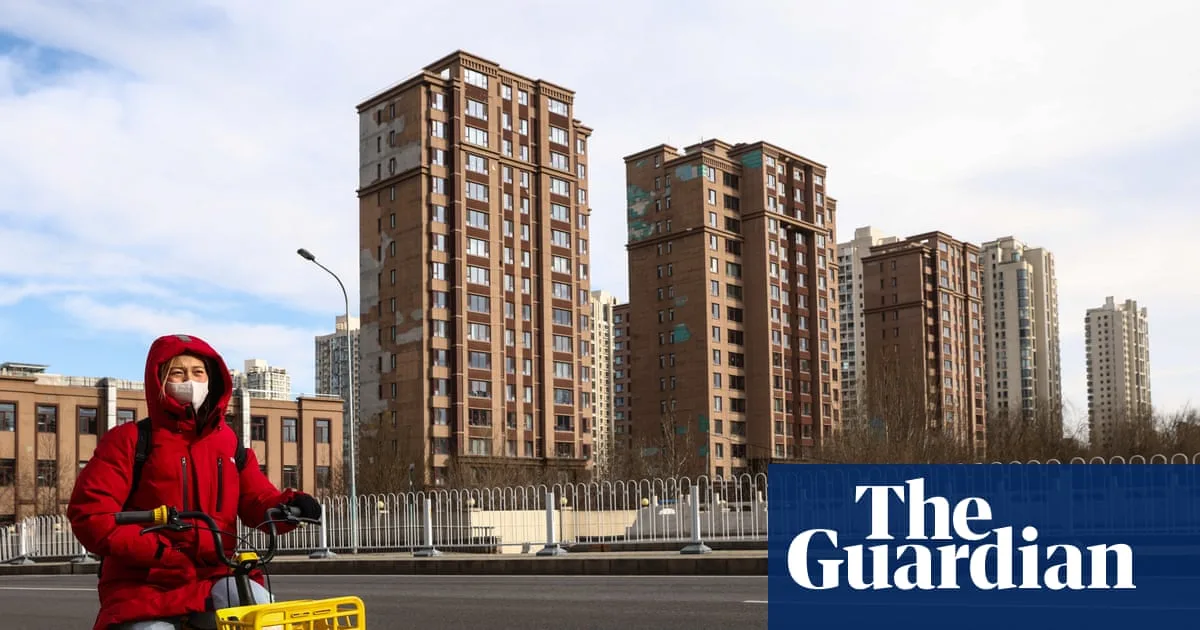
However, Yeaman warned that structural challenges, including a four-year housing market downturn, persist. Home prices have fallen over 20% since their 2021 peak, depressing consumer confidence and leaving a looming debt crisis in the property sector. China has also battled deflation, with consumer prices rising just 0.8% in 2025.
Kang Yi, head of the National Bureau of Statistics, said the economy faces 'problems and challenges' but will maintain stable growth this year. Yet, analysts at Capital Economics estimate official growth figures may be inflated by up to 1.5 percentage points, suggesting actual growth closer to 3.5%.
Household consumption remains low at under 40% of economic output, compared to a global average of 60%. The government provided 300 billion yuan ($43 billion) in subsidies for appliance trade-ins last year, a scheme extended into 2026. Moody's Analytics noted a 'sense of deja vu' as officials promise support, but households and businesses await action.




