
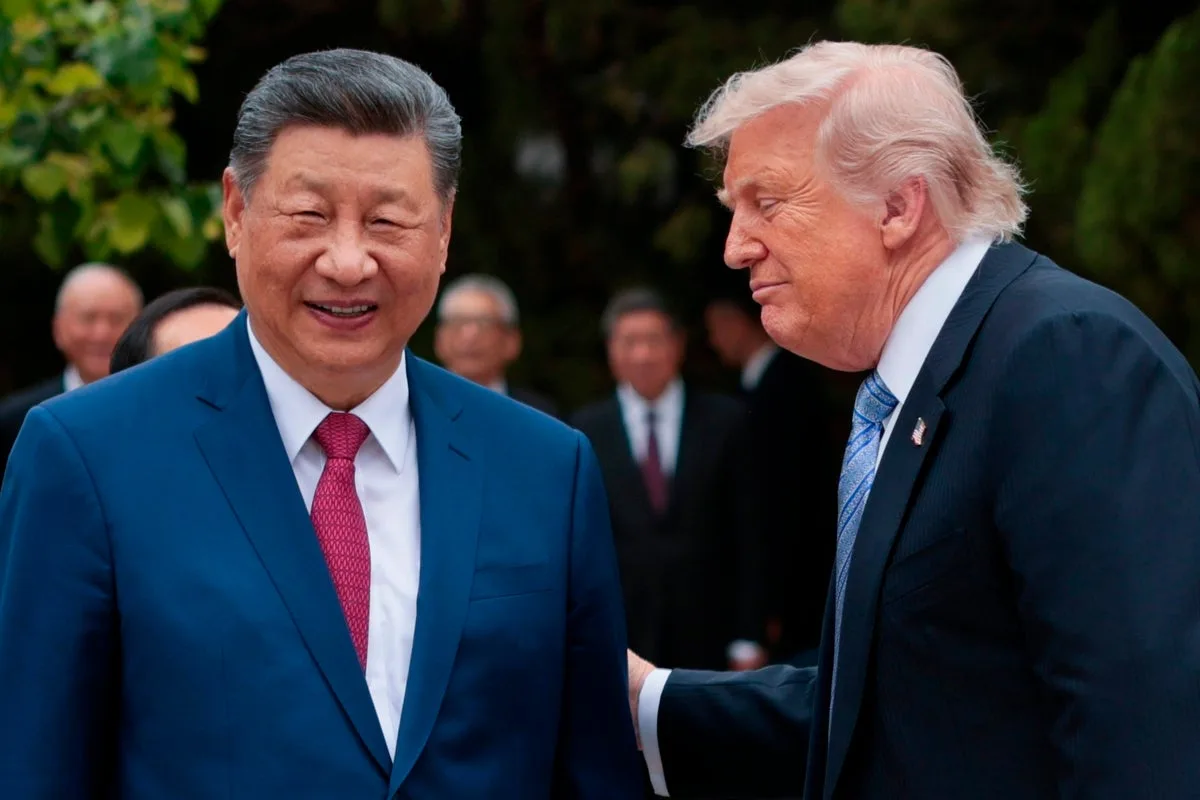
The White House announced on Sunday that China has agreed to increase purchases of US agricultural products, including beef and poultry, at an annualised rate of $17 billion per year for 2026, maintaining that level through 2028. The deal comes two days after President Donald Trump returned from a summit in Beijing aimed at easing the impact of the trade war on American farmers.
Under the agreement, China will restore market access for US beef and resume imports of poultry from states declared free of bird flu by the US Department of Agriculture. These commitments add to China's soybean purchase pledges from last year, offering some relief to farmers who have suffered from reduced exports during the trade conflict.
However, there was no immediate confirmation from Beijing. China's Ministry of Commerce stated on Saturday that the two sides would resolve or make substantial progress on non-tariff barriers and market access issues for agricultural goods. The US will work to address China's concerns about dairy, seafood, bonsai exports, and bird-flu-free recognition for Shandong province, while China will address US concerns over beef facility registration and poultry exports from certain states.
The two sides also agreed to expand trade through reciprocal tariff reductions on a specific range of products, though no details were provided. China has diversified its agricultural imports, turning to Brazil and Argentina, as US farm exports to China fell from $38 billion in 2022 to $8 billion in 2025, according to USDA data.
The agreement builds on a trade truce reached in October, when China committed to buying 12 million metric tons of soybeans in the current marketing year and 25 million metric tons annually for the next three years. Hundreds of US beef plants, including those run by Tyson and Cargill, will be able to export to China again, though the volume remains unclear.




