
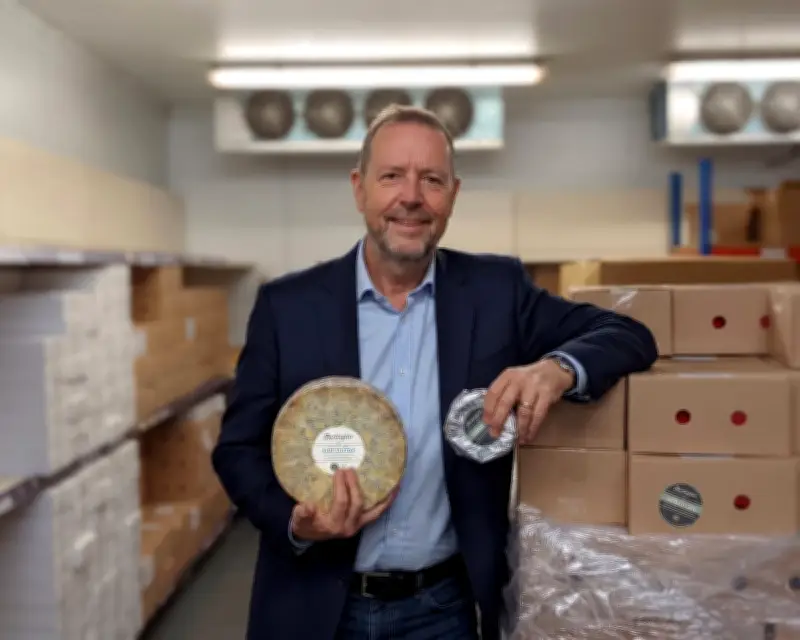
Small-to-medium-sized businesses across Britain are reporting devastating impacts a decade after the Brexit vote, with many ceasing exports, selling up, or retiring early. Cheesemaker Simon Spurrell says Brexit left a £250,000 hole in his business, ultimately forcing him to sell to a larger company. "Brexit is the biggest self-harm that any government has inflicted on itself in recent history," he says.
Health Certificates and Red Tape Crush Small Exporters
Spurrell, who ran an award-winning Cheshire cheese firm, discovered that every sale to the EU, even those worth only £30, required a £180 health certificate. He sold out to a larger company that could handle the paperwork. "Every small business that issues animal foodstuff – meat, cheese, dairy, eggs, even pet food – suffered massively because they didn't have the luxury of a large organisation that could blend in the paperwork," he explains.
Analysis of HMRC data by the National Farmers' Union earlier this year showed exports of farm products to the EU had fallen by 37.4% in the five years since 2019.
Farmers Forced to Retire or Sell Up
Alastair Brooks, owner of a berry farm in Kent, ceased trading and retired early, blaming the government's lack of preparation and failure to design a 10-year strategy for farmers post-Brexit. Seasonal workers from Romania and Bulgaria were replaced by workers from Uzbekistan and Kyrgyzstan, but many disappeared after obtaining National Insurance numbers, creating instability. "Running a business that relied on government pronouncements every March about how many people you could get to work on your farm that year was simply too big a risk," says Brooks.
Exporter Costs Quintuple
Daniel Lambert, a British-French dual national who runs a wine import/export business from France, says his UK costs have quintupled from £30,000 to £166,000 a year. "Every single thing I forecasted in terms of difficulties: paperwork, administration, generally people not knowing what's going on, the government being clueless; everything came to fruition and has basically become a total, utter nightmare," he says.
Before Brexit, selling wine into the UK required three steps; now it involves about 20, including exact commodity codes varying by alcohol level, export and excise duties on both sides of the Channel, and other paperwork. HMRC also requires importers to take out insurance against truck theft to guarantee excise duty, but Lambert has only found one company, based in Gibraltar, offering it.
Exports Still Down, Future Trade at Risk
Overall exports of goods to the EU have decreased 15.9% from 2016 to 2025, according to HMRC data. Mark Ormiston, a sixth-generation wire supplier, saw his EU business halved initially and it remains down 33%. He says he "cannot name one advantage of Brexit," calling it "the stupidest decision the British public has made."
Ben Fletcher, formerly of Make UK, warns that the UK's ability to grow markets for new products is at risk. "What we are doing well is moving tried-and-tested products. Firms in the EU are worried about taking new product because they don't know if they will be able to get them across the border," he says. "If all we're doing is selling products that we've sold for years, at some point those products will be replaced – they'll be superseded."
With EU legislation on tech sovereignty, cyber security, and an industrial accelerator act designed to reduce reliance on foreign produce, the UK could find exporting even more difficult unless it keeps pace with EU lawmaking.




