
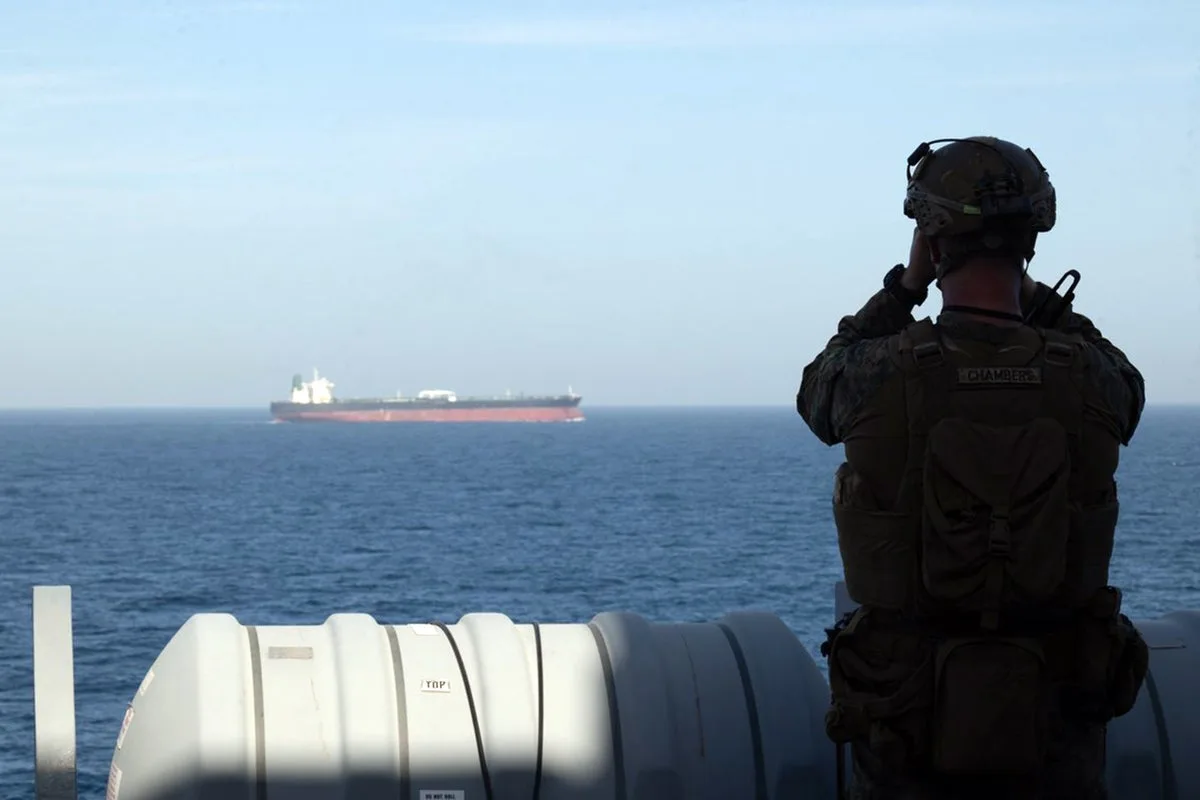
The U.S.-Israeli war with Iran has severely disrupted shipping through the Strait of Hormuz, with only three vessels passing the waterway in one 24-hour period, according to shipping data. The Strait, which handled roughly one-fifth of the world's oil and liquefied natural gas supply before the conflict began on February 28, is considered the world's most important oil chokepoint.
The International Energy Agency (IEA) has described the disruption as the largest on record, surpassing the oil shocks of the 1970s and the loss of Russian pipeline gas after Moscow's invasion of Ukraine combined. While more than a dozen tankers passed through after Iran briefly declared the Strait open on Friday, a ceasefire appeared in jeopardy on Tuesday as Iran vowed retaliation for the U.S. seizure of one of its vessels and refused to join new peace talks.
Several existing and potential alternative routes could bypass the Strait of Hormuz. Saudi Arabia's 1,200-km East-West pipeline can transport up to seven million barrels per day (bpd) of crude to the Red Sea port of Yanbu, with effective exports estimated at about 4.5 million bpd. From Yanbu, shipments can reach Europe via the Suez Canal or Asia via the Bab el-Mandeb strait, though the latter route carries security risks from Yemen's Houthi militants.
The Abu Dhabi Crude Oil Pipeline (ADCOP) runs from Abu Dhabi's Habshan fields to Fujairah on the Gulf of Oman, outside Hormuz. Operated by ADNOC and commissioned in 2012, the 360-km pipeline has a capacity of about 1.5 to 1.8 million bpd. However, oil loadings at Fujairah have been affected by drone attacks since the Iran war began.
Iraq's main northern export route runs from Kirkuk to Turkey's Mediterranean port of Ceyhan via the Kurdistan region. The pipeline restarted last September after a two-and-a-half-year shutdown, and on March 17, Iraq began pumping 170,000 bpd, with plans to reach 250,000 bpd. Iran may also utilise the Jask terminal, fed by the one million bpd Goreh-Jask pipeline, though construction is not fully complete.
Other proposed projects include a pipeline from Basra to Oman's port of Duqm, a pipeline from Basra to Jordan's Red Sea port of Aqaba, and a conceptual canal bypassing Hormuz. These remain at early stages or stalled due to cost, security, and political hurdles.




