

Tui Forced to Revise Profit Expectations Amid Middle East Conflict Fallout
Europe's premier holiday operator, Tui, has announced a significant reduction in its profit forecast for the current financial year, attributing the downturn to the escalating conflict in Iran. The travel group has incurred costs totalling €40 million (£34.7 million) as a direct consequence of the war, with the financial impact primarily stemming from extensive repatriation efforts and operational disruptions across the region.
Mass Repatriation and Operational Challenges
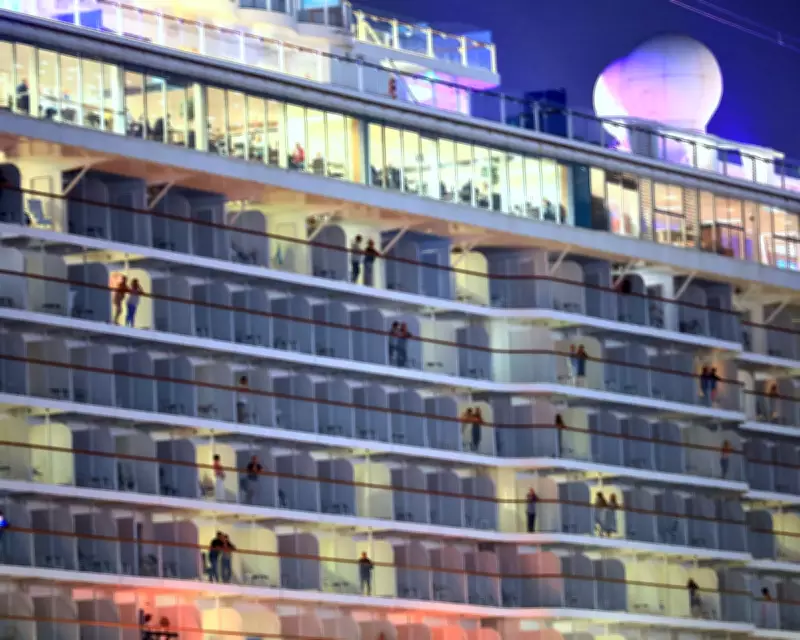
The company was compelled to bring home approximately 12,000 individuals, including holidaymakers and staff, from various locations in the Middle East. This included the evacuation of 5,000 guests from two cruise ships that were anchored in the ports of Abu Dhabi and Doha. Additionally, Tui repatriated a further 5,000 European travellers from destinations such as Turkey, Cyprus, and Egypt, areas that have been particularly severely affected by the geopolitical tensions.
In a strategic move, the firm also returned 1,500 crew members from the cruise vessels, which managed to navigate through the Strait of Hormuz during a temporary lull in hostilities. These ships are now scheduled to commence their summer itineraries in the Mediterranean from the middle of next month, marking a shift in operational focus.

Revised Financial Projections and Market Response
As a result of these disruptions, Tui has adjusted its profit forecast downwards from an initial €1.41 billion to a range between €1.1 billion and €1.4 billion. The company highlighted a noticeable decline in booking revenue and hotel occupancy, which have fallen by 7% compared to the previous year. This downturn is partly due to a partial shift in customer demand from eastern Mediterranean destinations to more accessible western Mediterranean locations.
Despite earlier reports of increasing demand for holidays in Spain, Portugal, Greece, and Cape Verde, Tui noted that travellers are now exhibiting increased caution, often booking closer to their departure dates. In response to the ongoing uncertainty, the company has suspended its revenue guidance until market conditions stabilise.
Broader Industry Implications and Fuel Concerns
The conflict has also triggered wider repercussions across the travel sector. Rising air fares, driven by increased fuel prices due to the war, contributed to a 4.7% rise in overall transport prices in the year to March, according to the UK's Office for National Statistics. This represents the fastest annual rate since December 2022.
In anticipation of higher costs and potential jet fuel shortages, airlines have begun lobbying the UK government for regulatory relaxations, including modifications to environmental and noise rules, as well as reductions in taxes on flying. Notably, Lufthansa has already cancelled 20,000 flights between May and October to conserve fuel, with daily reductions of about 120 flights from key hubs like Munich and Frankfurt.
The International Energy Agency has warned that Europe has only six weeks of jet fuel reserves remaining, suggesting that further flight cancellations could be imminent if oil supplies from the Middle East are not promptly restored.
Strategic Hedging and Future Outlook
Tui has implemented robust hedging strategies to mitigate some of the financial risks associated with the conflict. The company has secured 83% of its summer jet fuel requirements and 62% for the winter season against volatile oil prices. Furthermore, it has hedged over 80% of the energy costs for its cruise operations for the full financial year.
However, the firm's revised profit guidance is contingent on the assumption that there will be no material escalation in geopolitical tensions and that fuel supplies can be maintained. The ongoing conflict continues to limit near-term visibility and foster consumer caution, posing significant challenges for the travel industry as a whole.






