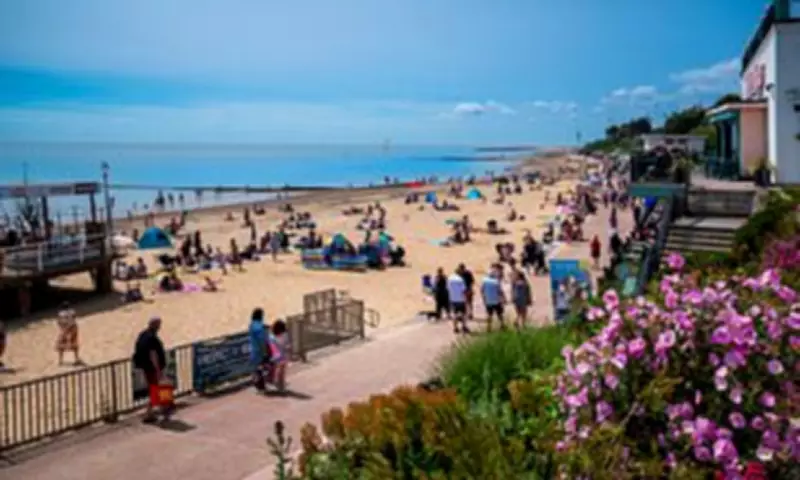
Tourism Tax Expansion Sparks Industry Backlash Across Britain
The proposed expansion of tourism taxes across the United Kingdom has encountered significant resistance from business leaders and hospitality executives. Under current government plans, city mayors and local town officials would gain authority to implement overnight levies targeting tourists staying at various accommodations including bed and breakfasts, hotels, hostels, and holiday rental properties.
Economic Concerns and Industry Opposition
The Confederation of British Industry (CBI) has voiced strong opposition to these proposals, with business owners warning that such tourism taxes could add approximately £500 million annually to the cost of UK holidays. Industry leaders argue this additional financial burden could trigger inflationary pressures across the tourism sector while creating challenging operational margins for businesses.
According to detailed analysis from UK Hospitality, a modest £2 per night tourism charge could increase a typical two-week family holiday by £100. Allen Simpson, Chief Executive Officer of UK Hospitality, emphasized this concern stating: 'The Government should keep relaxing, not taxing.'

Employment and Business Impact Warnings
Alice Jeffries, Head of Tax Policy at the CBI, highlighted broader economic implications, suggesting the proposed fees could create employment challenges within the tourism industry. She argued: 'The Government should be sending a clear message that Britain is open for business and tourist visitors alike - not making it harder for people to spend their time and money here.'
John Hendry Pickup, Chief Executive of Butlin's holiday parks, provided specific examples of how the tax would affect British families. He explained that Butlin's currently offers four-night breaks for families of four outside school holidays at approximately £49, but with a £2 per night tourism tax, this would represent a substantial 66 percent increase for budget-conscious holidaymakers.
Hendry Pickup emphasized: 'It feels at the moment that it's going to hit the people who can afford it the least, the most, and I don't think that's fair. This is essentially a UK tax on UK families going on UK holidays.'
Existing Precedents and European Comparisons
Manchester already operates a tourism levy where visitors pay £1 plus VAT per room per night. Across Europe, similar charges exist under various names including 'tourism taxes', 'city levies', and 'eco-fees'. Amsterdam implements one of Europe's highest visitor charges at 12.5 percent of hotel room costs, while Barcelona uses comparable taxes to manage overtourism challenges.
Hendry Pickup noted the UK tourism industry already faces higher taxation rates than other major European economies, questioning the purpose behind additional levies. He stated: 'I think it depends upon what the purpose is in the first place. If you look at what happens with that type of levy in different European countries, they use it for different purposes.'
Business Travel Implications
Andrew Clarke, Commercial Director for the Business Travel Association, revealed corporate concerns about the proposed charges. Using Aberdeen as an example, he explained that a seven percent tourism tax on 10,000 annual room nights at £150 per night would cost businesses approximately £105,000 yearly.
Clarke warned: 'That's quite a significant increase on a corporate business's travel budget. I think people will start to look at alternative options. Can I stay just outside the city centre and use taxis? What's the local transport situation like?'
Potential Revenue and Supportive Perspectives
Despite widespread opposition, some analyses suggest potential benefits from tourism taxes. Central London Forward (CLF), representing twelve central London boroughs, estimates that a three percent levy on hotel and short-term rental rooms could generate over £350 million annually for the capital. This exceeds previous forecasts of £240 million.

Individual borough projections indicate Westminster could raise more than £95 million, while Camden, Kensington and Chelsea, and Tower Hamlets might each generate over £20 million yearly. Supporters argue these funds could help areas benefit from tourism while providing mayors with additional resources for local infrastructure and transport investments.
Government Position and Industry Sustainability
A government spokesperson clarified that the exact design of any tourism tax 'has not been decided', emphasizing potential benefits for local communities and mayoral investment priorities. While Hendry Pickup acknowledged Butlin's business would remain sustainable despite the tax, he stressed it would create significant challenges for families seeking affordable holidays outside peak seasons.
The tourism tax debate continues as industry leaders call for reconsideration of proposals they believe could disproportionately impact British families and businesses while potentially discouraging domestic tourism during economically challenging times.