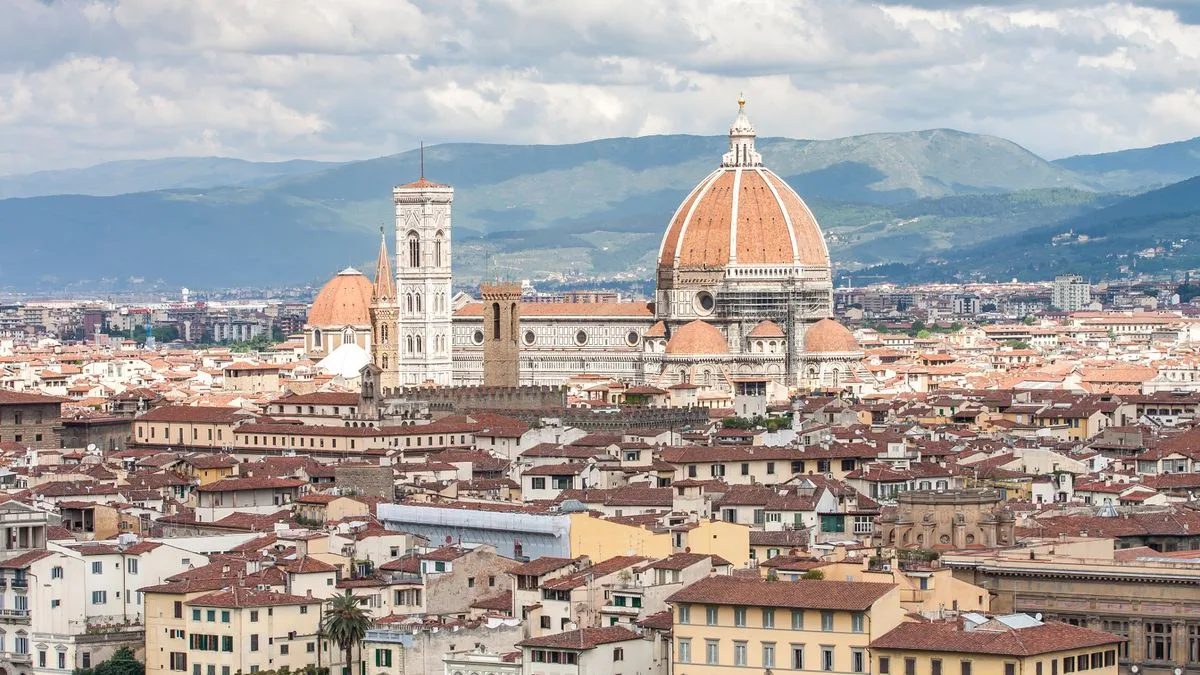
GuruWalk Reveals Top 100 Walkable Cities for 2026: Rome Crowned Champion
Top 100 Walkable Cities 2026: Rome Leads Global Ranking

Exploring a city on foot remains one of the greatest joys of international travel, a sentiment perfectly captured by the French verb 'flâner', meaning to wander aimlessly through urban landscapes. However, not all destinations are created equal when it comes to pedestrian accessibility. Some cities invite leisurely strolls between attractions, while others present sprawling layouts that challenge even the most determined walker.

GuruWalk's Definitive 2026 Ranking

Now, GuruWalk, the prominent platform for free walking tours and cultural activities, has unveiled its highly anticipated Best 100 Walking Cities ranking for 2026. This comprehensive list provides a detailed overview of the world's most popular and highest-rated urban destinations among travellers who prefer discovering cities on foot with expert local guides. The ranking is based on meticulous analysis of traveller behaviour from April 2025 to April 2026, combining both visitor volume and satisfaction scores from over 800 cities where the platform operates.

The Top Twenty Pedestrian Paradises

1. Rome, Italy - Italy's eternal capital claims the crown as 2026's most walkable city. Rome's compact historical centre allows visitors to easily explore iconic landmarks like the Colosseum, Trevi Fountain, and Pantheon within a single day. As one Tripadvisor reviewer noted: "We found Rome extremely walkable. I am a 52-year-old woman, not in the greatest of shapes and I had absolutely no problems."

Wide Pickt banner — collaborative shopping lists app for Telegram, phone mockup with grocery list

2. Madrid, Spain - Spain's vibrant capital secures second place with its remarkably accessible layout. Major attractions including Plaza Mayor, San Miguel Market, and the Royal Palace cluster within comfortable walking distance, while the expansive El Retiro park provides essential green space. A Reddit user enthusiastically declared: "Madrid is the most walkable big city I've ever been to."

3. Budapest, Hungary - This increasingly popular budget-friendly destination charms visitors with its picturesque streets and central thermal baths. The Pest side offers particularly excellent walkability, though the Buda hilltop district presents more challenging terrain.

4. Prague, Czech Republic - Welcoming over eight million annual visitors, Prague's historic attractions including Old Town Square and the Jewish District sit within 30 minutes' walk of each other, creating an ideal compact destination for cultural exploration.

5. Lisbon, Portugal - Portugal's hilly capital completes the top five with its compact city centre and riverside walking routes. While the famous slopes challenge some visitors, the downtown district and Tagus River pathway offer more level exploration opportunities.

6. Amsterdam, Netherlands - Though renowned as a cycling paradise, Amsterdam's canal-lined streets and efficient tram system make it equally appealing for pedestrians exploring its beautiful waterways and architecture.

7. Porto, Portugal - Portugal's second entry features the picturesque Ribeira district and world-famous Lello Bookshop within easy walking distance, though visitors should prepare for significant elevation changes.

8. Barcelona, Spain - This Mediterranean gem combines urban attractions with beach access in a compact 3.5km radius from the city centre, making it exceptionally navigable on foot.

9. London, UK - The British capital maintains its ninth position, offering diverse neighbourhoods and historical sites within walking distance. The United Kingdom places four cities in the top 100, including Edinburgh, Belfast, and Liverpool.

10. Berlin, Germany - Germany's historic capital rounds out the top ten with centrally located landmarks and abundant green spaces like Tiergarten park enhancing its pedestrian appeal.

Notable Contenders and Regional Highlights

Paris (11th) surprises with its walkable Seine riverside route connecting major attractions in approximately three hours. Seville (12th) offers flat, accessible exploration for most of the year, while Istanbul (13th) presents a mixed pedestrian experience with excellent walkability in historic districts.

Pickt after-article banner — collaborative shopping lists app with family illustration

Krakow (14th) features a highly walkable Old Town centred around its enormous Main Market Square, and Florence (15th) boasts pedestrian-friendly zones connecting major Renaissance attractions. Vienna (16th), recently crowned the world's most liveable city, offers superb walking conditions enhanced by efficient airport connections.

Spain demonstrates remarkable dominance with multiple entries including Toledo (17th), a UNESCO World Heritage site with well-signposted walking routes. Dublin (18th) provides compact accessibility between attractions like Temple Bar and Trinity College, while Dubrovnik (19th) features a completely pedestrianised Old Town.

Tokyo (20th) makes a significant leap from 36th position, with its district-based layout allowing manageable exploration of key areas despite the city's vast overall size.

Global Representation and Methodology

The complete top 100 list showcases impressive geographical diversity, featuring cities across six continents. Notable entries include New York (23rd), Buenos Aires (34th), Kyoto (35th), Hanoi (37th), and Singapore (70th). European destinations particularly dominate the upper rankings, reflecting centuries of pedestrian-oriented urban development.

GuruWalk's methodology selected 120 cities from their operating locations based on traveller preference, then analysed both visitor numbers and satisfaction ratings. The platform's fundamental premise holds that the strongest indicator of a city's walkability is that thousands of travellers already choose to explore it on foot with local guides.

This comprehensive ranking serves as an essential resource for travellers seeking destinations where cultural discovery happens naturally at walking pace, connecting visitors more intimately with urban environments through pedestrian exploration.