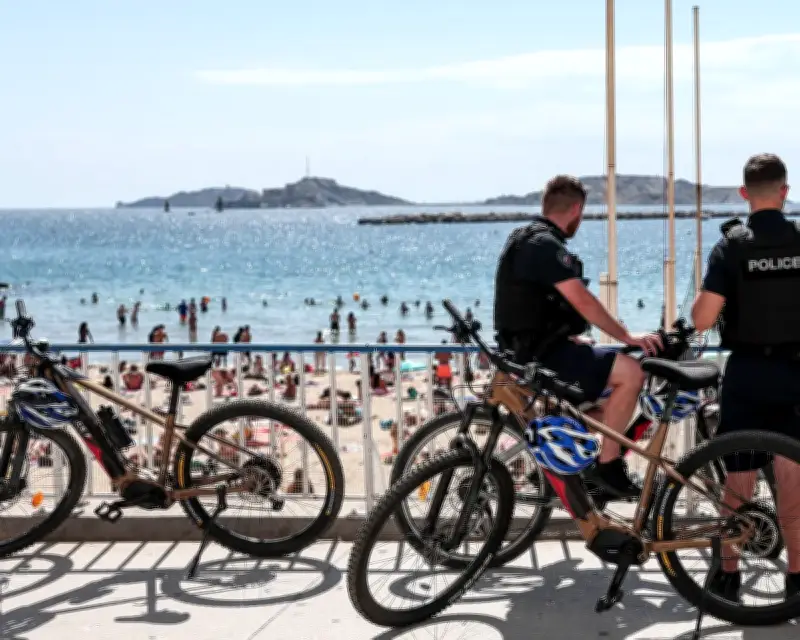
Marseille, once dismissed as France's maligned second city, has transformed into an Instagram magnet and is now being described as the country's new capital of overtourism. The southern port city has seen a dramatic surge in visitor numbers, with tourist footfall rising sharply in recent years.
From Second City to Tourist Magnet
The city's newfound popularity is attributed to a combination of factors, including its designation as a European Capital of Culture, the revival of its historic Vieux-Port, and a wave of social media attention that has turned its colorful streets and dramatic coastline into viral backdrops. What was once a gritty, working-class hub is now drawing crowds that rival those of Paris or the French Riviera.
Local residents have begun to voice concerns about the effects of this influx. The sheer volume of visitors has put pressure on public transport, pushed up rents in popular districts, and altered the character of neighborhoods that were previously untouched by mass tourism. Some residents complain that the city is becoming a theme park of itself, with daily life increasingly shaped by the needs of visitors rather than locals.

Residents Push Back
In response, grassroots movements have emerged, with some locals organizing to reclaim public spaces and call for measures to manage tourist flows. The debate echoes broader tensions across Europe, where cities like Barcelona, Venice, and Amsterdam have already grappled with the downsides of overtourism.
While tourism has brought economic benefits and international prestige to Marseille, the city now faces the challenge of balancing its newfound appeal with the preservation of its identity and the well-being of its inhabitants. As one resident put it, "We want visitors to enjoy our city, but we also want to live here, not just host."
The situation in Marseille serves as a cautionary tale for other cities that aspire to boost their tourist appeal, highlighting the need for sustainable strategies that consider the long-term impact on local communities.