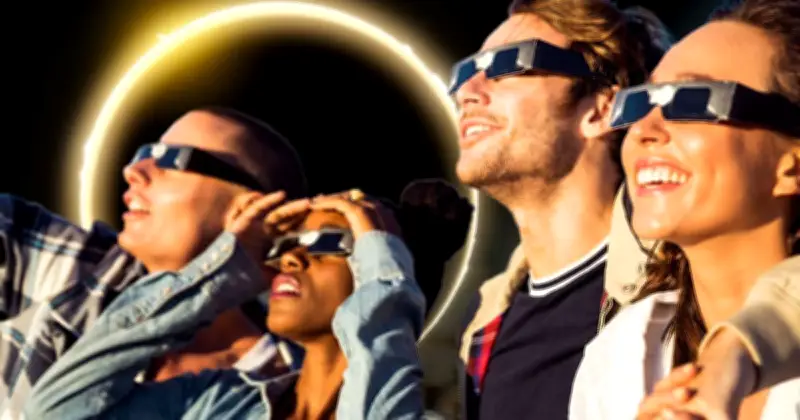
Majorca is bracing for unprecedented high-summer chaos ahead of Wednesday’s total solar eclipse, prompting travel experts to warn that the rare celestial event will funnel millions of tourists into the same coastal bottlenecks. The Balearic Island, which welcomed a record 13 million visitors last year, is already struggling under the weight of mass tourism. However, as Wednesday, August 12, approaches, the first total solar eclipse visible over Majorca since 1905 is threatening to push the island’s infrastructure beyond capacity.
Anti-overtourism tensions high
Tensions are already running high across Spain's holiday hotspot during the peak summer holidays for British tourists. Just a few weeks ago, an anti-overtourism protest organised by Menys Turisme, Més Vida (Less Tourism, More Life) in the capital, Palma, ended in violent clashes with police firing rubber bullets. Now, locals fear the eclipse will trigger complete gridlock.
The UNESCO-protected Serra de Tramuntana mountain range on the west coast is expected to draw the heaviest crowds. Local authorities have announced strict access controls on the main mountain roads, allowing only residents, essential service providers, and registered hotel guests to pass. Local reports indicate that Spanish military personnel could even be deployed to assist police with crowd control.
Travel expert warns of unique pressure
Speaking to the Express, Alexandra Dubakova, travel expert and CMO at FreeTour.com, warned that, unlike standard high-season influxes, the eclipse presents a unique operational nightmare. "The eclipse will force people to gather at the same places at the same time," she explained. "People who would otherwise spread their visits to different sights and restaurants will be in a west-facing direction or along the coast."
"Restaurants located in Puerto Sóller, Sant Elm, Port d’Andratx, in Malgrats and El Toro areas with outdoor terraces and a clear view are probably fully booked since the view has become an important part of their product."
The rush isn't confined to land, either. "The demand for cruises is a good example of how many people want a comfortable place to watch the eclipse," Ms Dubakova added. "The excursions by boat have limited capacity, and some cruise operators organised special itineraries to accommodate the eclipse. Some even offer ship positioning for travellers to watch the eclipse from the sea."
Cruise lines and local strain
TUI’s UK cruise line, Marella Cruises, revamped its summer itineraries for eclipse-chasers, launching a bespoke voyage aboard the Marella Discovery 2. Setting sail from Palma on Tuesday on a newly tailored 'Cosmopolitan Charms' route, the ship will be positioned at sea off Palamos for the main event before continuing to Corsica, Rome, Amalfi and Sicily.
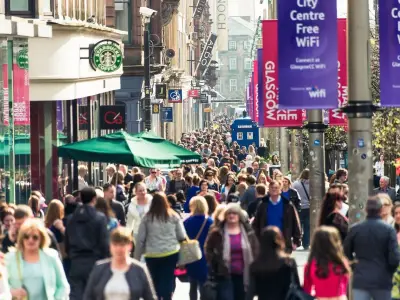
However, with thousands of cruise passengers embarking and disembarking at Palma, local transport networks face an even heavier strain. During peak August, Majorca's 971,000-strong resident population swells to roughly 1.5 million people. On interurban TIB routes connecting Palma to western viewing spots, non-residents and tourists already account for nearly a third of all passengers.
Local businesses and officials concerned
Despite official measures, local business owners and residents have said preparations have been chaotic. According to local media, Joe Holles, manager at the historic Sonmo estate in the Tramuntana, noted that official guidance on crowd control has been "patchy at best." Meanwhile, Grace Berrow, co-founder of the popular restaurant Campo in Port de Sóller, admitted she remains unsure whether to keep her doors open at all, given the strict traffic restrictions and rumours that offshore viewing boats will be forced to stay three miles out to sea.
Local astronomer Pep Marcús, speaking during island safety lectures, stressed that when the last eclipse took place in 1905, motorcars were only just arriving on the island. Today, narrow mountain passes are routinely jammed with rental cars during peak season, creating anxiety among residents as the "Trío de Eclipses" - the first of three solar events hitting Spain over the next 18 months - begins.
To make matters worse, organisers warn that weather or lingering wildfire smoke could ruin the multi-million-pound spectacle. "Everybody thinks that the sun is going to set like in the movies. But let’s see," Mr Marcús said, reported Air Mail. "We cannot fight this. We just have to hope for the best."