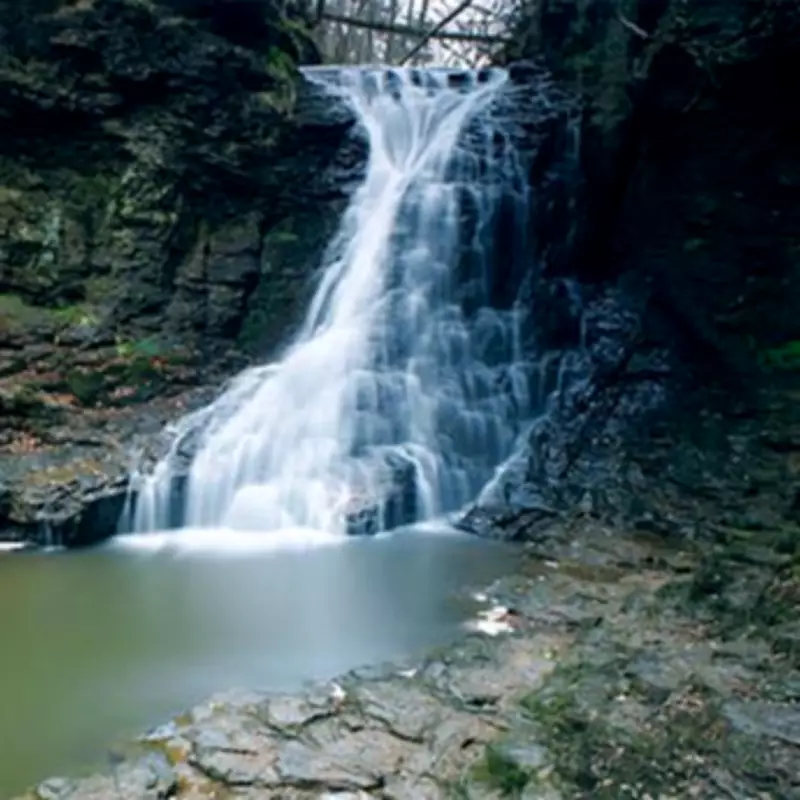
Discover Hareshaw Linn: A Historic Waterfall Walk Through Ancient Woodland
This enchanting 40-minute walk through Northumberland National Park weaves through six historic bridges, ancient woodland, and culminates at the spectacular Hareshaw Linn waterfall. The three-mile journey offers a moderately challenging yet family-friendly experience, with brief ascents, steps, and some rough terrain that requires robust footwear, especially in wet conditions.
The Waterfall Experience
Even before reaching Hareshaw Linn, the rushing water signals its presence, as the trees part to reveal a dazzling cascade of white. The stone pool beneath the waterfall provides an excellent spot for wild swimming during warm summer months or year-round for the more adventurous. Visitors have praised the location, with one TripAdvisor reviewer noting, "Wow! Amazing place – much better than I imagined. Lovely views of the woodland and river, then you're met by a lovely waterfall. Well worth a visit."
Rich Wildlife and Natural Heritage
As a designated Site of Special Scientific Interest (SSSI), the route boasts an abundance of wildlife, including an impressive 300 species of mosses, liverworts, and lichens within a compact zone. Ramblers might spot squirrels and even bats with careful timing. The ancient woodland features oak, hazel, elm, and ash trees, adding to the area's natural charm.

Ironworking History Along the Trail
The trail begins at the Northumberland National Park car park in Bellingham, an area with a rich ironworking heritage. Hareshaw Ironworks opened in 1939, producing pig iron from coal, limestone, and iron ore. Along the footpath, you'll encounter:
- Mounds formed from remnants of 70 ironworks ovens that supplied raw materials to furnaces.
- The charming stone terrace of Foundry Farm, once home to foundry managers overseeing metal casting works.
- Spoil heaps from furnaces, used to create stone for local miners' cottages, and sealed mining entrances.
Victorian Influences and Scenic Bridges
The walk features six bridges, each with historical significance. At the waterfall's summit, a bridge leads to Cupid's Bower seat with views over the stream. The second bridge passes two disused mine shafts, while the third and fourth bridges are flanked by towering Douglas firs planted during Victorian times. The fourth and fifth bridges once hosted a bandstand for picnics, musical performances, and storytelling, reflecting the Victorian era's impact on the landscape.
This walk not only offers breathtaking natural beauty but also a deep dive into the region's industrial past, making it a must-visit for history buffs and nature lovers alike.