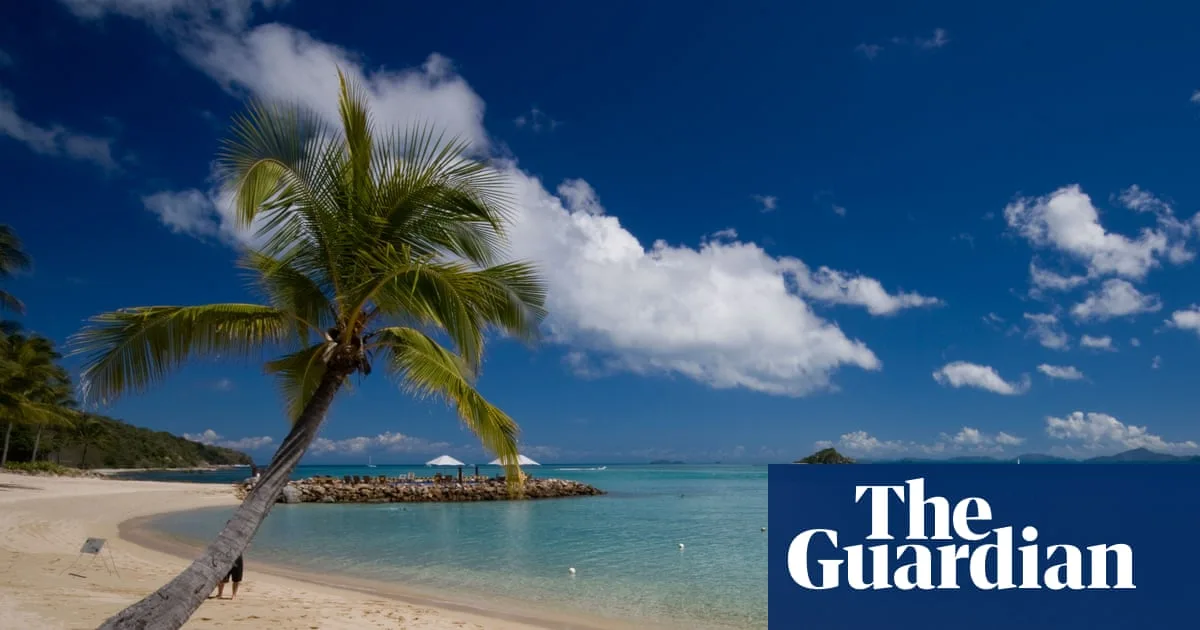
At least six Great Barrier Reef island resorts lie abandoned, damaged by extreme weather and economic pressures, raising questions about their future. Brampton Island, once a tourism jewel, now stands dilapidated after Cyclone Yasi struck in 2011. Its current lessee, United Petroleum, proposed a seven-star redevelopment in 2015 but has yet to begin work, prompting the Queensland government to take legal action to force restoration or sale.
The challenges extend beyond cyclones. Rising costs of diesel and insurance, driven by the climate crisis, along with competition from cheaper Asian destinations and cruises, have deterred investment. A state parliamentary inquiry also noted investors 'land banking' resorts without operating them. Most resorts are built on state-owned land leased to operators, complicating redevelopment efforts.
Keswick Island, just south of Brampton, exemplifies stalled development. A resort approved in 1996 remains unbuilt, with only 23 houses constructed and no shops or facilities. Residents, mostly retirees, rely on small boats or planes for access. Some, like semi-retired orthopaedic surgeon Kerry Outerbridge, appreciate the seclusion, but the government seeks to prevent future languishing projects.
Successful models exist, such as Hamilton Island, which boasts a commercial airport, permanent population of 1,500, and luxury amenities. It sold to a US private equity firm for $1.2bn in December. Further north, Lizard Island hosts a research station and a high-end resort owned by Australia's third richest person, showing potential for viable operations.
Tourism Queensland has launched a campaign to attract domestic visitors amid international travel disruptions, highlighting the reef's natural beauty. However, the future of many island resorts remains uncertain, with advocates calling for a lighter environmental footprint rather than restoring past glory.