

When most travellers think of Morocco, they picture Marrakech. It has long been the country's main travel hub, well connected, easy to navigate, and known for its lively souks, rooftop restaurants, and luxury riads. But that popularity comes at a cost: it can feel crowded, fast-paced, and increasingly shaped around tourism.
Fez offers something quieter, but no less compelling. As Rosanna Cole found during a recent late winter trip to the gorgeous city, located in northern inland Morocco. Fez (or Fes) is the country's oldest imperial city, founded in 808 AD. Often referred to as Morocco's cultural and spiritual heart, it has also been dubbed the “Athens of Africa”—a lofty comparison, but one that starts to ring true as you move through its dense network of winding streets, past royal palaces, centuries-old mosques, and intricately decorated madrasas, where scholarship, craftsmanship, and tradition remain part of everyday life.
It wasn't just the sights, but the pace. There was space to take things in, with more local life visible and residents often outnumbering tourists in parts of the medina. It's starting to get the recognition it deserves. Recently named on Condé Nast Traveller's list of 'Best Places to Go in 2026', Fez is quietly moving onto more travellers' radars. And right now, it remains remarkably accessible. With return flights from London dipping as low as £30, it's one of those rare destinations that feels both far-flung and entirely within reach.

If you're looking for somewhere rich in culture without the intensity of bigger tourist hotspots, Fez feels like the place to go before everyone else catches on. Here are the best things to do in Fez, Morocco.
Explore Fes el Bali: inside the world's largest medina
To understand Fez, start in Fes el Bali, the old city. This UNESCO-listed medina is the largest in the world, and stepping into it feels like the city operates at a completely different pace. There are no cars, just a dense network of narrow streets where daily life plays out. You'll pass stalls stacked with colourful spices, bakeries turning out trays of traditional sweets and baked goods, baskets of fresh dates and olives, and workshops where artisans shape wood, hammer metal, weave textiles, and paint ceramics using traditional techniques. Displays line doorways and narrow passageways, extending right up to the edges of the streets.
There's a steady undercurrent of activity, but it's not overwhelming. While wandering is part of the experience, it's easy to lose your sense of direction. That's why I opted for a small-group walking tour booked via GetYourGuide, which gave an insightful introduction to the city. It lasted three and a half hours and cost just £10. We stopped at landmarks including the Nejjarine Fountain, known for its detailed zellige tilework and carved cedarwood, and the Chouara Tannery, where leather is still dyed in large stone vats using traditional methods. There was also the University of al-Qarawiyyin, founded in 859 AD and widely recognised as the world's oldest university.
Having a knowledgeable guide changed the experience entirely. There's history to uncover at every turn, alongside the rhythms of daily life unfolding around you. What lingers isn't just the landmarks, but the sense of being in a living, working city where tradition continues as part of everyday life.
Stay in a riad in Fez for a traditional Moroccan experience
Accommodation in Fez offers its own immersion into the city's heritage. The riad—traditional Moroccan houses built around an interior courtyard—is a defining feature and an extension of the city's architectural language. There are options across all budgets. I stayed at La Maison Bleue, just beyond the edge of the medina. Inside, it opens into a central courtyard anchored by a vivid blue pool, framed by palm and mandarin trees. The space is detailed with patterned zellige tilework, intricately carved plasterwork, and wooden arches, all reflecting traditional Moroccan design.

The rooms continue that style, with geometric floors, antique furnishings, and individually styled interiors. From my window overlooking the courtyard, I could hear the soft movement of water, a stark contrast to the medina's hum just beyond the walls. One thing to be aware of: Riads are designed to stay cool in hot weather. Visiting in February, I found the interiors cooler than expected, a reminder that these buildings are best experienced in the milder warmth of spring or autumn.
Where to eat in Fez: try Fassi cuisine and a local cooking class
Moroccan food is known for its bold flavours, and Fez is particularly associated with Fassi cuisine, often considered one of the country's most refined culinary traditions. For a restaurant experience, L'Amandier, set within Palais Faraj, a restored palace now operating as a luxury hotel, offers a standout vantage point over the city. From the terrace, rooftops stretch across the skyline, catching the evening light as the call to prayer carries across the skyline. The menu blends Moroccan and Mediterranean influences, with dishes such as seafood, delicately spiced tagines, and seasonal vegetable dishes. There's also a strong selection of Moroccan wines—I paired a sauvignon blanc with mixed skewers grilled with local spices.
But the most memorable food experience of the trip was outside of a restaurant. Through GetYourGuide, I booked a cooking class hosted by Mohammed and Jessica at Dar Sunrise, their home within the medina. We began by visiting a nearby souk to pick up fresh ingredients before heading back to cook. The tone was set early, when we were encouraged to “destroy the kitchen to make beautiful food.” Music played, conversations flowed, and laughter came easily, with a bit of dancing along the way. Everyone got involved, chopping, grating, mixing, stirring, and tasting as we went, and at one point we were told to kiss the salt before seasoning—a playful ritual to ensure the food would be delicious.
The result was a table filled with aromatic dishes, including tagines, vibrant salads, and, most notably, pastilla. This traditional Fassi dish is made with layers of flaky pastry, filled with spiced chicken and almonds, then finished with thick drizzles of honey. We left with full bellies and a real sense of being welcomed into someone's home. It's the kind of experience you don't get in a restaurant, and you're provided with the recipes so you can recreate it at home.
Discover Fez's traditional crafts: pottery and zellige workshops
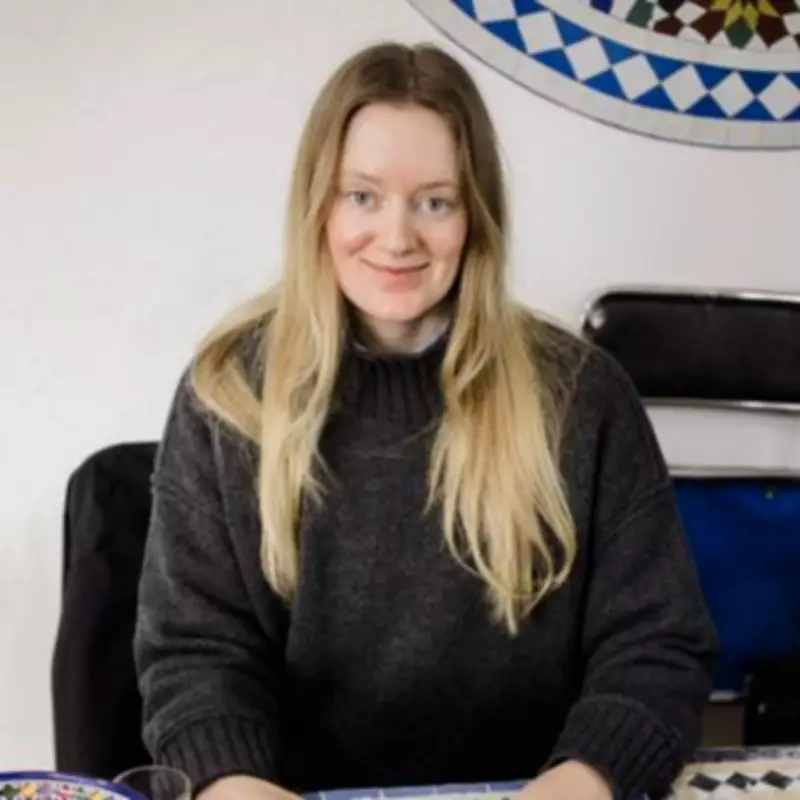
Fez is a city defined by its artisans, particularly pottery and zellige tilework. These colourful mosaic tiles, found throughout the city, have long been central to its identity, with techniques passed down through generations. After seeing so much of this craftsmanship across the medina and in riads, I joined a workshop at a local atelier to understand how it's made. The session began with a tour explaining the techniques and cultural heritage behind the craft, followed by the chance to watch artisans at work, each piece carefully shaped and assembled by hand.
The process of creating our own mosaic tile was surprisingly intricate, more like piecing together a detailed puzzle. It demanded patience and focus, giving me a new appreciation for the scale and intricacy of the work seen across the city. My piece now sits in my kitchen, a reminder not just of Fez, but of the hands and histories behind its beauty.
Day trips from Fez: visit Chefchaouen and beyond
If you're staying in Fez for more than a few days, the city also serves as a strong base for exploring northern Morocco's landscapes. Chefchaouen, often referred to as the “Blue Pearl,” sits just under four hours away in the Rif Mountains. Its streets are painted in varying shades of blue, giving the town a jewel-like appearance against the surrounding landscape. While I didn't make the trip this time, it's one of the most recommended places to visit from Fez, and firmly on my list for a return visit. Other options include the Middle Atlas Mountains, known for cedar forests and cooler air, or longer trips towards the Sahara Desert.
When is the best time to visit Fez, Morocco?
Spring (March to June) and autumn (September to October) are widely considered the best times to visit Fez, with temperatures typically ranging between 18°C and 28°C. These months offer warm, comfortable conditions for exploring, without the extremes of summer heat or winter chill. Now is a great time to book a last-minute getaway or plan a trip for later this year.
Is Fez worth visiting in 2026?
Fez might not have the same global reputation as Marrakech, but that's exactly why now is the time to go. It offers the same depth of culture, history, and atmosphere, but in a way that feels less crowded, less commercial, and more connected to everyday life. Experiences—whether booked through platforms like GetYourGuide or discovered independently—feel grounded, personal, and real. With low-cost flights, growing recognition, and plenty to see and do, Fez is unlikely to stay under the radar for long.
Book it
Ryanair flights cost from £30 return. Rooms at La Maison Bleue start from around £100 a night. Get Your Guide offers tours around Fez and its various attractions.





