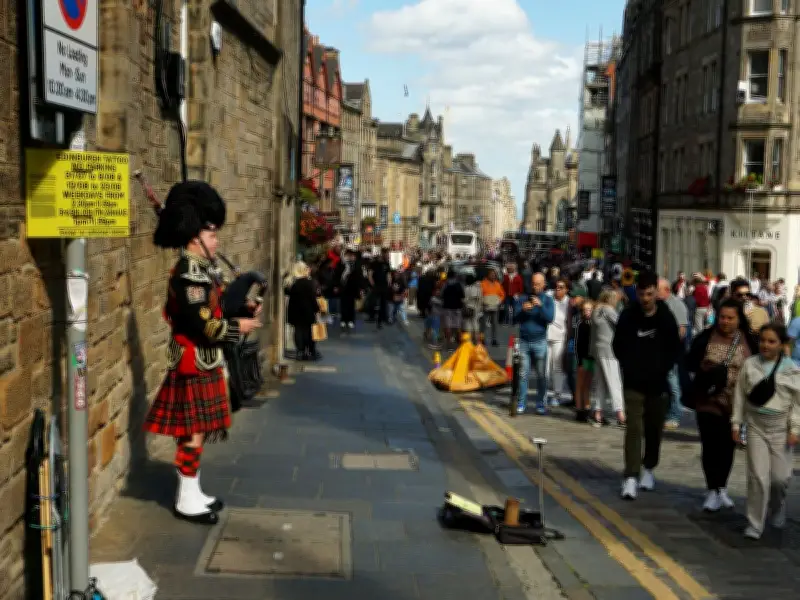
Visitors staying overnight in Edinburgh now pay an extra charge on their accommodation after Scotland's first tourist tax officially came into force on July 24. The capital is the first place in the country to introduce a visitor levy, following the Scottish Government's Visitor Levy (Scotland) Act 2024, which gave local authorities the power to impose such a tax. Edinburgh City Council approved the levy last year.
How much does the tourist tax cost?
The council estimates the charge will generate around £50 million every year, with the money reinvested in the city through affordable housing, cultural initiatives, and improvements to public services. Visitors booking eligible overnight accommodation now pay an additional five per cent on top of the cost of their stay. This applies to international visitors, UK citizens, and Scottish people visiting from elsewhere in the country.
The levy is charged at a flat rate of five per cent on eligible accommodation bookings and is collected by hotels and other accommodations before being passed on to the council. Visitors only pay the charge on the first five consecutive nights of their stay. For example, someone booking a hotel room costing £100 per night for five nights, with a total bill of £500, will pay £525 once the levy is added. A guest staying for 10 nights in the same room would pay £1,025 rather than £1,050, as the additional charge is capped after the fifth night.
When and where does the tax apply?
The tax applies throughout the year and does not increase during peak tourist periods, including the city's Fringe Festival, Art Festival, Edinburgh International Festival, Book Festival, Film Festival and Royal Military Tattoo in August. The levy covers a wide range of accommodation, including hotels, bed and breakfasts, guest houses, hostels, self-catering apartments, holiday lets such as Airbnbs, aparthotels, caravan and camping sites, as well as houseboats or barges permanently moored in one location. It also applies to student accommodation when used by visitors during the summer period rather than students.
Who is exempt?
Some people are exempt from paying the charge, including those living in emergency homelessness accommodation, people fleeing domestic abuse or other forms of violence, anyone temporarily rehoused because their home is uninhabitable, asylum seekers, refugees, and some people receiving disability-related benefits. Those eligible for an exemption may initially pay the levy but can reclaim the money afterwards.
Edinburgh is the first council in Scotland to introduce a visitor levy, although other local authorities now have the power to follow suit.