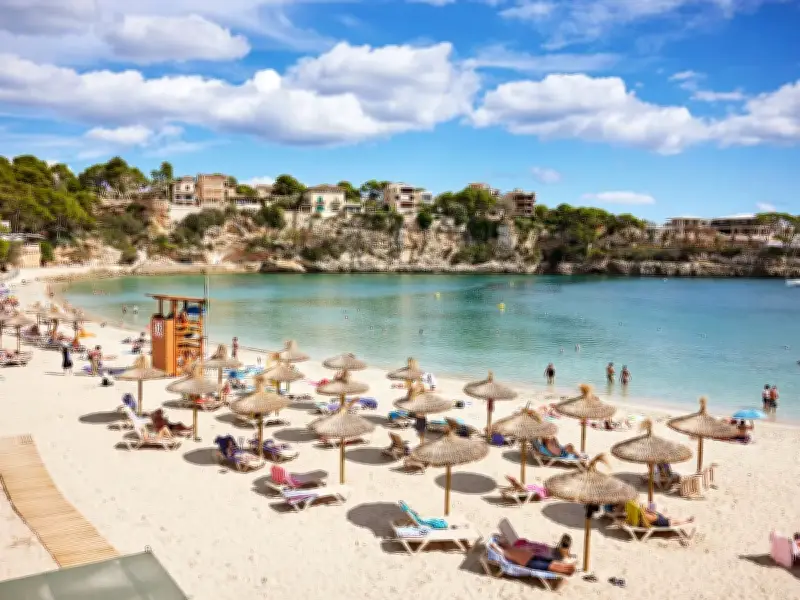
The Balearic Islands have recorded their best low season in history, with 1.9 million visitors arriving between November 2025 and March 2026, including a significant surge in British holidaymakers.
Data presented at the World Travel Market showed that 150,281 UK visitors travelled to the islands during that five-month period, a 65.9 per cent increase compared with the same timeframe in 2022. The figures come as more than two million British tourists visit the Spanish archipelago each year.
Peak season overcrowding drives change
During the peak summer months of June to August, 8.95 million international arrivals descended on Majorca, Menorca, Ibiza, or Formentera, representing a 1.1 per cent increase. However, parts of the islands can feel largely overcrowded during this period, with prices for flights and accommodation rising and temperatures reaching up to 40C.
Marga Prohens, president of the Balearic Islands, said at the World Travel Market: "More and more visitors choose to discover our islands outside the peak season months." She described the British market as "fundamental" for the Balearics, adding that with growth remaining "in check during peak season", the destination is eager to attract visitors outside the summer months.
Economic benefits of winter tourism
Jaume Bauzà, the Balearic Islands minister for tourism, culture and sport, said the record number of winter visitors was helping to support the local economy. He said: "Behind this winter record are towns with light and life all year round, more stable jobs, and families who no longer face unemployment every autumn."
The islands enjoy a mild year-round climate, with temperatures reaching up to 28C in September, 25C in October, and around 16C in December. Flights from London Stansted to Palma in Mallorca start from £15 one-way in November or December, while fares to Menorca from London Gatwick start from £29 in November or £32 in December. Flights to Ibiza outside peak season require a stopover in Alicante, and access to Formentera requires a ferry.