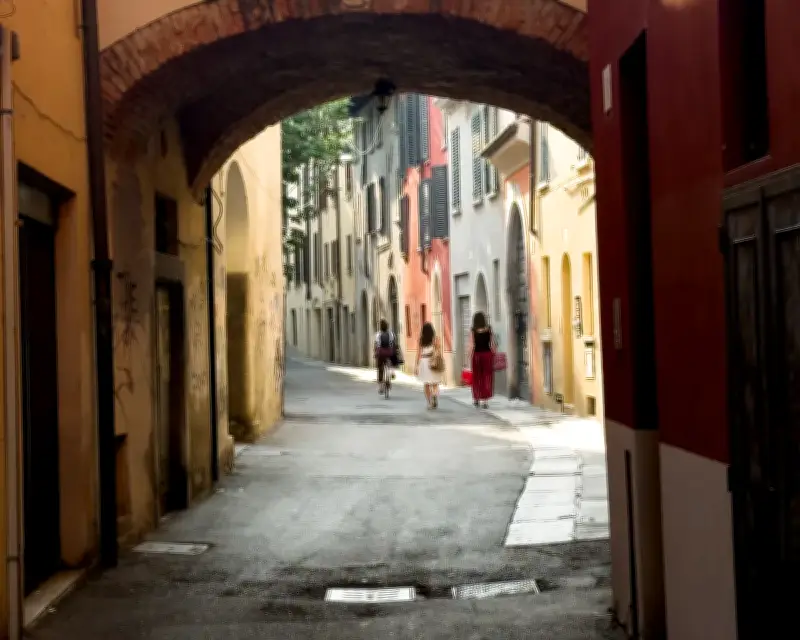
Brescia, a city near the Dolomites and Lake Garda, is often overlooked by tourists heading to Milan or Verona. But its residents are determined to change that, insisting it offers everything one could want from Italy in one place.
A City of Hidden Quarters and Local Pride
Elena, a local guide, leads visitors through the Carmine district, once a place children were warned against. Now it is a vibrant area of bars and restaurants, with a bohemian atmosphere. Andrea, manager of the bar i Dù dela Contrada, notes the transformation: “Twenty years ago, this was an area for prostitutes and thieves. Now it’s safer but still vibrant, and growing.”
From there, encounters with locals like Piera at Osteria dei Mercanti reveal the city's charm. Piera, who arrived 17 years ago and decided to stay, praises the local Franciacorta wine region. She sends visitors to meet friends, leading to a day of discoveries, including the medieval Piazza della Loggia with its famous clock tower.

Historical Depths and Culinary Delights
The city's history spans from Roman times to the present. Piazza Vittoria, remodelled under Mussolini in 1932, contrasts with the medieval square. A small pillar in Piazza della Loggia marks a 1974 bombing that killed eight people, a reminder of the “years of lead.” Hundreds of pavement plaques leading to the castle honour victims of that era.
Brescia also boasts the Teatro Grande, founded in the 1660s, and the Chiesa di San Cristo, known as the “Sistine Chapel of Brescia” for its murals. Local cuisine is celebrated at Osteria del Savio, where dishes like casoncelli and malfatti are served. The city's Roman heritage is visible at an archaeological site where the Winged Victory statue was found.
Beyond the City: Franciacorta and Lake Iseo
The Franciacorta wine district, south of Lake Iseo, produces sparkling wine that locals mostly keep for themselves. A short drive leads to Sulzano, where a ferry crosses to Monte Isola, an island known for its fishing net factory that supplies nets for Serie A football. The Archetti boatyard, where handmade wooden boats are crafted, continues a tradition dating back to gondola-makers from Venice who settled in 1640.
Brescia's combination of history, culture, food, and wine makes a compelling case for a stop, as its proud inhabitants insist.