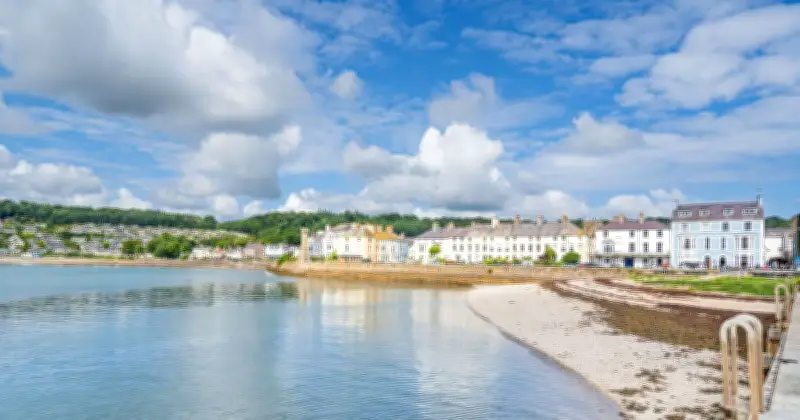
Plans for a tourist tax in Anglesey have been scrapped following a consultation in which the majority of businesses, visitors, and residents opposed the levy. The island, off the coast of Wales, had been considering charging visitors for overnight stays.
Consultation shows overwhelming opposition
The proposed tax would have charged Anglesey's one million annual visitors £1.30 per night for hotel stays and 75p for shared accommodation such as campsites. However, 83% of businesses on the island rejected the plans, raising concerns about the impact on those dependent on the seasonal tourist trade and competition with other resorts without a holiday tax.
In the consultation, 84% of visitors opposed the plans, with 60% saying they would stay for a shorter period if the tax was imposed, while 66% would consider booking a different destination. Meanwhile, 58% of Anglesey residents were opposed to the plans.
Economic impact and calls to scrap the tax
Tourism generates around £360 million a year for Anglesey's economy, which includes the towns Holyhead, Beaumaris, Llangefni, Amlwch, and Menai Bridge. Around one in five jobs on the island are supported by tourism. According to the TaxPayers' Alliance, Anglesey would lose around 45,000 visitors every year if the tax was enforced, resulting in a £14 million drop in spending.
Benjamin Elks, of the TaxPayers' Alliance, said: "The rejection of this levy should be a stark warning to ministers considering similar taxes in England. Tourism taxes risk driving visitors away and piling more costs onto hospitality businesses. Ministers should stop inventing new taxes and focus on helping the sector grow."
Industry and government response
Allen Simpson, CEO of UK Hospitality, said: "The holiday tax is deeply unpopular with both businesses and visitors. Any council looking to press ahead with a holiday tax shouldn’t be shocked by the opposition they encounter. The strength of feeling in Wales reflects our wider polling, which consistently shows how unpopular this tax is. During a cost-of-living crisis, the Government should be looking to make family breaks more affordable, not introducing new costs. It should listen to the public's concerns and scrap the holiday tax."
The Prime Minister recently confirmed a new plan that grants regional mayors the power to implement a tourist tax on overnight accommodation. The cash, which will be retained locally, is argued to allow mayors to plug funding gaps, maintain infrastructure, and support tourism. A Welsh government spokesman said: "It is for local authorities to decide if they want to introduce a levy in their area following consultation with their communities."