

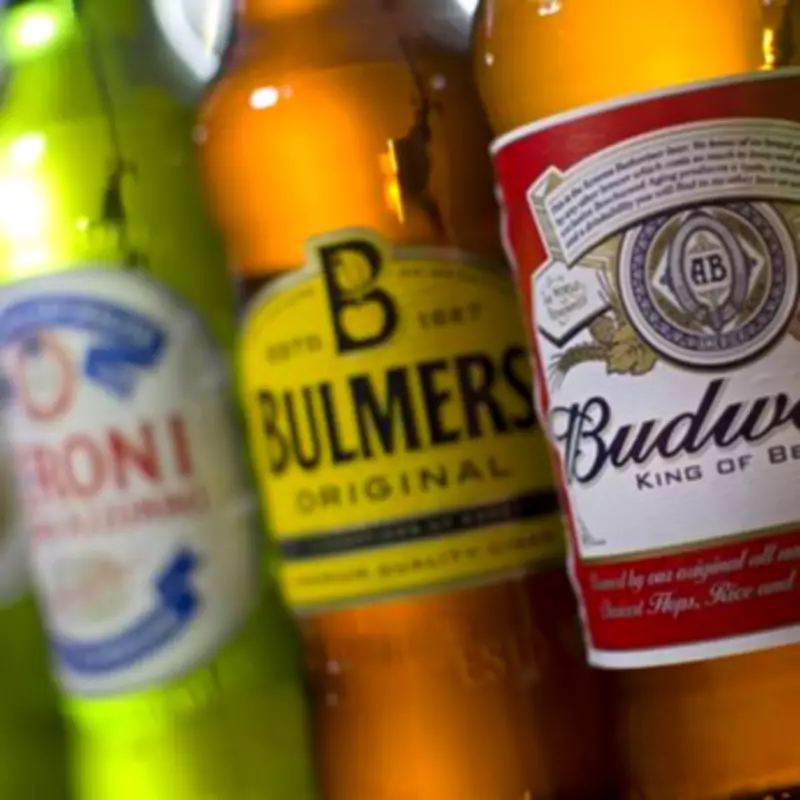
People are only just realising why beer bottles are brown or green, and it's not just about branding. The colour of a beer bottle plays a crucial role in preserving the taste of the beer inside. From deep amber to dark green, tinted glass is actually doing a very important job, and without it, your beer could taste completely different.
The Science Behind Bottle Colours
The surprising reason behind the colour comes down to how beer reacts to light. Hops, the ingredient responsible for much of beer's flavour and aroma, are highly sensitive to UV and blue light. When exposed, they begin to break down and form new compounds that can give beer an unpleasant, slightly 'skunky' smell. It's the kind of off-note many people have experienced without quite knowing why.
Rowland King, Managing Director of glass bottle supplier Quality Bottles, explains: 'People are often surprised to learn that something as simple as light can have such a noticeable impact on flavour. It's not about the beer going off in the traditional sense; it's a chemical reaction that can happen relatively quickly under the wrong conditions.'

How Different Glass Colours Compare
To prevent this, most beers are sold in darker bottles, particularly amber glass, which helps block out the wavelengths of light that trigger the reaction. Green bottles offer some protection, but not as much, while clear glass leaves beer almost completely exposed.
Rowland says: 'The darker the glass, the more protection it provides. Amber bottles are especially effective at filtering out the types of light that cause these flavour changes, which is why they've become the industry standard.'
Despite this, you'll still find beers sold in clear or lighter glass, often because it looks more appealing on the shelf or shows off the colour of the drink. However, there's usually more going on behind the scenes. Rowland adds: 'In cases where lighter bottles are used, brewers often have to adapt. That might mean altering the recipe slightly or relying on stricter storage conditions to reduce exposure to light. It's a different approach, but it comes with trade-offs.'
Impact on Taste and Storage
This also explains why the same beer can taste slightly different depending on where and how it's been stored. A bottle sitting in direct sunlight, whether that's in a shop window or at a summer barbecue, is far more likely to develop those off flavours than one kept in a cool, shaded place.
Rowland says: 'It's one of those small details that makes a big difference. Once people become aware of it, they start to notice how packaging and storage play a role in the overall drinking experience.'
While it might seem like a minor detail, the colour of your beer bottle is quietly working in the background to protect what's inside. And now that more people are catching on, it's changing the way we think about something as simple as grabbing a drink from the fridge.






