

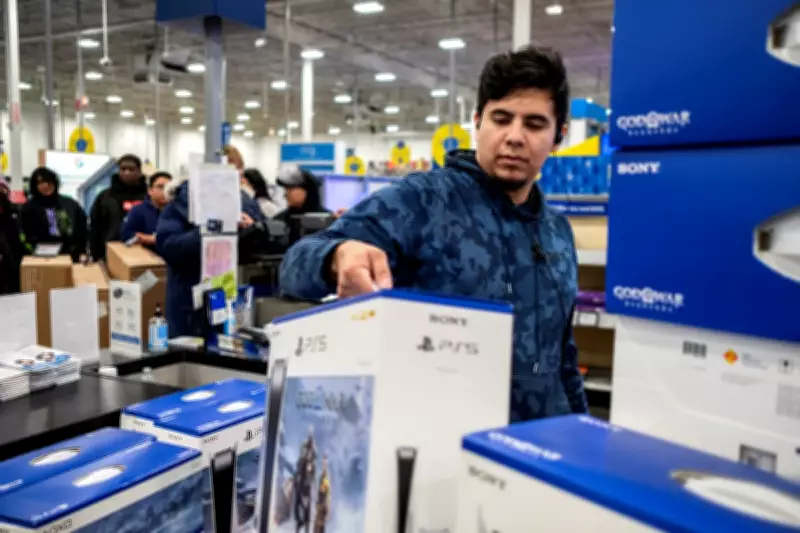
Sony has announced a significant price increase for its PlayStation 5 consoles worldwide, including a $100 hike in the United States, effective from 2 April. This marks the second such adjustment in less than a year, as the company contends with escalating costs for essential components like memory chips, driven by industry-wide pressures.
Global Price Adjustments and Market Impact
The updated pricing will see the standard PS5 model rise to $649.99 from $549.99, while the digital edition will now cost $599.99. The high-end PS5 Pro is set at $899.99, and the PlayStation Portal remote player will increase to $249.99 from $199.99. Similar increases are planned for Europe and Japan, following what Sony described as a "careful evaluation" of mounting cost pressures in global supply chains.
AI and Geopolitical Factors Driving Costs
The tech industry's intense focus on building artificial intelligence infrastructure has led memory manufacturers to prioritize higher-margin datacenter chips, reducing supply for consumer electronics such as gaming consoles. This shift has tightened availability and driven up prices for components critical to devices like the PS5.

Additionally, geopolitical tensions have exacerbated supply chain issues. Iran's recent attack on Qatar's natural gas export facility forced a shutdown, threatening helium supplies—a vital element in semiconductor manufacturing. Qatar accounts for approximately one-third of the world's helium, according to the US Geological Survey, and the shutdown is expected to cut helium exports by 14%, as reported by Qatar's state-owned gas company.
While helium is commonly associated with party balloons, it is indispensable for producing semiconductors used in computers and various tech devices. Analysts warn that prolonged conflicts could further inflate prices, adding to the cost burdens faced by electronics makers.
Market Reactions and Industry Trends
Industry analysts predict that these price hikes may dampen growth in the video-game market this year. For instance, Epic Games, the creator of Fortnite, cited sluggish console sales as a factor in its decision to cut 1,000 jobs earlier this week. In the key October-December holiday quarter, Sony's PlayStation 5 sales declined by 16% year-over-year to 8 million units, despite the console being on the market for around six years.
This is not the first time Sony has adjusted PS5 prices; a $50 increase was implemented in the US last August. Similarly, Microsoft raised prices for its Xbox console in the previous year, reflecting broader trends in the gaming industry as companies navigate economic challenges.
The combination of AI-driven demand shifts and geopolitical disruptions underscores the complex factors influencing consumer electronics pricing, with potential long-term implications for market dynamics and consumer accessibility.






