Robotaxis will start carrying paying passengers for the first time in the UK from Thursday, sparking fresh fears for what it means for human cabbies. Ride-hailing giant Uber is adding the option of autonomous trips through its app in London, with other operators gearing up to launch their own versions.
Service launch details
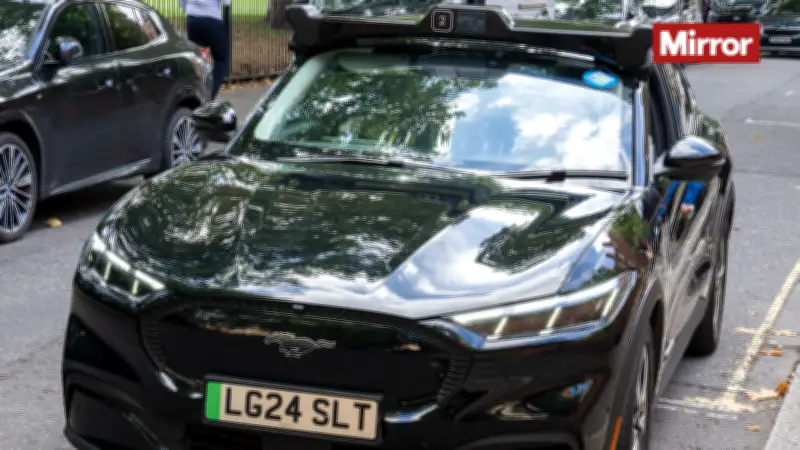
The service - in conjunction with UK tech firm Wayve - is starting with a few dozen taxis in the capital, and a human will still sit behind the wheel as a safeguard for now as the full driverless technology has yet to be given regulatory approval. However, the vehicles are designed to operate autonomously and will do the driving.
The modified Ford Mach-E cars have a radar on the roof that allows it to detect what is happening around it as it drives, meaning the artificial intelligence packed kit can make decisions in real time. The next stage, if allowed by Transport for London, will be the launch of Nissan Leaf taxis without a driver in place at all.

Reception and concerns
Wendy Lee, Uber’s head of autonomous mobility and delivery, told the Mirror this week’s launch was about eventually reaching “driver out technology”. “There is no race to taking the driver out,” insisted Ms Lee, amid reports there have been delays in getting to that point. Uber says more than 140,000 customers have already registered interest in booking an autonomous cab ride through the app.
However, there are questions about people’s willingness to take a driverless cab ride. A YouGov poll in July found 42% of Londoners were against autonomous cabs in the capital, with only 29% supporting the technology. Concerns centred around road safety, unproven technology and job losses. Ms Lee insisted autonomous cars have a “super human track record”, despite reports of incidents.
Safety incidents and job impact
In one case from April this year, a vehicle from rival Waymo - with a safety driver in place - veered into a crime scene in north London. And in Arizona, a self-driving Uber being trialled with a human safety back-up driver hit and killed 49-year-old Elaine Herzberg as she pushed her bicycle across a four-lane road. “We have received a pretty positive reception to autonomous vehicles,” said Ms Lee.
There are also big concerns about what it will mean for taxi drivers, including Uber’s army of 100,000 in London alone. David McMullen, GMB Senior Organiser, said: “With hundreds of thousands of people employed to drive every day, we need to be really careful with the roll out of driverless cars unless we are prepared to see unprecedented levels of social and economic disruption. GMB has called on TfL and the Government to urgently take responsibility for developing a plan that protects drivers and holds operators accountable for the disruption that these services will ultimately cause. Until a plan is put in place to manage this transition and support drivers, it is premature to move to ‘driverless’ services. It’s vital that we consider the implications of this before it’s too late.”
It follows reports that US giant Uber itself is planning to axe 3,300 jobs worldwide - about 10% of its workforce - as it ploughs billions into its robotaxis business. The lay-offs, targeting management roles, are the most brutal since the Covid crisis. Uber boss Dara Khosrowshahi said the cull was to remove “complexity” and free up money for investment. The company has pledged to spend more than £7 billion expanding its robotaxis venture.
Future outlook
Kaity Fischer, Wayve vice president of commercial and operations, insisted thousands of jobs would ultimately be created with any roll-out of the technology, from suppliers to “folks who have to care for the vehicles.” But she added: “It’s a very natural concern and any change in technology brings those concerns, but there will always be transportation needs that need a human driver, whether for assistance or comfort or preference, those will always exist.”

Transport Secretary Heidi Alexander said: “This is a major milestone for the future of transport in London, as British innovation brings this technology onto our roads and gives passengers more choice. As this technology develops, we want to support new opportunities for investment and skills, while recognising the important role that those working in the sector today will continue to play. Today's announcement further cements Wayve’s status as a technology trailblazer here in the UK, and highlights how British innovation is helping drive investment and growth in transport.”