

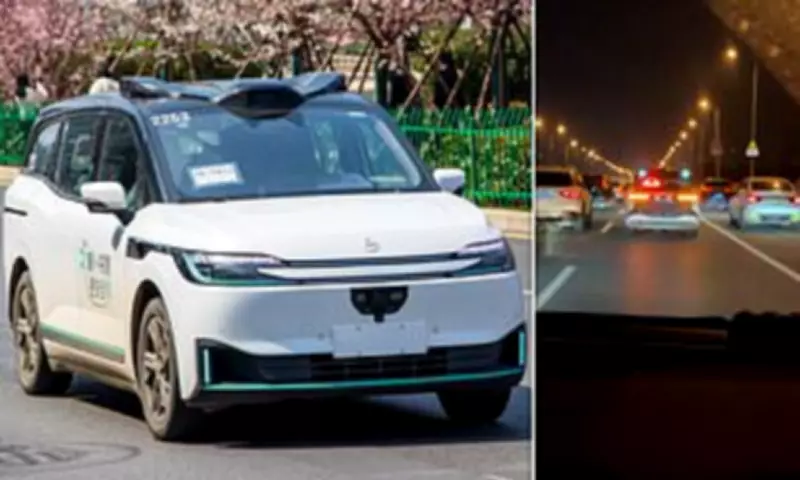
Mass Robotaxi Malfunction in Wuhan Causes Traffic Chaos and Passenger Strandings
A major system failure in Baidu's Apollo Go robotaxi service led to approximately 100 driverless vehicles stalling abruptly in the bustling Chinese city of Wuhan on Tuesday. The incident resulted in significant traffic disruptions, with passengers left stranded in the middle of fast-moving roads for nearly two hours in some cases.
Verified Footage Shows Vehicles Stalled on Busy Roads
Video verified by Reuters and shared on Douyin, the Chinese version of TikTok, captured the chaotic scenes as autonomous cars came to a halt on busy thoroughfares, obstructing the flow of traffic and contributing to multiple pile-ups. The footage clearly shows vehicles immobilised, creating hazardous conditions for both passengers and other road users.
Passengers Describe Harrowing Ordeal and System Failures
One passenger recounted to Chinese media how their robotaxi stopped suddenly after turning a corner. An on-screen message displayed: 'Driving system malfunction. Staff are expected to arrive in 5 minutes.' When assistance failed to materialise, the passenger activated an SOS button and was informed that staff were en route. Ultimately, they had to exit the vehicle independently, as the doors could be manually opened despite the system failure.

Speaking to Shanghai-based newspaper The Paper, a police officer confirmed that while car doors were operable, many passengers were reluctant to disembark due to heavy traffic and instead called authorities for help. Baidu has not yet issued an official statement regarding the incident, and the exact cause remains under investigation according to preliminary reports.
History of Robotaxi Incidents Fuels Safety Concerns
This latest malfunction has reignited debates on Chinese social media regarding the safety and operational readiness of autonomous vehicle services. Previous incidents include:
- An Apollo Go robotaxi carrying a passenger fell into a construction pit in Chongqing in August.
- A vehicle operated by Pony.ai caught fire on a Beijing road in May.
Fortunately, no injuries were reported in either of those cases. The Wuhan incident echoes similar problems abroad, such as a widespread power outage in San Francisco last year that caused Waymo robotaxis to stall and snarl traffic.
Baidu's Position in the Autonomous Vehicle Market
Baidu stands as one of China's largest operators of autonomous driving fleets, alongside competitors like Pony.ai and WeRide. These companies have aggressively expanded commercial robotaxi services across major Chinese urban centres and have begun venturing into international markets, including the Middle East. The Wuhan malfunction underscores the ongoing challenges in deploying this technology at scale, particularly in dense urban environments where system failures can have immediate and severe consequences for public safety and traffic management.






