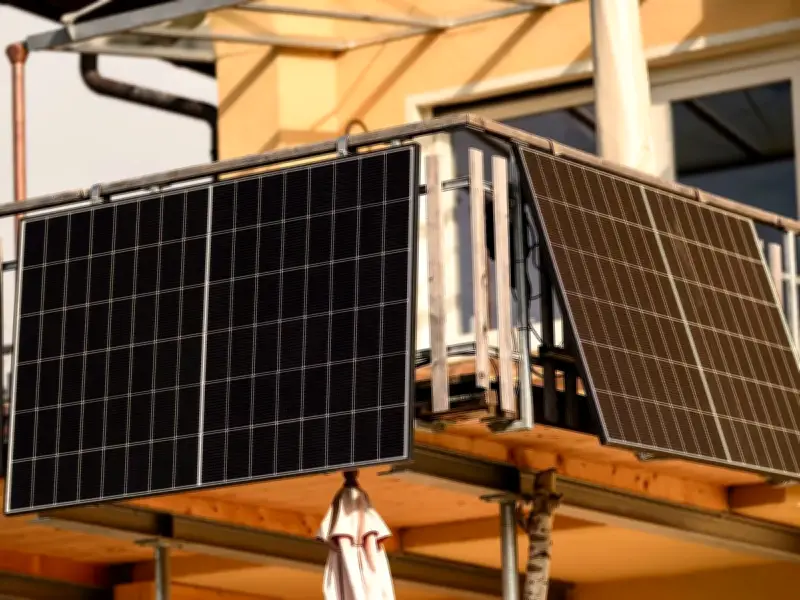
Plug-in solar panels that connect to a normal electrical socket are now legal to buy and use across Great Britain, following a change to safety regulations. The systems could help households cut electricity bills without the expense or space needed for traditional rooftop solar, with energy suppliers estimating savings of up to £150 a year.
The rule change took effect on August 27 after the UK Government updated safety regulations covering the technology. The Department for Energy Security and Net Zero said each compliant plug-in solar kit can produce up to 800W of power, potentially providing up to 20 per cent of an average home's electricity use.
How plug-in solar works
Unlike conventional rooftop installations, the smaller systems are designed to be installed in suitable outdoor spaces including balconies, patios and gardens. Electricity generated by the panels is fed into the household electrical system through a standard socket, reducing the amount of electricity that needs to be bought from the grid.

The UK Government introduced the regulatory changes following work on the electrical safety of the technology. A UK Government safety study tested representative systems under a range of conditions and found plug-in solar could operate safely under the conditions tested. However, products need to meet specified safety requirements to comply with the new rules.
Octopus launches kits from £450
Octopus Energy has launched one and two-panel plug-in solar systems, with prices starting from £450. Its 460W panels can be mounted on a wall or floor and come with a standard three-pin plug and five-metre cable. The supplier says customers can set up the system themselves in around an hour and take it with them if they move home.
Customers can also monitor how much electricity their panels generate through the Octopus app. Octopus estimates households could save up to £150 a year, depending on sunlight levels and how they use electricity. It says households choosing two panels and pairing them with an appropriate smart export tariff could potentially recover the cost of the panels in around five-and-a-half years.
British Gas customers could earn from surplus power
British Gas is also preparing to offer plug-in solar and says eligible customers will be able to receive payments for surplus electricity exported to the grid in the coming weeks. The supplier estimates its units, worth around £500, could save households up to £110 annually. British Gas is also giving away units to 30 households as part of a competition marking the introduction of the technology.
John Evans, Commercial Director at British Gas, said traditional solar had previously depended on people having a suitable roof and being able to afford a significant upfront investment. He said plug-in systems were now providing another option for households wanting to generate their own electricity.
Solar installations hit record levels
The launch comes as the number of solar installations across the country continues to increase. New UK Government figures show nearly 172,000 solar installations have been completed across the UK since the beginning of 2026. Nearly 28,000 installations were completed across homes, businesses and larger projects during July alone, the third-highest monthly figure on record.
More than seven in 10 installations during July were rooftop solar systems. Solar installations increased across every UK nation and English region over the previous 12 months, with Scotland recording a 14 per cent increase.
Other major retailers including Currys, B&Q, Screwfix and Amazon are also preparing to offer plug-in solar following the rule changes. Households considering the technology should check that the product complies with the new requirements and whether any permissions are needed for their property before installing panels.