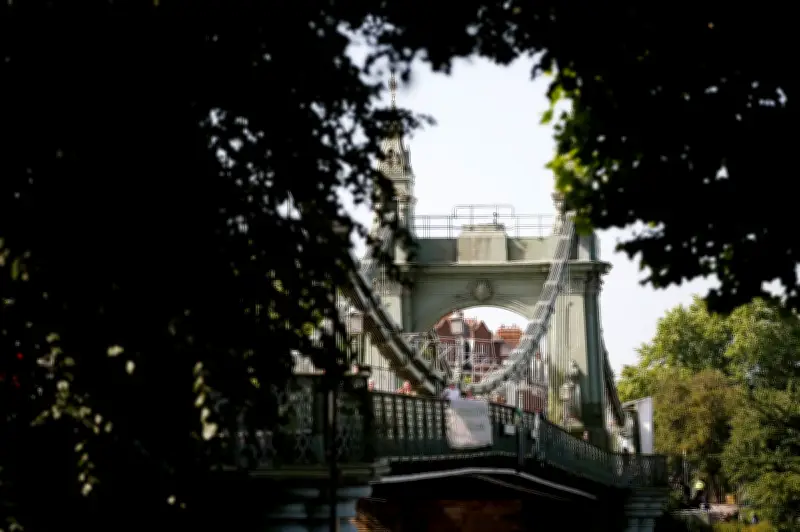
A non-profit group in west London has proposed using driverless cars to cross the Hammersmith Bridge, which has been closed to vehicular traffic since 2019 due to structural cracks.
Bridge Closure and Repair Challenges
The 139-year-old Grade II listed bridge, which links Hammersmith and Barnes, has been restricted to cyclists and pedestrians after cracks appeared in its pedestals. Plans to reopen the bridge to motor traffic were shelved earlier this month when a council report concluded that extensive repairs would essentially require building a brand-new bridge.
Autonomous Pod Proposal
The community group Barnes and Hammersmith Electric Light Transit (BHELT) has suggested that autonomous pods could provide an inclusive and sustainable transport solution. According to their website, BHELT was established to explore, develop, and promote the idea of lightweight autonomous electric pods operating across the bridge.

The pods, designed and manufactured by Ohmio UK, have eight seats and standing room for about six more people. They are designed for autonomous driverless operation and include space for a wheelchair, accessible via a ramp extending from beneath the doors.
How the Pods Would Work
Baran Sahan from Ohmio UK explained that the pods operate similarly to a tram. "They are slow-moving - currently we operate at a maximum speed of 15 miles an hour," he said. Charles Campion from BHELT told the BBC: "Whatever people's views, there's a consensus that we need to try to fill that gap. We believe the autonomous pods could be the solution."
Proposed Route and Current Status
BHELT initially proposes a service running from Hammersmith transport interchange to the Barnes side of the bridge, with potential extension to Barnes railway station. However, Transport for London (TfL) has stated it currently has no plans to introduce the pods on the river crossing or for driverless buses more generally on its network.