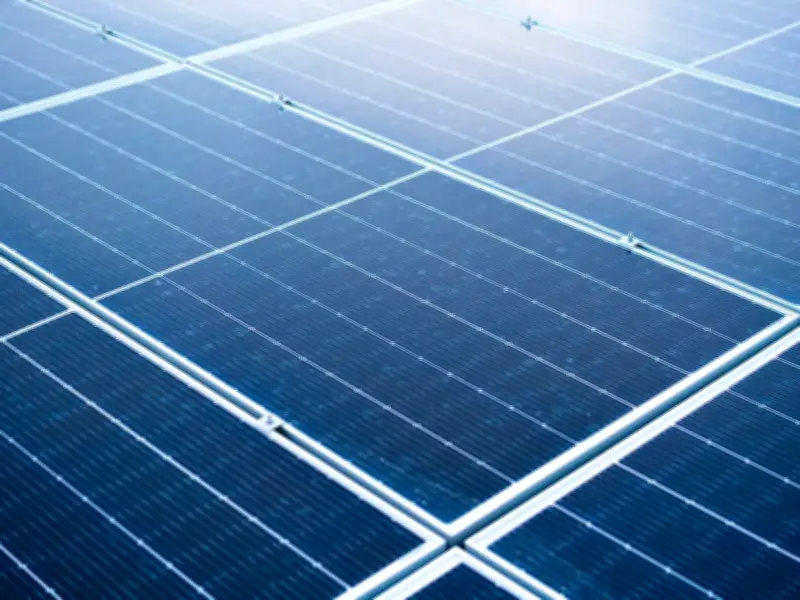
Plug-in solar panels go on sale in Britain from August 27, and the government says households could save up to £110 a year on energy bills. The rule change makes it legal for homeowners to buy and fit the devices, which are cheaper than rooftop panels and simply plug into the mains.
What is changing and how much does it cost?
From August 27, plug-in solar panels will be available in Britain for the first time. Northern Ireland may follow once regulations are updated. Unlike rooftop panels, these are designed to be much cheaper and do not need professional installation.
Retailers such as Currys, B&Q, Screwfix and Amazon are expected to stock them, with prices starting at around £700. Officials expect that to fall to £400 to £600 in the near future as more retailers get involved and competition increases.

Each kit can produce up to 800W of power, enough to provide as much as 20% of an average home's electricity use, officials claim. The savings depend on where the panels are fitted. They work best on an unshaded, south-facing spot. Panels facing east or west still work but generate less electricity. The Energy Saving Trust does not recommend installing panels that face north or are in a shaded space.
How are they fitted and where can they go?
The idea is that you plug them directly into a mains socket, ideally an outside one. Outdoor sockets need to be weatherproof and installed by a qualified electrician. You cannot use an extension lead, and the socket must be in a circuit that does not have lighting or hardwired appliances such as a boiler or cooker.
They can be fitted on shed roofs, fences, or the balconies of flats. If you are a homeowner, it is easier, but be careful if the panels will be fitted on shared fences or an adjoining wall with a neighbour. Renters should check with their landlord or freeholder first. Those in flats must check if the outside of the building has cladding, as installing plug-in solar panels could impact fire safety.
The maximum amount of power allowed to enter your home's electrical socket is 800W, so you cannot install a whole bunch of plug-in panels.
Planning permission and registration
In England, the government has introduced a Permitted Development Right to make it easier to install plug-in solar panels on houses. For Scotland, Wales and Northern Ireland, check the requirements that apply in your area before installing them.
You must register your device using the UK Plug-In Solar Registration website. It is a legal requirement, designed to ensure the energy network can handle the extra electricity flowing into the system. You should also contact your buildings and contents insurance provider to see how plug-in solar panels might affect your policy, and check whether it includes outdoor installations.
Safety concerns and energy bill context
Ministers have been forced to reassure people that fitting the panels will be safe after warnings from experts that they could pose a fire risk. The government insists an independent electrical study has shown plug-in solar panels are safe and compatible with UK domestic electrical systems, including homes with older consumer units and legacy protective devices. It also says they are already widely used in homes across Europe.
However, the Institution of Engineering and Technology (IET) is urging consumers to have their electrical installation assessed by a competent electrician before connecting a plug-in solar unit. Mark Coles, head of technical regulations at the IET, said: “This is particularly relevant given the age and diversity of the UK’s housing stock. Many homes have older electrical installations and householders may be unaware of the condition of their wiring or whether their existing installation provides the necessary level of protection.”
He says important questions remain unanswered about what would happen if a home has a number of panels and there was a fault or an emergency, including whether the Residual Current Device would trigger quickly enough. You could opt to get an Electrical Installation Condition Report (EICR), a healthcheck created by a qualified electrician, but the bill for getting an electrician round will add to the overall set-up costs.

The rollout comes as energy bills rise to the highest level in three years for millions of households this winter. Ofgem's price cap is rising by 4% from October, taking the typical direct debit annual bill from £1,663 to £1,723, a £60 increase. Most of the increase is driven by higher gas costs following continued uncertainty around the Iran war, with gas bills set to rise by 8%.
Energy Secretary Miatta Fahnbulleh said: “Plug-in solar is a simple, affordable way for households to take control of their energy bills and start saving straight away. From this summer, we’re giving more families the ability power their homes with clean homegrown energy.”
Friends of the Earth energy campaigner Danny Gross said: “This is a very positive step that will enable many more households to reap the benefits of the clean energy transition. Plug-in solar could put renewable power generation within reach for millions of people who’ve been locked out until now, from renters to those without a suitable roof. At a time when energy bills remain so high, giving people a simple way to generate their own electricity will enable households to cut costs by reducing their reliance on expensive fossil fuels. The UK may not be famous for its sunshine, but we get more than enough daylight for solar to work effectively. If rolled out well, plug-in solar can play an important role in cutting emissions while bringing power – both literally and financially – to the people.”