Chinese App Withdraws Bowing-for-Hire Service Amid Public Backlash
A Chinese odd jobs mobile application has withdrawn a controversial service that enabled users to hire proxies to bow to elderly relatives on their behalf during Lunar New Year visits. The service, which has now been deleted, prompted significant online outrage and mockery, leading to increased scrutiny of China's burgeoning "hire-anything" sector.
Outcry Over Commodification of Tradition
Promotional materials for the now-removed offering depicted an orange-uniformed worker kneeling with their forehead to the floor before a smiling elderly couple. This visual sparked intense debate on social media platforms, with many users expressing dismay at the commercialisation of deeply rooted cultural practices.
"Filial piety should not be commoditised," remarked one Weibo user, referencing the traditional Chinese value of respect and deference towards older family members. Visiting loved ones and offering good wishes remain integral components of the Lunar New Year holiday, although the specific act of bowing is no longer widely practised in contemporary society.

App's Response and Compensation Offer
UU Paotui, the odd jobs app based in central China's Henan province, announced the removal of the service in a Wednesday post on WeChat. "After careful consideration, we have voluntarily removed the services that caused controversy," the company stated.
The app clarified that the services were originally intended to assist individuals living far from their families and those with mobility issues in maintaining traditional customs during the festive period. UU Paotui has committed to providing triple compensation to customers who had already booked the now-deleted bowing package.
As of Friday, the app continued to offer a New Year greeter service with immediate dispatch options, but the specific 999 yuan (approximately $144.77) two-hour bowing-for-hire package was no longer visible. The removed package had allowed buyers to hire gig workers for tasks including purchasing and sending gifts, performing traditional etiquette, and offering one minute of auspicious blessings to relatives.
Context of Proxy Services in China
Proxy services are relatively common in China, where labour costs remain comparatively low and urban consumers increasingly prioritise convenience. Beyond the holiday season, UU Paotui users can hire individuals through the app for various tasks such as accompanying them to hospital appointments, feeding pets, or waiting in queues at restaurants and other busy locations.
In a nod to the growing virtualisation of social interactions in China, UU Paotui had suggested that using the app could help avoid awkward social encounters during the new year celebrations. "If you don't want to have social anxiety during the new year [celebration], the experience has to be online!" declared a Monday Weibo post announcing the service prior to its removal.
Official Commentary and Broader Concerns
A Wednesday commentary in the People's Daily, the official newspaper of the Communist Party, described the bowing service as "very awkward" and called for closer examination of the proxy service industry. "Real innovation should meet needs while also safeguarding values," the commentary asserted, highlighting potential legal risks associated with services like paying a proxy to cover work shifts.
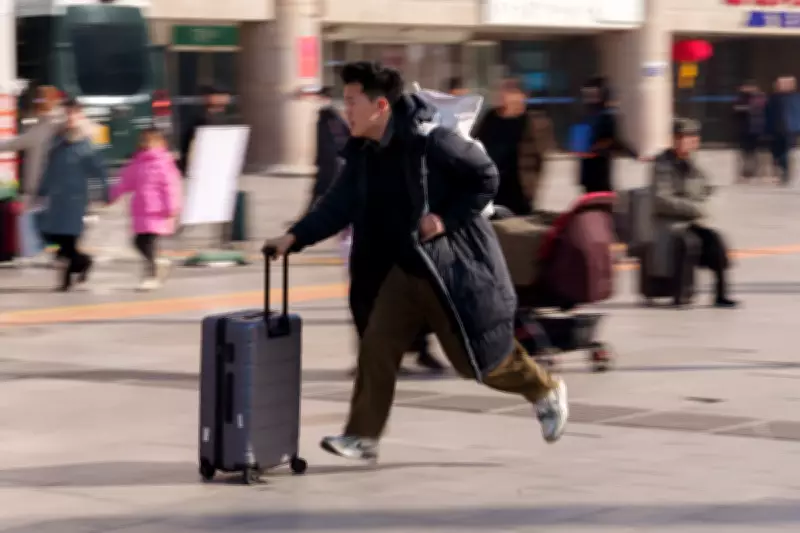
This controversy emerges against a backdrop of increasing concern for China's often overworked delivery workers, who are frequently observed sprinting through shopping malls and residential complexes to fulfil orders promptly. In a related development, President Xi Jinping met with delivery workers on Wednesday to extend new year greetings and acknowledge their diligent efforts. "The city couldn't function without workers like you," President Xi remarked during the encounter.
The annual Lunar New holiday prompts what is commonly referred to as the world's largest annual human migration, as millions of people who have relocated for work return to their hometowns to reunite with families. This mass movement underscores the enduring significance of familial bonds and traditional customs in Chinese society, even as technological innovations continue to reshape how these practices are observed.