

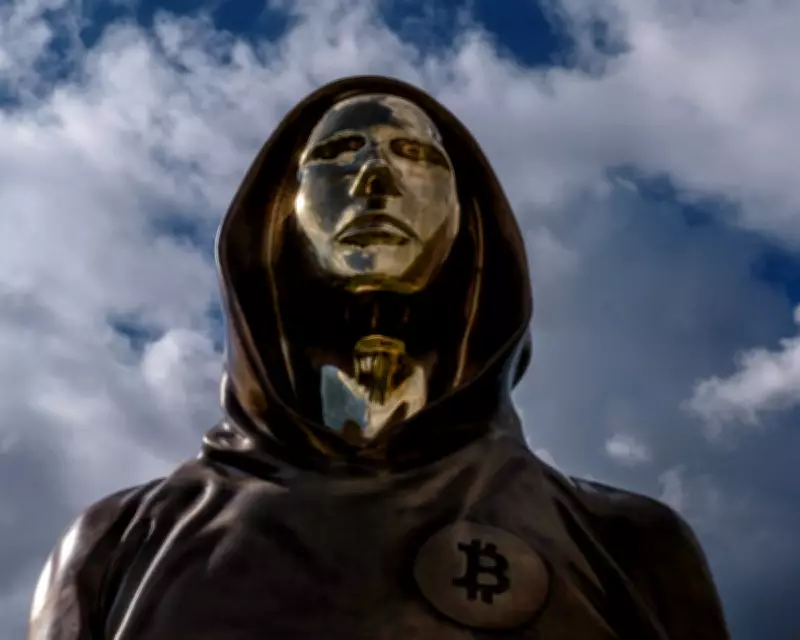
British Computer Scientist Denies Being Bitcoin Creator Satoshi Nakamoto
A British computer scientist has firmly denied being the elusive developer of bitcoin, following a report that claimed to unmask him as its creator. The story, published in the New York Times, details a years-long investigation into the identity of Satoshi Nakamoto, the mysterious author of the bitcoin white paper that laid the theoretical foundations for modern digital currencies.
Report Points to Adam Back
The report names Adam Back, a London-born computer scientist and entrepreneur, as the potential creator. In response, Back promptly denied the allegations in a thread on X, stating, "I also don’t know who satoshi is, and i think it is good for bitcoin that this is the case, as it helps bitcoin be viewed [as] a new asset class, the mathematically scarce digital commodity."
Nakamoto's true identity has been the subject of intense speculation for years. Previous attempts to identify him have pointed to figures such as Nick Szabo, a reclusive Hungarian-American computer scientist; Hal Finney, a software developer; and an unknown Australian genius who was later exposed as a fraud.

Investigation Methods and Evidence
This time, journalist John Carreyrou focused on Back, who was a member of an online anarchist cryptography community called the cypherpunks in the early 1990s. Carreyrou unearthed similarities between Back and Nakamoto by:
- Combing through decades of old internet postings.
- Analysing commonalities in their public writings, including offhand comments like "I’m better with code than I am with words."
- Comparing timelines, noting that Back went dormant on cryptography forums when Satoshi emerged.
- Using artificial intelligence to compare language use between Back and Satoshi.
Carreyrou confronted Back with the evidence at a bitcoin conference in El Salvador, describing Back as reddening and shifting uncomfortably, and making a conversational slip that seemed to imply he was Satoshi. "He’d removed any lingering doubt in my mind that I had the right man," Carreyrou wrote.
Back's Response and Expert Opinions
Back dismissed the claims as happenstance, arguing that the artefacts leading to Carreyrou's conclusion were "a combination of coincidence and similar phrases from people with similar experience and interests." However, not everyone was convinced. Domer, a well-known Polymarket gambler, replied to Back's post, saying, "After reading that article, I’m going with a 99% chance that you’re Satoshi. Such obvious tells (the disappearing act is a classic mafia/werewolf rookie error)."
Others expressed skepticism. Stephen Murdoch, a professor of computer science at University College London, noted, "There’s some indication that it’s him, but there’s no smoking gun." He added, "It’s not implausible but my bet would still be Hal Finney," especially since Finney received the first bitcoin transaction from Satoshi, a common practice for testing systems.
Dr Jacky Mallett, an assistant professor of computer science at Reykjavík University, suggested Satoshi was "almost certainly more than one person," pointing to updates in the bitcoin code that indicate multiple contributors. "I think there was a small group of people behind this, and that they understood financial structures more than they are credited for," she said.
Financial Implications and Broader Context
Back is the owner of a bitcoin treasury firm that is merging with a publicly traded company created by Cantor Fitzgerald, formerly led by US commerce secretary Howard Lutnick. If Back were Nakamoto and owned 1.1 million coins worth tens of billions of pounds, he would need to disclose this to the Securities and Exchange Commission, as such a fortune could materially affect the bitcoin market.
In a symbolic gesture, Back wrote on X, "We are all Satoshi," echoing the decentralized ethos of the cryptocurrency community. The debate over Nakamoto's identity continues, with this latest report adding fuel to the ongoing mystery.






