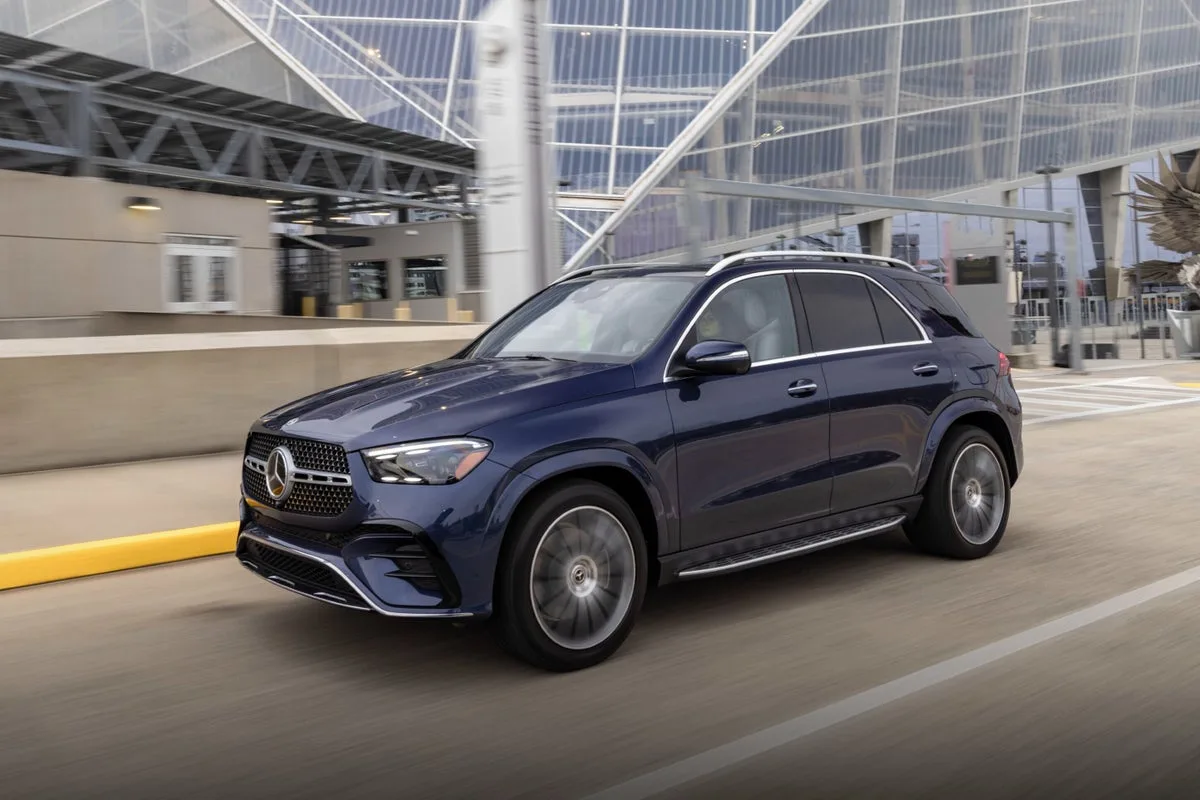
BMW X5 vs Mercedes GLE: Edmunds' Luxury Plug-In Hybrid SUV Showdown
BMW X5 vs Mercedes GLE Plug-In Hybrid Review

In the competitive world of luxury midsize SUVs, the BMW X5 and Mercedes-Benz GLE have long been popular choices for drivers seeking premium space, technology and comfort. For the 2026 model year, both vehicles offer sophisticated plug-in hybrid powertrains, presenting an appealing proposition for those looking to reduce fuel consumption without sacrificing performance or luxury.

The Plug-In Hybrid Proposition

These aren't vehicles aimed at budget-conscious shoppers, but rather represent a premium segment where quality and innovation come at a price. The plug-in hybrid versions of both SUVs feature hybrid batteries that can be charged with a cord, enabling all-electric driving for shorter distances before a conventional petrol engine takes over seamlessly.

For drivers who frequently complete journeys under 40 miles and can regularly charge at home, these vehicles offer significant potential fuel savings alongside their luxury credentials. But which represents the better investment: the BMW X5 xDrive50e or the Mercedes-Benz GLE 450e? Edmunds' automotive experts conducted comprehensive testing to determine the strengths and weaknesses of each contender.

Comfort and Interior Space

Mercedes-Benz GLE 450e: A Sanctuary of Serenity

The GLE 450e's interior represents one of its greatest assets, offering a spacious and classically elegant cabin with generous room for occupants in both rows. The combination of heated, ventilated and massaging seats with an excellent climate control system creates a genuinely relaxing driving environment.

Practical considerations haven't been overlooked either. The rear seats provide ample space for bulky child safety seats, with conveniently located anchor points that simplify installation. This attention to detail extends throughout the cabin, creating an environment that prioritises passenger comfort above all else.

BMW X5 xDrive50e: Premium Isolation

The X5 offers similarly generous interior dimensions with what Edmunds describes as "vault-like" isolation from external noise and disturbances. Premium materials, extensive seat adjustability and sophisticated LED ambient lighting contribute to an undeniably upscale atmosphere.

However, the BMW's user interface presents some challenges. Many climate controls and vehicle functions are buried within complex touchscreen menus, creating occasional frustration. Additionally, installing child safety seats proves more challenging due to less accessible anchor points.

Comfort Winner: Mercedes-Benz GLE 450e

Driving Dynamics and Performance

Mercedes-Benz GLE 450e: Effortless Efficiency

When fully charged, the GLE 450e primarily operates in electric mode, only engaging its petrol engine when maximum power is requested. This transition feels seamless from the driver's perspective, maintaining the vehicle's refined character.

At Edmunds' test track, the GLE accelerated from 0 to 60 mph in 5.7 seconds, while light steering makes it particularly manoeuvrable in tight spaces. However, at higher speeds, it doesn't feel quite as planted as other GLE variants without hybrid powertrains.

BMW X5 xDrive50e: Sporty Sophistication

The X5's hybrid system matches the GLE's refinement while delivering noticeably sportier characteristics overall. Its powertrain generates substantial power, propelling the vehicle to 60 mph in just 4.6 seconds.

Beyond straight-line acceleration, the X5 feels more stable and secure through corners and on winding roads, offering driving dynamics that will appeal to enthusiasts who prioritise engagement alongside efficiency.

Driving Winner: BMW X5 xDrive50e

Technology and Infotainment

BMW X5 xDrive50e: Powerful but Complex

The X5's infotainment system features sharp graphics and responsive performance, though its menu structure can prove difficult to navigate. Fortunately, BMW's voice control system ranks among the industry's best, allowing drivers to perform common functions like adjusting climate settings without taking their eyes off the road.

Mercedes-Benz GLE 450e: Innovative Integration

The GLE matches the BMW's high-resolution displays and rapid response times while introducing genuinely innovative features. Particularly impressive is an available augmented reality navigation system that overlays digital graphics like arrows and street names onto live video from the front camera, making turn-by-turn directions exceptionally intuitive.

Technology Winner: Mercedes-Benz GLE 450e

Pricing and Overall Value

The BMW X5 xDrive50e starts at $77,450 including destination charges, while the Mercedes-Benz GLE 450e begins at a slightly lower $73,600. The BMW justifies its premium with additional standard features, though both vehicles offer impeccable build quality and comprehensive four-year/50,000-mile bumper-to-bumper warranties.

BMW sweetens the deal with three years of complimentary maintenance, while the GLE counters with superior efficiency ratings. The Mercedes achieves an EPA-estimated 50 miles of all-electric range and 23 mpg in combined driving once the battery depletes, compared to the X5's 38 electric miles and 22 mpg combined.

Value Winner: Tie

Edmunds' Final Verdict

Both the 2026 BMW X5 xDrive50e and 2026 Mercedes-Benz GLE 450e represent impressive achievements in luxury plug-in hybrid SUV development. The BMW will appeal most to drivers who prioritise sporty dynamics and exhilarating performance, while the Mercedes emerges as the better all-round choice for those seeking serene comfort, exceptional build quality and more intuitive technology integration.

Ultimately, your preference will depend on whether you value driving engagement above all else or prioritise passenger comfort and technological sophistication. Either way, both vehicles demonstrate how luxury and efficiency can coexist harmoniously in today's premium automotive market.