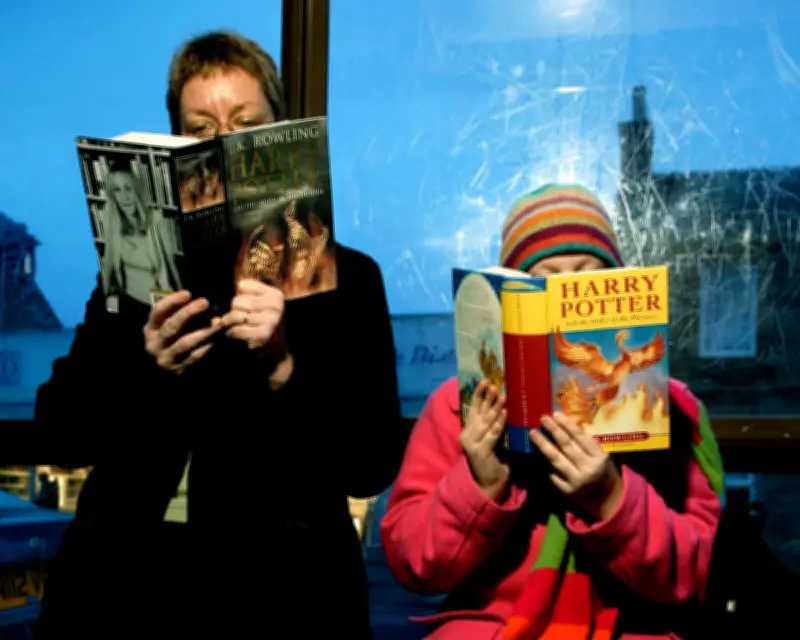
Bloomsbury, the publisher of J.K. Rowling's Harry Potter books, is set to receive a multimillion-pound payout as part of a $1.5bn (£1.12bn) copyright settlement between AI startup Anthropic and thousands of authors. The settlement addresses the use of copyrighted works to train AI chatbots.
Details of the Settlement
Bloomsbury, which also publishes bestselling authors Sarah J. Maas and Susanna Clarke, has 14,087 titles included in the settlement. The proposed compensation is approximately $3,000 per title. The London-based company expects to receive the funds in instalments, potentially starting in the second half of this fiscal year, with proceeds shared with authors.
After deducting about 10% for attorney fees and other expenses, Bloomsbury and the affected authors can expect to receive around $19m (£14m).

Copyright and AI
Copyright has become a major issue in the AI boom, as tools like Anthropic's Claude chatbots are trained on vast amounts of data from the open web, including copyrighted works. US-based AI companies argue this falls under the fair use doctrine, but creators worldwide demand permission or payment.
Legal Proceedings
The lawsuit against Anthropic was filed in 2024 by novelist Andrea Bartz and two other authors. US District Judge Araceli Martínez-Olguín ruled on Monday that the settlement provides “meaningful relief” to affected authors and publishers. Approximately 91% of the 482,000 works covered in the suit have been claimed.
Authors' lead lawyer Justin Nelson described it as “the largest known copyright recovery in history.” This is the first major settlement among dozens of AI copyright lawsuits in the US involving authors and news outlets.
Statements from Anthropic
Anthropic's deputy general counsel, Aparna Sridhar, said in a written statement: “We are pleased that more than 91% of authors and publishers covered by the settlement have claimed their share of the payment, and we’re looking forward to bringing this matter to a close.”
Bloomsbury's AI Licensing Deal
Bloomsbury announced an AI licensing deal last year, allowing it to sell academic works for training generative AI programs. The firm recently stated that more subject areas are being considered for AI training. Authors can “opt in” to the scheme and receive royalties if they allow their work to be used.