

Choosing a new television in 2026 can feel overwhelming, with a dizzying array of technologies from Mini LED and QLED to OLED promising bigger, brighter and smarter screens. To cut through the noise, Steve May, a technology journalist with over 30 years of experience, has rigorously tested the latest models. His comprehensive guide, published on Friday 16 January 2026, identifies the standout performers for every home and budget, ensuring your next upgrade is an informed one.
From Cinema to Casual Viewing: The Top TV Picks
The market offers something for everyone, whether you're a film fanatic, a dedicated gamer, or simply need a reliable screen for family entertainment. After extensive real-world testing with streaming services, Blu-rays, and set-top boxes, the following models have emerged as the best in their class.
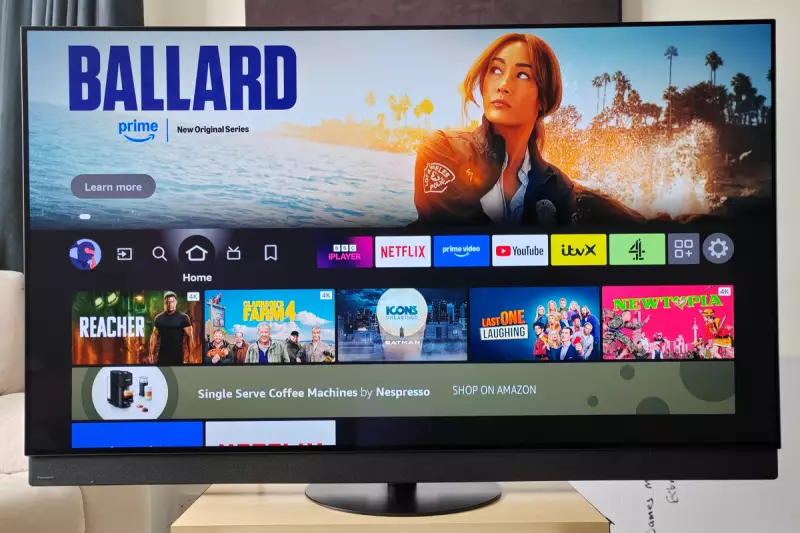
The Panasonic Z95B OLED TV claims the top spot as the best overall television. Priced at £1,699, this flagship model combines a state-of-the-art RGB Tandem OLED panel with Amazon's Fire TV OS and the aerial-free Freely service. It delivers sensational picture quality with perfect blacks and vibrant colour, backed by a powerful, Technics-tuned 360° Soundscape Pro Dolby Atmos system. A minor drawback is that only two of its HDMI ports support full high-frame-rate gaming.

For those seeking exceptional value, the Philips 55OLED760 OLED TV is the best budget OLED at £899. It boasts a compelling feature set including 4K 120Hz support on all HDMI ports, Dolby Vision, and its signature three-sided Ambilight system that syncs with on-screen content. While not the brightest OLED available, it offers a cinematic experience that belies its price.
Specialist Screens for Gaming, Sports & Style
Specific viewing habits demand tailored technology. For gamers, the LG OLED65C5 OLED TV (£1,599) is the premier choice, offering next-gen support including 144Hz refresh rates, four HDMI 2.1 ports, and comprehensive VRR compatibility. Its new Alpha 9 Gen 8 processor ensures outstanding picture quality, though its audio performance is average, suggesting a soundbar would be a wise addition.
Sports enthusiasts should look to the Sony Bravia 8 II QD-OLED TV (£1,799). Its XR Cognitive Processor uses AI to prioritise key on-screen action and faces, resulting in incredibly realistic detail and excellent motion handling. The set also features Sony's Acoustic Surface Audio+, which uses actuators to turn the entire panel into a speaker for clear, anchored sound.
If design is a priority, Samsung's The Frame QLED TV (£834) remains the leading lifestyle choice. Its matte, anti-glare screen and customisable bezels allow it to display artwork when not in use, blending seamlessly into your home decor. It runs the Tizen smart platform and includes a separate One Connect Box for a clean, single-cable wall mount.
Bright Rooms, Family Homes & Subscription Simplicity
For sunlit living spaces, the Samsung QN73F Neo QLED Mini LED TV (£949) is the top recommendation. Its Mini LED panel delivers bright, punchy images that combat glare, and all four HDMI ports support 4K 120Hz for gaming. It uses Samsung's Tizen OS but does not support Dolby Vision HDR.
The TCL C805 Mini LED TV (£449) is crowned the best family TV, offering a bright, vibrant Quantum Dot Mini LED picture and strong gaming credentials at a mid-range price. It uses the Google TV smart platform for intuitive content curation.
An innovative alternative comes from Sky. The Sky Glass Air TV (£225 + subscription) is a premium subscription model with Sky TV built-in, requiring no dish. It's a streamlined option for dedicated Sky streamers, featuring a QLED panel and cloud-based recording, though its 60Hz screen limits gaming appeal.
Finally, for a superb small-screen bargain, the Toshiba 43UV2F LED TV (£259) is the best budget buy. It includes Freely for aerial-free live TV and the Vidaa smart OS, making it a versatile and cost-effective choice for bedrooms or secondary rooms.

Ultimately, the best TV for you depends on your viewing preferences, room environment, and budget. This expert-led roundup, based on rigorous testing of picture quality, smart functionality, HDR performance, gaming capability, and design, provides a trusted roadmap to finding your ideal screen in 2026.





