

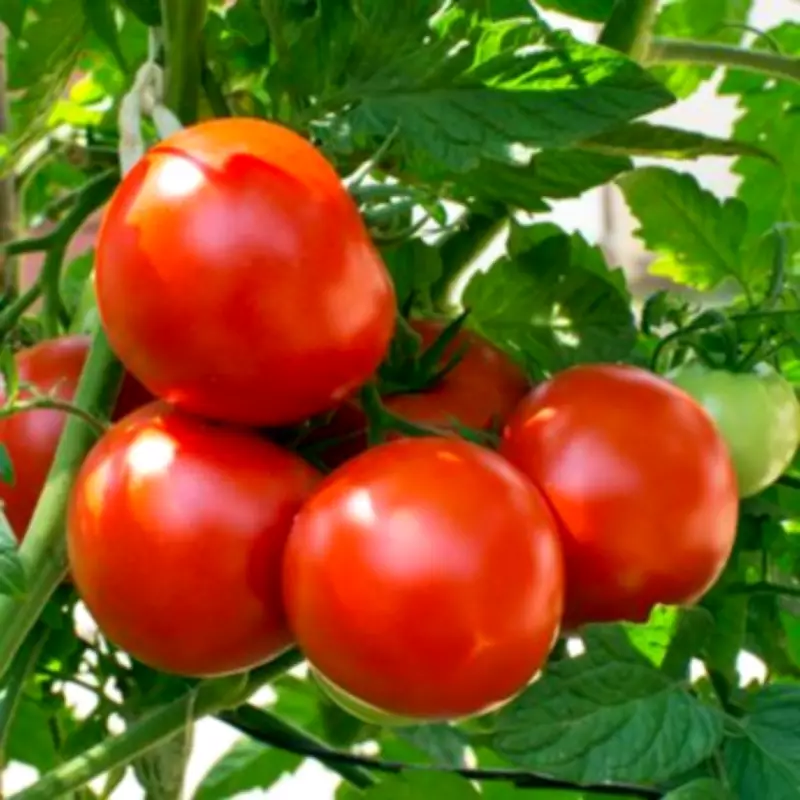
As the weather warms up across the UK, gardeners are preparing to plant tomato plants outdoors. To ensure a bountiful harvest, experts recommend using a homemade fertiliser made from banana peels, a common kitchen scrap rich in potassium, phosphorus, and calcium.
When to Plant Tomatoes Outdoors
Tomato plants should ideally be planted outside once the risk of frost has passed and night-time temperatures are consistently above 10°C. For most people in the UK, this occurs in mid to late May or early June. Jane Perrone, a houseplant expert and host of the indoor gardening podcast On The Ledge, warns against planting too early. She explains on her blog: 'Tomatoes stop growing once the temperature drops below 10-12°C at night, and ideally they need 15°C in the day. And frost will kill them, so wait until the frost risk is completely over before sending them outside for good.' The Royal Horticultural Society (RHS) advises planting young tomatoes in their final position in early summer when temperatures are 'reliably above 16°C (60°F)'. Those with a greenhouse can plant earlier as the plants are protected from fluctuating temperatures and frost.
The Benefits of Banana Peel Fertiliser
Once tomato plants are established, fertilising them encourages faster growth and a larger harvest. While tomato-specific fertilisers are often recommended, a homemade alternative using banana peels is effective and free. Banana peels are rich in potassium, phosphorus, and calcium, which promote flowering and fruit production. On YouTube, @kuhinjatanja (My Kitchen Tanja) shares a simple recipe for banana peel fertiliser. With over 2.6 million subscribers, she claims this natural fertiliser makes gardens 'literally flourish'.

How to Make Banana Peel Fertiliser
- Cut banana peels into small cubes and place them in a jar.
- Pour half a litre of water over the peels and let them sit for a few hours, preferably overnight.
- Strain the liquid to remove the peel pieces.
- Apply the fertiliser to plants once a week.
This natural fertiliser works best on fruiting plants such as tomatoes, peppers, strawberries, and cucumbers, as well as flowers that bloom more profusely. By using this simple kitchen scrap, gardeners can boost their tomato plants' growth and harvest without relying on commercial products.






