

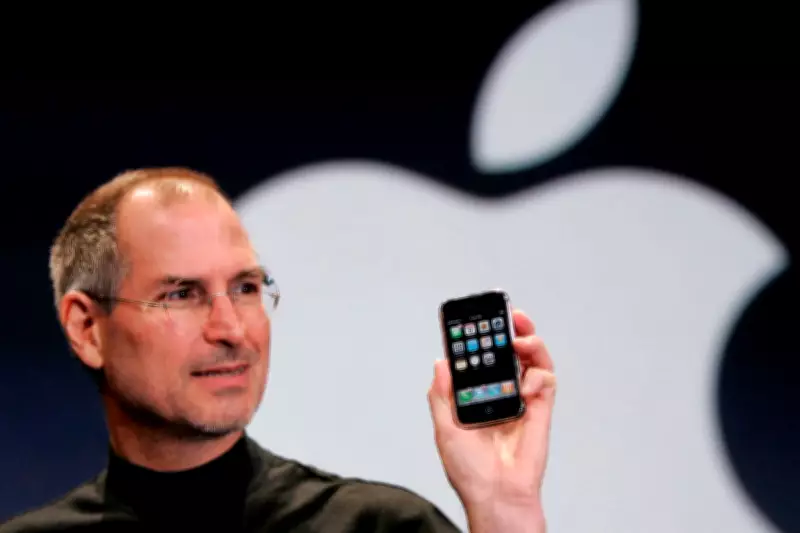
Americans have a complicated relationship with their iPhones, a love-hate affair that mirrors the device's own teenage years. The iPhone, born in 2007, has become an indispensable talisman, offering endless pleasures and conveniences—from instant social media posts to games, videos, music, texts, emails, internet surfing, news updates, directions, and tap-to-pay. Occasionally, it even makes phone calls.
Yet, this same device can feel like a drug dealer, preying on weaknesses and deepening addiction through endless notifications that shorten attention spans. Surveys reveal that many would choose their iPhone over their lover if forced to decide.
The Paradox of the iPhone
The challenge now is managing this relationship in a society that nearly requires smartphone ownership. Can we preserve benefits while curbing toxic habits? Is it fair to compare iPhone use to cigarettes, alcohol, or junk food? For now, America drifts further down a digital river, echoing F. Scott Fitzgerald's closing passage: "So we scroll on, boats against the current, borne back ceaselessly into the glowing screen."

A Teenage Device in a Changing World
The iPhone remains a teenager, impacting the same demographic it has most affected. Steve Jobs' 2007 promise that the iPhone would "change everything" proved prescient. As the U.S. marks its 250th anniversary, this reflection on a quintessential American object highlights the ongoing struggle to balance technology's benefits and drawbacks.






