A £1billion plan to build 29 battery-electric TransPennine Express trains in Britain will bring faster and more reliable journeys for rail passengers in the North.
The new fleet will cut journey times by up to 10 minutes between Manchester and Leeds and up to 14 minutes between Manchester and York. Capacity will also be boosted by 30%, meaning thousands of additional seats a day across the Pennines by the early to mid-2030s.
New trains to be built in Derby
The trains are to be built at Derby’s historic Litchurch Lane Works site, with construction due to start in 2028 and entry into service from winter 2034. They will operate services between key destinations across the North, including Liverpool Lime Street and Scarborough, Manchester Airport and Saltburn, and Manchester Piccadilly and Hull.

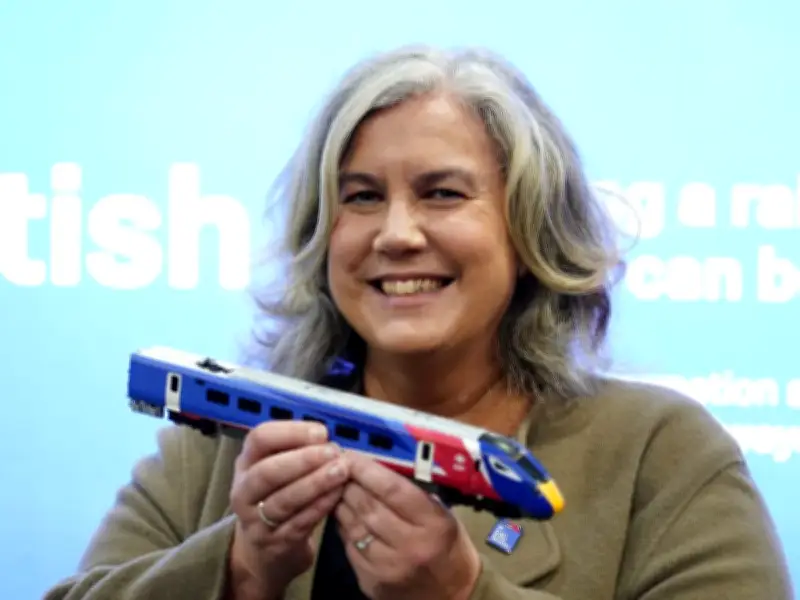
The battery-electric Adessia Stream trains, the first of their kind on a UK main line route, will provide emission-free travel on non-electrified sections of the railway. Ministers said this will mean quieter, smoother and more reliable journeys, as well as improved accessibility, more luggage space and onboard Wi-Fi.
Jobs and economic boost
The move is expected to support more than 350 highly skilled jobs in Derby, alongside 40 apprentices and 40 students, while backing a further 6,000 jobs across the UK supply chain and generating around £360million for the wider economy.
Prime Minister Mr Burnham said: "I've lost count of the number of times someone has stopped me to tell me about the train that never came. And when that happens, it means missed shifts, missed appointments, and missed opportunities."
He added: "Today that starts to change. These 29 new trains will bring faster, more reliable journeys to the North, and thousands of British jobs for the next generation. It’s exactly what Great British Railways is all about - taking back control of the basics and getting Britain believing again."
Funding and passenger benefits
Taxpayers will not pay the upfront cost of building the trains, with investment supplied by rolling stock company Rock Rail. Once in service, they will be paid for by fares and the subsidy the government gives the railway. The trains will be bought by Rock Rail and leased to TransPennine Express.
Transport Secretary Heidi Alexander said: "This significant investment embodies how GBR will deliver better journeys for people while backing British business. Passengers will be able to wave goodbye to overcrowded, delayed diesel trains and step onboard faster electric trains which are fit for the future. From Alstom’s factory floor in Derby to supply chains across the country, this deal will deliver growth, jobs, opportunity and better transport links for generations to come."
Chris Jackson, Managing Director at TransPennine Express, said: "This is a transformational £1billion investment in the future of rail travel across the North, delivering new trains for our customers as well as new infrastructure, new jobs and long-term economic benefits. Our customers will benefit from more seats and better accessibility, including level boarding."
He added: "Britain has a proud railway heritage, and this project puts the UK at the forefront of the next generation of cleaner rail technology."