

Supermarket Price Shock: Waitrose Undercuts Major Rivals
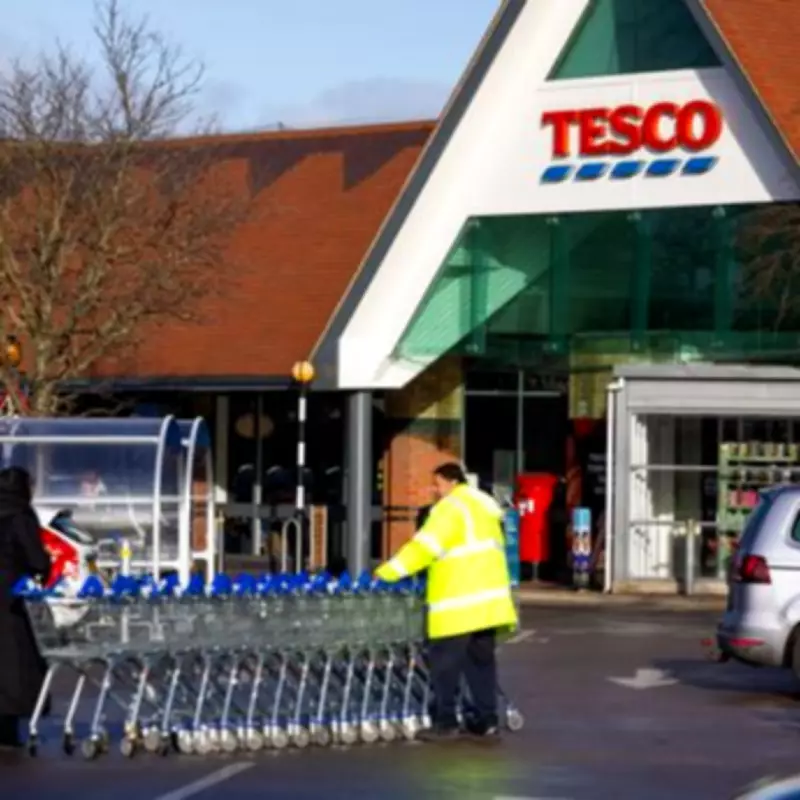
In a surprising turn of events, Waitrose has emerged as a more affordable option than Tesco and Sainsbury's for shoppers purchasing common branded groceries without loyalty cards, according to comprehensive research by consumer watchdog Which?.
The Loyalty Card Divide
The study, which examined 245 branded items including household names like Heinz, Nescafe, and Mr Kipling in February, revealed a stark pricing disparity between customers who participate in supermarket loyalty schemes and those who do not. For shoppers without Nectar or Clubcard memberships, Sainsbury's proved to be the most expensive retailer, with the basket costing £942.66 – a substantial 14% more than the cheapest option, Asda, at £823.58.
Tesco followed closely behind, with non-Clubcard holders paying £916.56 for the same selection of goods, representing an 11% premium compared to Asda. Remarkably, both major supermarkets were more expensive than Waitrose, which came in at £899.05 for the identical basket of branded products.

Who Gets Left Behind?
While most supermarket shoppers participate in loyalty programs, Which? highlighted several groups who face exclusion from the best prices. Some consumers deliberately avoid signing up due to data privacy concerns, while others face eligibility barriers. Notably, Tesco currently prohibits customers under 18 from obtaining a Clubcard, though the retailer has announced plans to review this policy before year's end.
"Our analysis reveals a shocking truth and shows the impact loyalty schemes have had on grocery pricing," stated Which? retail editor Reena Sewraz. "Branded favourites can actually be cheaper at Waitrose than at the UK's biggest supermarkets for shoppers who don't use a loyalty card – something that would have seemed unthinkable until a few years ago."
Dramatic Price Variations
The research uncovered extreme price differences on specific products:
- Amoy Straight To Wok Noodles averaged £1.25 at Waitrose and Morrisons but soared to £2.15 at Sainsbury's and Tesco without loyalty cards – a 72% markup
- Sea salt and vinegar Ryvita Thins were cheapest at Waitrose (£1.25) but cost £2.30 at Morrisons, Tesco, and Sainsbury's for non-members – an 84% premium
- A 200ml bottle of L'Oreal Paris Elvive Bond Repair Shampoo doubled in price for Tesco shoppers without Clubcards (£13 versus £6.50)
- Kenco Smooth coffee (200g jar) reached £8.35 at Tesco and Sainsbury's for non-members, compared to £7 at Waitrose and £6.32 at Asda
The Loyalty Advantage
For customers who do participate in loyalty schemes, the savings are substantial. Tesco Clubcard holders paid just £837.43 for the same basket – only 2% more than Asda. Similarly, Sainsbury's Nectar card users spent £848.56, representing a mere 3% premium over Asda's pricing.
The study identified several products where Tesco's Clubcard price was actually the market's cheapest. Carex Hand Wash cost just 95p with a Clubcard but reached £1.70 at Waitrose, while Kellogg's Crunchy Nut cornflakes averaged £1.55 at Tesco versus £2.50 at Waitrose.
Supermarket Responses
A Sainsbury's spokesperson defended their pricing strategy: "We have invested over £1 billion in recent years to help keep prices low and we know more customers are choosing to do their shop at Sainsbury's. We remain focused on offering outstanding value across thousands of products through our Aldi price match scheme, Nectar prices, Your Nectar Prices and our own-brand value lines."
Tesco emphasized the popularity of their loyalty program: "It's no secret that Tesco Clubcard unlocks exceptional savings for the 24 million UK households who have one. More than 80% of our sales are made with a Clubcard – but it's just one of the ways our customers get great value."
Shopping Strategy Recommendations
Which? offered practical advice for cost-conscious consumers:

- Shop around between different supermarkets rather than relying on a single retailer
- Pay close attention to unit pricing rather than just package prices
- Stock up on products when you encounter genuine deals
- Consider Asda for consistently lower prices on branded goods if you don't use loyalty cards
The research excluded discounters Aldi and Lidl due to their limited ranges of branded goods. Morrisons averaged 4% more expensive than Asda with a More card and 5% more without one, while Ocado was consistently 5% pricier than Asda across the board.
This comprehensive analysis underscores how supermarket pricing strategies have evolved, creating significant financial implications for different consumer groups based on their willingness or ability to participate in loyalty programs.





