

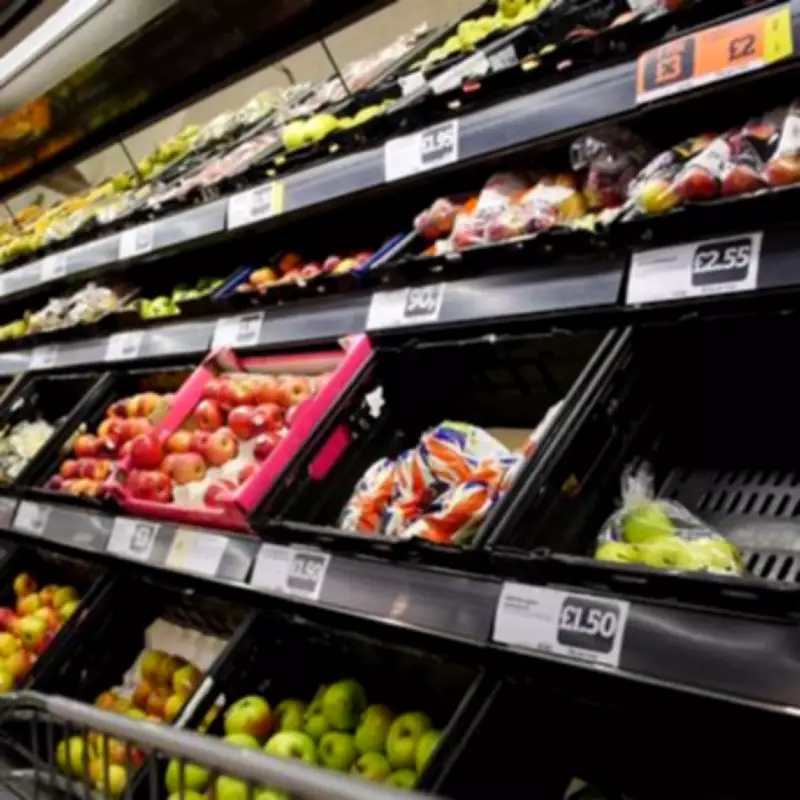
UK Supermarkets Face Fruit and Veg Shortages as Farmers Halt Production
British shoppers are being alerted to potential shortages of fruit and vegetables in supermarkets as growers across the nation consider ceasing operations prematurely. This alarming development stems from escalating energy bills and transportation expenses, exacerbated by the ongoing conflict in Iran.
Growers Issue Stark Warning
Producer organisations responsible for cultivating fresh produce have issued a dire warning that they may be forced to shut down and end the season early. This could result in bare supermarket shelves, reminiscent of the shortages experienced during the Russia-Ukraine conflict.
Lee Stiles, secretary of the Lea Valley Growers Association, emphasised the severity of the situation. "Growers are in the same position now as they were when Russia invaded Ukraine, because the wholesale gas prices are creeping up," he stated.

Stiles added, "With rising costs, many growers are thinking they might as well send the staff home, stop for the season and not produce anything. They're going to have to make a decision in the next few weeks as to whether or not it's going to be economic to continue for the rest of the year."
Impact on Key Crops
The LVGA represents seventy glasshouse operations, primarily located around London but extending nationwide. These facilities dominate UK cucumber production and also cultivate sweet peppers, aubergines, and tomatoes. If growers cannot afford to heat their glasshouses, crop development will halt, drastically reducing harvest volumes.
Stiles recalled, "Back in 2022 when Russia invaded Ukraine, we ended up with empty shelves in the supermarkets. The supermarkets agreed a fixed price with growers last year. They can intervene now if they wish and agree to pay more for the produce because of the increased cost of production. But it looks as though they're prepared to have empty shelves again and reduced availability."
Broader Industry Concerns
Rachael Williams from the West Sussex Growers Association echoed these concerns, noting widespread anxiety among growers. "I have touched base with our growers and everybody's obviously worried. They are worried about what will happen, how it will develop, and the uncertainty of it all," she said.
Williams explained that the crisis is multifaceted, involving:
- Rising transportation costs
- Increased input costs
- Supply chain disruption
- Energy expenses for heating glasshouses
She highlighted a specific example: "On the transport cost, red diesel has gone up by more than 50% in just 10 days, that's huge for open field growers using tractors too." Data from heating oil company BoilerJuice shows red diesel prices surged from 79.44 pence per litre to 131.26 pence per litre between March 1 and March 12.
National Implications and Government Response
The WSGA represents producers of fruit, vegetables, and ornamental plants across West Sussex, cultivating a diverse range including sweetcorn, courgettes, lettuce, strawberries, and blueberries. The potential shutdowns could affect these key crops significantly.
Meanwhile, the National Farmers' Union has engaged in discussions with the Department for Environment, Food and Rural Affairs regarding national food security. NFU president Tom Bradshaw stated, "We've already seen this situation play out with the Russian invasion of Ukraine which drove an ongoing cost-of-living crisis here. And, with the removal of farm support which added a layer of resilience for many farm businesses, farmers are more exposed than ever to global markets."
Bradshaw concluded, "Whilst the impact on food production and food price inflation will depend on what happens over the coming weeks, it is yet another sobering reminder of the need to build resilience in UK farming." This warning underscores the urgent need for action to prevent widespread shortages and protect the UK's food supply chain.






