

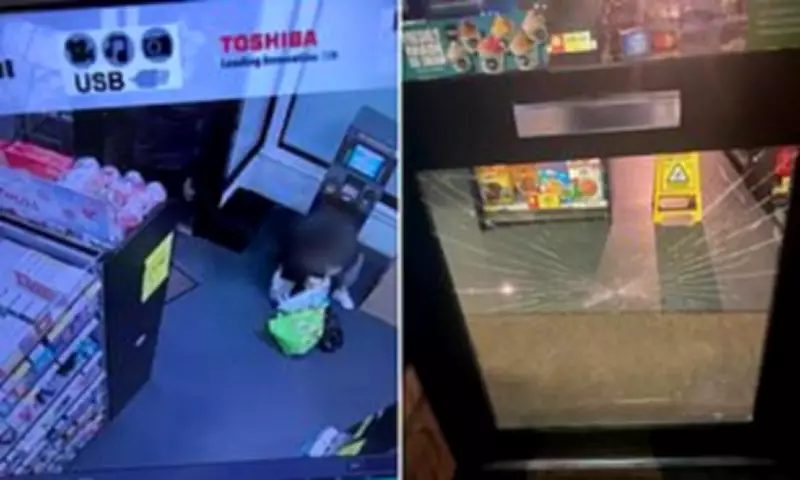
In a desperate bid to save his struggling business, a shopkeeper has publicly released shocking CCTV footage showing shoplifters ransacking his shelves, claiming the relentless thefts are costing him a staggering £20,000 per year while police consistently fail to investigate.
Daily Devastation and Police Inaction
Mohammed Bilal, 39, who runs the Londis convenience store in Bathgate, West Lothian, Scotland, says his business is being devastated by daily thefts that have escalated into dangerous vandalism. He reports losing faith in police protection as repeated reports yield no results, leaving his staff endangered and his family's livelihood at risk.
Graphic CCTV Evidence of Rampant Theft
The CCTV footage shared by Mr Bilal provides stark visual evidence of the crisis. One clip shows a woman brazenly stuffing multiple bottles of wine into her handbag, while another captures a woman attempting to steal a bottle before smashing it violently on the ground. "It happens almost every other day - they just enter and grab things and run away," Mr Bilal explained.

He described how thieves have resorted to destructive behavior when confronted: "Sometimes when you try and stop them, they break things - they've tried to damage the shelves and damage the door. That costs us extra money." The shop has suffered multiple incidents of smashed doors and windows, adding repair costs to the substantial stock losses.
Financial Impact and Business Survival Threat
The financial toll is crippling. Mr Bilal estimates daily losses between £50 and £100 from stolen stock and property damage. "A whole shelf got emptied by one guy who put everything into the bag and ran away," he recounted. The cumulative effect amounts to approximately £20,000 annually - a sum that threatens the very survival of his small business.
"We reported to the police, and at the end of the day, we never got anything back from them," Mr Bilal stated with evident frustration. "Sometimes you ask what's the point to waste the time and chase the stuff. We never recover anything."
Social Media as Last Resort for Protection
With traditional law enforcement proving ineffective, Mr Bilal has turned to social media as a last-ditch effort to protect his business. He now regularly publishes CCTV footage of shoplifters online, hoping community recognition might deter future thefts where police action has failed.
"I share the pictures because they might be kids and their guardian or someone they know can actually stop them," he explained. This unconventional approach stems from genuine fear for employee safety: "It's dangerous to take things from the people doing the shoplifting - they can hurt the staff members and that's a safety concern. Their safety is very important."
Broader Context and Business Adaptation
While acknowledging the cost-of-living crisis may be driving some thefts - "I don't know why it's happening more - it could be that things are getting expensive" - Mr Bilal emphasizes he maintains competitive pricing. The crisis has forced him to adapt business practices in damaging ways: "The loss of money - we don't want to put extra stock on a shelf in case someone comes in to shoplift."
This stock limitation strategy, while reducing potential losses, simultaneously restricts legitimate sales opportunities, creating a vicious cycle that further threatens business viability. Police Scotland has been contacted for comment regarding the allegations of inadequate response to Mr Bilal's repeated reports.
The situation highlights growing concerns about retail crime across the UK, particularly how small businesses struggle with both financial losses and the physical safety risks when law enforcement response proves insufficient. Mr Bilal's experience serves as a case study in how shopkeepers are forced to innovate their own protection strategies when traditional systems fail them.






