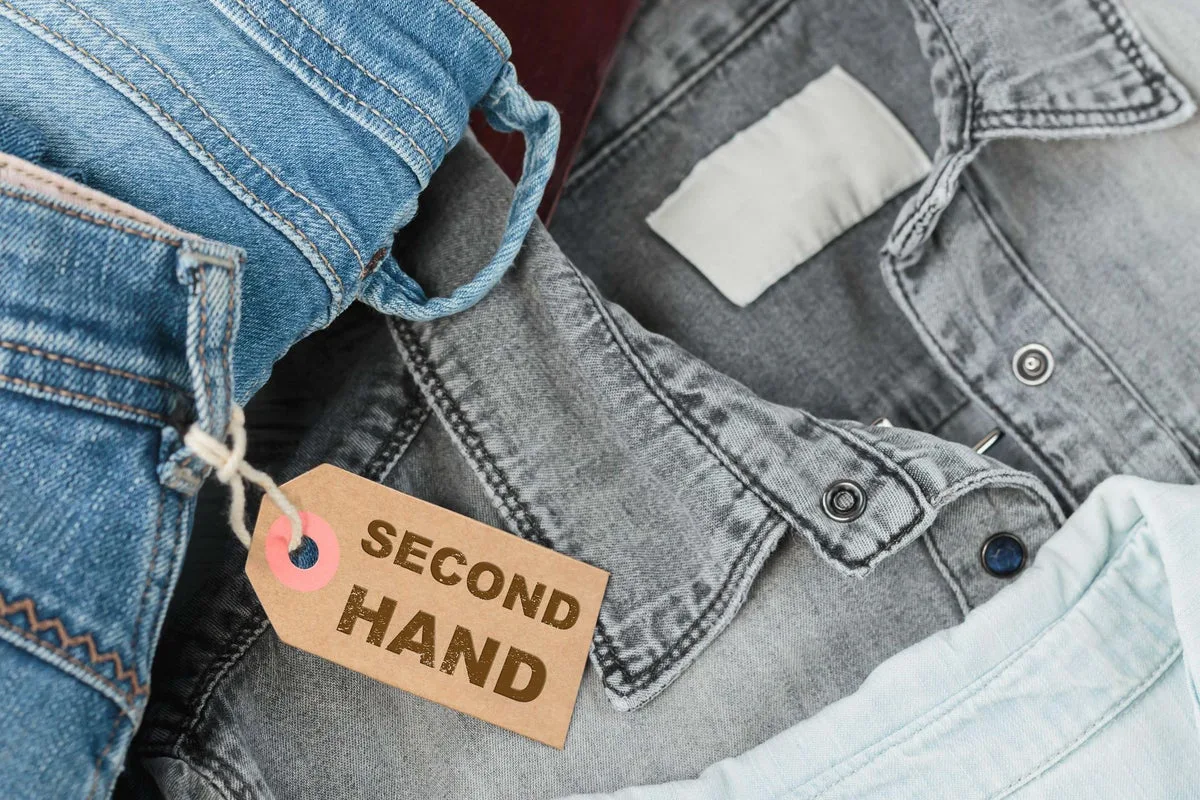
One in 10 UK consumers now choose second-hand as their first option when buying non-food items, according to a survey by KPMG. The poll found that 8% of all age groups use reselling sites as their main way of purchasing non-grocery goods so far in 2026, rising to 15% among 18- to 24-year-olds.
Those earning between £30,000 and £35,000 have bought the most via resale platforms this year. Meanwhile, a third of people (33%) have sold an item through a reselling site, averaging five items across all age groups. Those earning between £35,000 and £40,000 have sold the most items on average.
An additional 18% of people have not yet sold an item on reselling sites this year but plan to do so. The survey also revealed shopping habits: 21% mainly shop online from UK marketplaces like Amazon or retailer sites such as Tesco or B&Q, while 19% mainly shop in stores of well-known UK retailers.

Linda Ellett, head of consumer and retail for KPMG UK, said: “The growth of consumer-to-consumer selling platform use is shaking up the UK retail landscape, with a combination of factors increasing the popularity of buying and selling pre-loved goods. These range from the ability to buy cheaper, making some extra money, consumer belief in sustainability, the range and quality of items offered, through to the simplicity and convenience of use.”
She added: “With the cost of living remaining high and sustainability a consumer priority, reuse growth looks set to continue.”