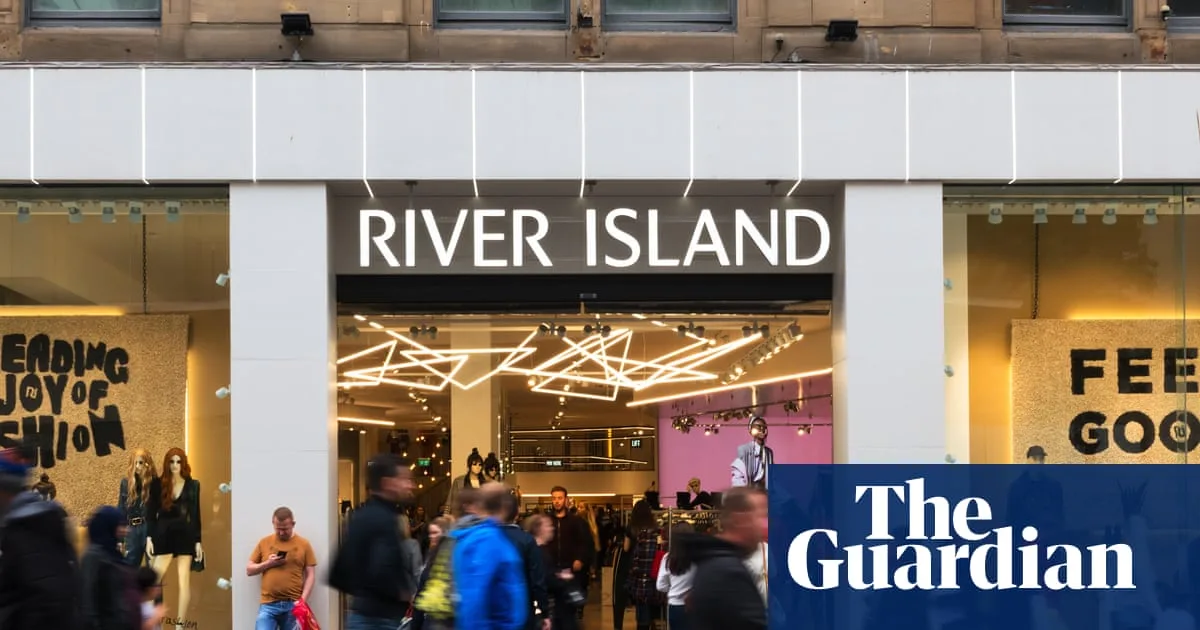
River Island to Shut 32 UK Stores as High Street Faces Retail Crisis
River Island Closes 32 Stores Amid High Street Retail Crisis

Major Fashion Retailer Announces Widespread Store Closures Across the United Kingdom

Popular British fashion chain River Island has confirmed plans to close a total of 32 stores throughout the United Kingdom as part of a significant restructuring initiative. This decision comes in the wake of a substantial pre-tax loss amounting to £32.3 million, highlighting the severe pressures facing the traditional retail sector.

CEO Cites Changing Consumer Habits and Economic Pressures

Ben Lewis, the Chief Executive Officer of River Island, explained the rationale behind the closures, stating that the company possesses "a large portfolio of stores no longer aligned to our customers' needs." The retailer identified the dramatic rise of online shopping platforms and escalating operational costs as the primary challenges forcing this strategic shift. River Island, which currently operates approximately 200 outlets nationwide and employs over 5,000 staff members, will continue to run its remaining branches across the UK and Ireland. No further closures have been confirmed at this time.

List of River Island Locations Scheduled for Closure in 2026

The following River Island stores are set to cease operations in 2026, affecting communities across England, Scotland, Wales, and Northern Ireland:

Wide Pickt banner — collaborative shopping lists app for Telegram, phone mockup with grocery list
  • Aylesbury, Buckinghamshire
  • Bangor Bloomfield, Northern Ireland
  • Barnstaple, Devon
  • Beckton, Greater London
  • Brighton, East Sussex
  • Burton-Upon-Trent, Derbyshire
  • Cumbernauld, Scotland
  • Didcot, Oxfordshire
  • Edinburgh Princes Street, Scotland
  • Falkirk, Scotland
  • Gloucester, Gloucestershire
  • Great Yarmouth
  • Grimsby, Lincolnshire
  • Hanley, Staffordshire
  • Hartlepool, County Durham
  • Hereford, Herefordshire
  • Kilmarnock, Scotland
  • Kirkcaldy, Scotland
  • Leeds Birstall Park, West Yorkshire
  • Lisburn, Northern Ireland
  • Northwich, Cheshire
  • Norwich, Norfolk
  • Oxford, Oxfordshire
  • Perth, Scotland
  • Poole, Dorset
  • Rochdale, Greater Manchester
  • St Helens, Merseyside
  • Surrey Quays, Greater London
  • Sutton Coldfield, Warwickshire
  • Taunton, Somerset
  • Workington, Cumbria
  • Wrexham, Wales

Iconic Jewellers Also Succumb to High Street Struggles

In a parallel development underscoring the broader retail crisis, established British jeweller Krafft Jewellers has announced the permanent closure of its sole physical store in Chelmsford, Essex. This decision marks the end of over half a century of trading for the beloved retailer. In an official statement, the company expressed regret, noting, "This decision has not been easy, but the trading climate has become so much harder over the past few years. Unfortunately, the advance in online shopping and increasing costs has impacted so many high street businesses, ours included." The Chelmsford store is scheduled to shut its doors on March 31, 2026.

Rescue Deal Secures Future for Family-Run Jewellery Chain

Meanwhile, another family-owned jewellery business, C W Sellors, has been rescued after entering administration earlier this year, a move that has safeguarded 46 jobs. The high street jeweller, founded in 1979, has been acquired by a new consortium comprising members of the firm's existing leadership team and external investors. C W Sellors operates ten stores across the UK, including locations in Whitby, York, Ashbourne, Bakewell, Matlock, and Shrewsbury.

Lee Causer from business advisory firm BDO commented on the challenges faced by the chain, stating, "The business has been experiencing challenging trading conditions, with rising overheads and lower demand for its high-end products." Chief Executive Antony Lindsay affirmed the brand's resilience, saying, "CW Sellors is a well-established British jewellery and watch business with strong foundations and a loyal customer base. Our focus now is on developing the business further whilst preserving the craftsmanship, expertise and customer relationships that have defined the brand for almost half a century."

These developments collectively paint a stark picture of the ongoing transformation and difficulties within the UK's retail landscape, driven by digital disruption and economic pressures.

Pickt after-article banner — collaborative shopping lists app with family illustration