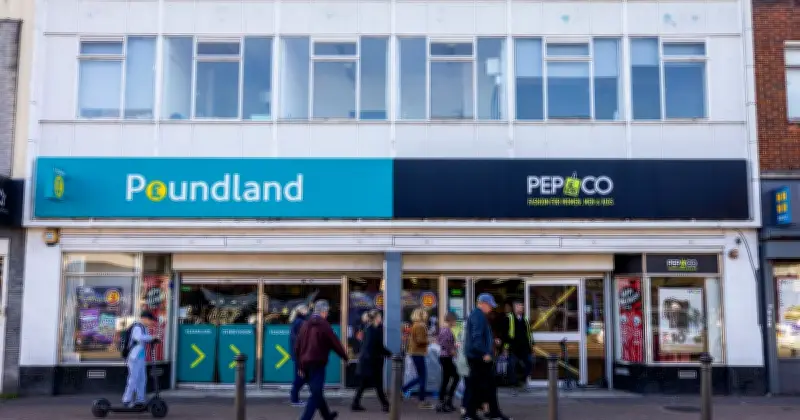
Poundland's shelves could become noticeably emptier before Christmas as the discount retailer moves closer to administration under mounting financial pressure. The chain is on the brink of insolvency after being acquired by Gordon Brothers for £1 in June last year, and the investment firm has rejected a takeover proposal that supporters believed could have helped protect roughly 12,000 jobs.
Unpaid suppliers and frozen credit
According to reports, Poundland has been unable to pay suppliers for fresh stock since October 27, when Gordon Brothers restricted access to its credit lines and cash from day-to-day trading. While payments for key operational services are still reportedly approved, suppliers providing goods for resale are said to be going unpaid.
This means Poundland is selling products already on its shelves but cannot replace inventory, fuelling concerns about whether the chain can maintain sufficient stock through the vital Christmas trading period, ITV reported.
Cash reserves inaccessible
Poundland had around £25 million in cash reserves that management was reportedly unable to access. The amount is believed to have continued rising as revenue from ongoing sales accumulated. The chain has not formally entered administration and its stores remain open.
Gordon Brothers said it is "pursuing all avenues through the sales process" but that Poundland has faced several years of instability and "remains challenged and vulnerable." The firm said it is "engaging in active discussions on offers with interested parties."
Government involvement and economic pressures
Both Reynolds and Prime Minister Andy Burnham have questioned why a deal for the business's future has not been made. In a letter to the Government last week, Mark Newton-Jones, who leads Gordon Brothers' UK operations, argued that Poundland remains financially fragile despite stabilisation efforts.
"Like other high street retailers, the company faces multiple economic challenges, including rising inflation, increasing staffing costs and shrinkage from severe levels of shoplifting, which means it is still not cash-generative at a sustainable level despite the turnaround efforts," Newton-Jones wrote.