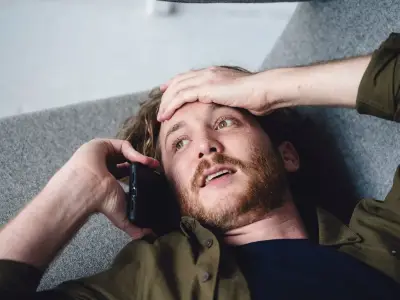
A poll of 1,000 parents with children aged four to eight found that 68% feel pressured to take their kids to see amazing sights during the six-week summer holidays. However, three quarters say free walks in the woods bring just as much wonder.
Parents splash out an average of £400 per child on action-packed excursions to keep their children entertained. Eight in ten anticipate having to forgo treats for themselves, including dining out, new clothing, and mini-breaks.
Yet the cash spent often goes to waste: 75% have regretted splurging on expensive sightseeing or museum days when their children were not genuinely interested. On average, parents spent £232 on outings that left their children indifferent.
Children Find Wonder in Free, Mundane Sights
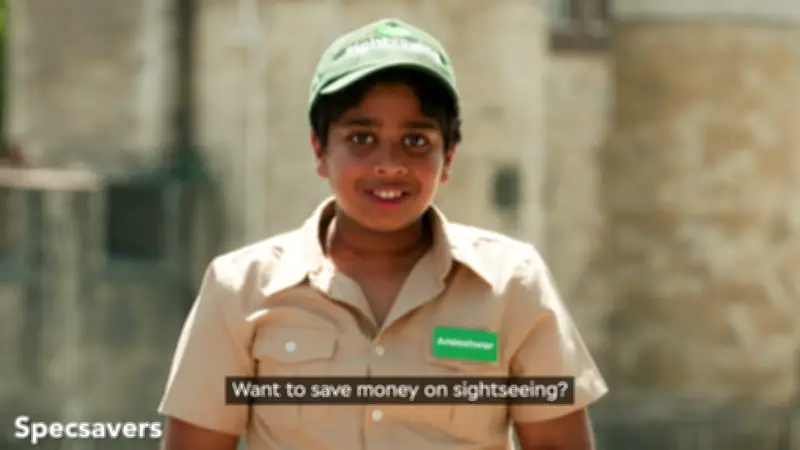
Three quarters of parents revealed their youngsters felt as much amazement during a free woodland stroll as on a costly trip. Specsavers, which commissioned the research, has teamed up with TV adventurer Aneeshwar Kunchala to encourage families to go 'Tightseeing' – taking kids to see free mundane sights they find magical.
Aneeshwar Kunchala said: "Nature, it's my favourite mundane sight. If it's a tree that looks like a stick man or a stump that looks like a drum set – as I like to call it, a stump-set – or anything in between, children can find wonder in everyday things."
They curated a crowdsourced map on Tightseeing.com featuring top free sights around the UK, including a “Quite Tall Pointy Rock” in Bristol, “A Very Mossy Wall” in Yorkshire, and “Five Big Ole Logs” in North London.
Children's Interests and Eye Health
A third of parents said there is no correlation between spending and enjoyment. Children are most interested in nature (35%), animals (32%), or water (25%). Everyday wonders include the Greenwich foot tunnel, a local post box, and anywhere they can collect leaves and sticks.
Jill Campbell, optometrist at Specsavers, said: "We know parents are feeling financially stretched so we want to remind them that children's eye tests and glasses are free. You'll be doing the best thing for their vision and eye health by helping them better spot everyday wonders around them, while also saving hundreds of pounds on often expensive sightseeing days out."
Data from the Royal College of Ophthalmologists 2021 report states around one in five children under 10 have a sight condition that could affect their vision. Campbell added: "It's not always easy to spot vision problems in children - a lack of interest in the everyday things they usually find fascinating can be a good clue. That's why we recommend an eye test for children every two years, even if nothing seems wrong."