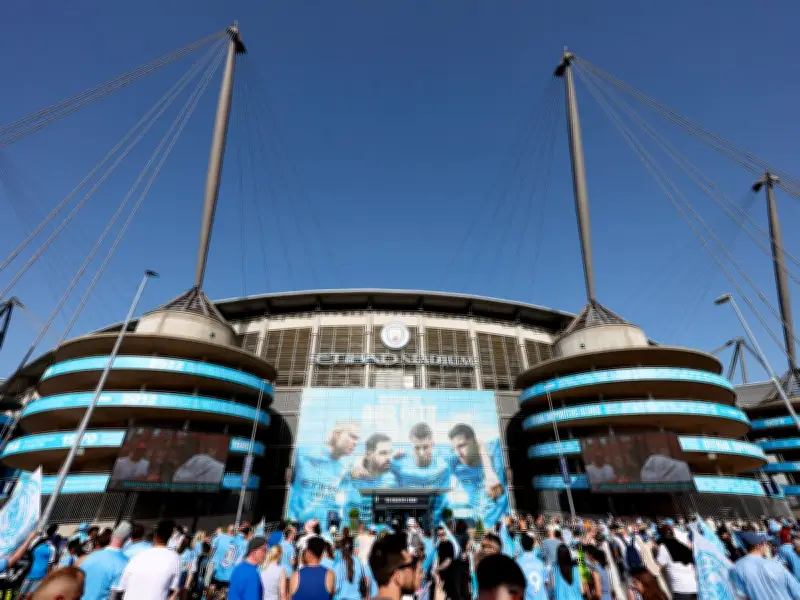
Manchester City have introduced a ballot as part of their scheme to offer cheap tickets for local residents this season. The initiative, announced last week, will see up to 500 tickets per game available for £10 for adults living near the Etihad Stadium. The ballot takes place closer to matchday, once kick-off times are confirmed, allowing fans to decide when to apply.
Current Ticket Sales Model Favours the Wealthy
City currently sell a large portion of seats for every home game months in advance, before the season starts. While this helps the club gauge demand and pleases sales executives as allocations sell out early, it primarily benefits overseas fans and the richest supporters. Overseas fans gain confidence to travel with a guaranteed ticket, even if match times shift. However, local fans who need to assess their monthly budget are often priced out or unable to commit early.
According to Simon Bajkowski, Chief Manchester City Writer, the system "favours the richest – those who have the money to buy tickets for multiple matches when for others it is a case of seeing how much money they have left in their account every month."
Ballot Details and Concerns
The new ballot is intended to address this inequality by offering affordable tickets closer to the game. However, scepticism remains among fans. There are concerns that ballots could be open to abuse, such as allowing non-local supporters or even rival fans to obtain tickets. City have stated they do not plan to extend the ballot to other ticket sales, but they must ensure the system works effectively.
"The idea of a ballot, secretive in its nature, has plenty of fans sceptical," Bajkowski notes. "There is no appetite from Blues for a ballot for any other aspect of ticket sales because of how it could be open to abuse."
Potential Impact and Implementation
The club will need to demonstrate that the ballot reaches its intended audience – local residents – and does not inadvertently allow in "half a thousand extra Reds or a dozen of the goalkeeping coach's mates on derby day." The cheap tickets initiative has been well received overall, but the ballot remains a point of contention. If successful, it could solve affordability issues; if mismanaged, it could create new problems.