Lego sales rose by more than a fifth in the first half of 2026, helped by tie-ups with the football World Cup, Formula One and the hit film KPop Demon Hunters, as well as its flower-based and Star Wars kits.
The Danish toymaker said revenues increased by 21% to 41.9bn Danish kroner (£4.8bn) in the first six months of the year, driven by strong growth in the Americas, Europe and the Asia-Pacific regions, offsetting stalled sales in China.
World Cup and celebrity figurines drive demand
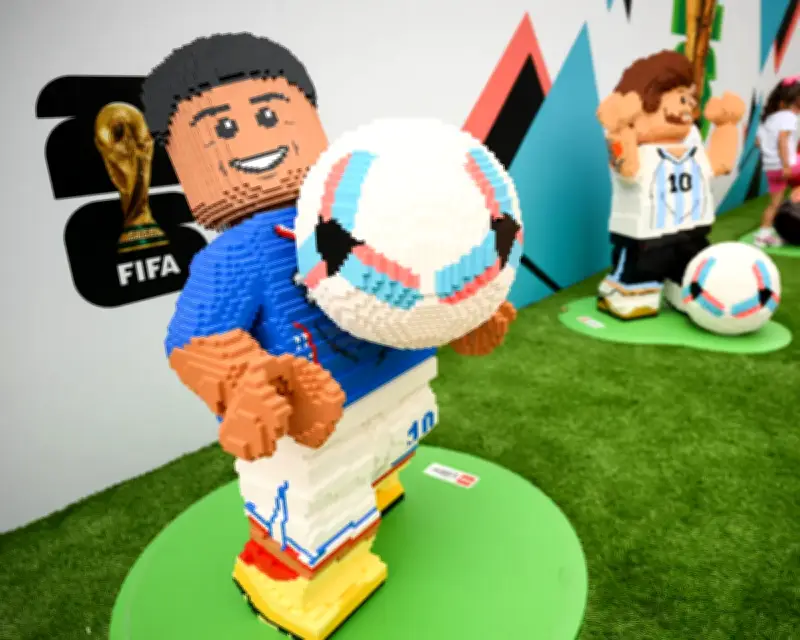
Sales by its clients to consumers rose by 22% as it produced World Cup kits, including mini figures of players such as Harry Kane and building kits of superstar players, including Cristiano Ronaldo and Lionel Messi, which retailed for up to £159.99.

Net profit increased 32% to 8.6bn Danish kroner (£1bn) as the group launched 330 new products, including its hi-tech Smart Play kit with bricks that emit sounds and light.
CEO highlights cultural relevance and sustainability
Niels B Christiansen, the chief executive of Lego Group, said: “We are very pleased with our strong start to 2026 and the excitement we see for the Lego brand. Our portfolio of products offers something for everyone, and culturally relevant brand experiences continue to drive demand across the globe. Our success in the market means we can maintain high investment levels in growth and sustainability for both the short and long term.”
He said the World Cup was “a breakthrough for us” in providing “exciting sets” linked to football and “an example of us bringing the Lego brand close to a passion point and interest for many people”.
Solar expansion and packaging shift
Christiansen said Lego was expanding solar energy capacity at all of its factories. In June, it began constructing its largest solar installation so far in Billund, Denmark – its main headquarters and the home of the original Legoland park. The site, which will begin operating next year, will feature 160,000 panels able to produce 99 GWh a year, designed to match the company’s electricity needs in the town.
Lego also said it was continuing its global shift towards using paper bags in its packaging and expected that to be completed next year. Increased use of recycled plastic in the bricks is also helping to offset rising costs of virgin plastic driven by the impact of the crisis in the Middle East, which has pushed up the price of oil.
The company said it did expect costs to rise in the second half of the year as the cost of fuelling its lorries rose as well as raw materials, but said there would not be a “material impact” on the business.
Growing demand from adults and ‘kidults’
Lego has led a resurgence in the toy market in the past year, as adults look for an alternative entertainment to phones and TV screens. Christiansen said sales to both children and adults were increasing and there was a “nice synergy” between the two groups as when “more adults get excited about the brand they become super ambassadors” by buying the kits for children and young people.
“Kidults” (buyers aged 12 and over) are spending spare cash on expensive Lego sets and collectible figurines. This group is behind £1 in every £3 spent on toys in the UK, and these buyers spent 10% more in 2025 than the year before, according to a study by the market research company Circana.
With toys linked to a wide range of interests, from sports such as Formula One to hit films and TV shows including KPop Demon Hunters and Stranger Things, the British Toy and Hobby Association has said there appears to be an “evolving era of play, where toys are increasingly embedded in wider cultural moments, enjoyed by all the family”.