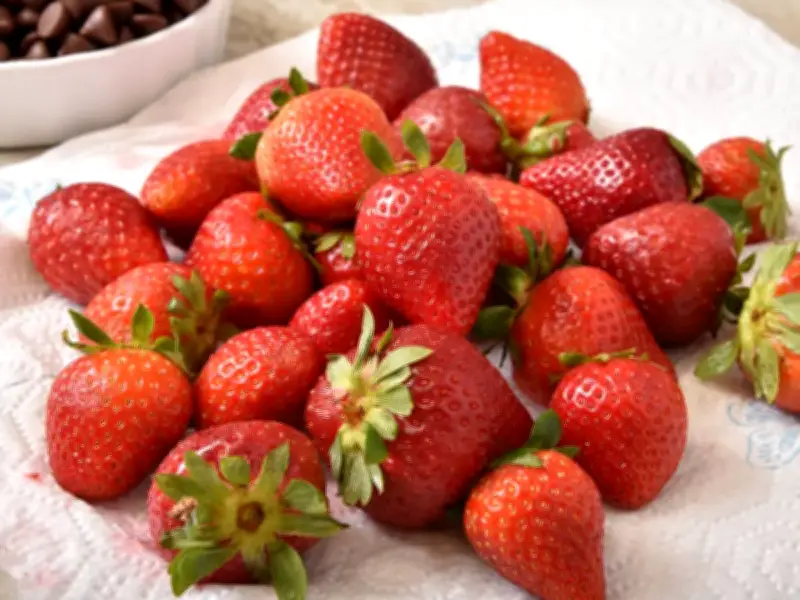
Waste management experts have shared storage advice to help strawberries stay fresh for longer, reducing food waste and saving households money. Strawberries are particularly vulnerable to moisture, which can promote mould growth and lead to rapid deterioration, according to specialists at Wheeldon Brothers.
"Strawberries contain a lot of moisture, so excess water is one of the biggest things that can cause them to spoil," a spokesperson explained. "Keeping them dry and giving them enough airflow can make a noticeable difference to how long they stay fresh."
Don't wash until you're ready to eat
One of the most crucial tips is to resist washing strawberries until they are about to be consumed. Any moisture remaining on the fruit can accelerate mould development, the spokesperson noted.
"Washing strawberries before storing them can actually shorten their lifespan," they said. "It's much better to keep them dry and only wash the portion you're about to eat."
Strawberries should also be kept in the fridge rather than left at room temperature for long periods. Ideally, they should be stored in a container that allows some airflow rather than being sealed in an airtight setting.
Check for damage and use kitchen paper
"Good ventilation is important because strawberries need to stay cool without becoming trapped in condensation," the spokesperson advised. "If the original container has ventilation holes, it's usually best to leave them there rather than transferring them into a completely sealed box."
Another tip is to inspect the strawberries before storing them and discard any that are bruised, damaged or showing signs of mould. "One mouldy strawberry can quickly affect the fruit around it," the spokesperson warned. "Checking the punnet when you get home and removing any damaged berries can help prevent the problem from spreading."
A dry sheet of kitchen paper placed beneath the strawberries can help absorb condensation and keep the fruit from sitting in dampness. "You don't want strawberries sitting against a layer of water," the spokesperson explained. "A little kitchen paper underneath them can help absorb excess moisture and keep the fruit drier."
Give strawberries space and freeze surplus
It is also important not to overcrowd strawberries, as packing them tightly can cause bruising, and damaged areas are far more susceptible to mould. "If strawberries are packed tightly together, one soft or damaged berry can quickly become a problem for the rest," they added. "Giving them a little space and handling them gently can help them last longer."
For families wanting to preserve strawberries beyond their natural lifespan, freezing presents another solution. Strawberries can be washed, dried completely, hulled, and frozen for future use in smoothies, puddings, and baking.
"Freezing is a great way to avoid throwing strawberries away if you know you aren't going to eat them in time," the spokesperson concluded. "It means you can enjoy them for much longer and avoid wasting perfectly good fruit."