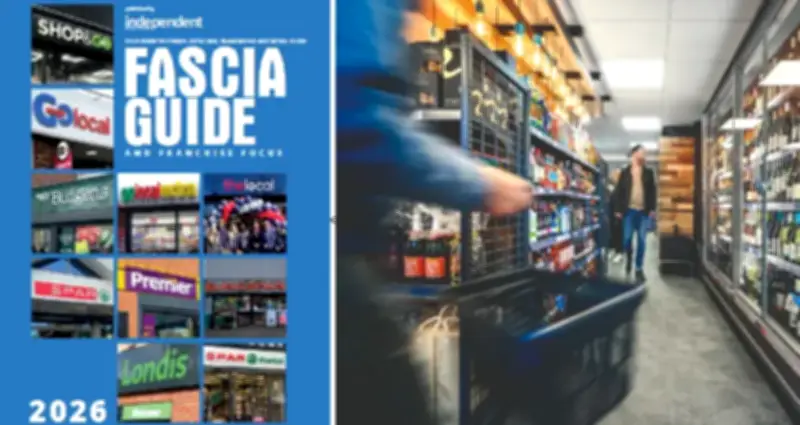
Independent convenience stores are facing a combination of pressures in 2026, including higher employment and operating costs, persistent shop crime, changing regulation and customers who expect both good value and a wide range of quality products. At the same time, new opportunities are emerging in fresh and chilled food, food-to-go, home delivery and in-store services. For many store owners, the question is not whether to change, but how to make the right changes while running a busy business.
Why joining a symbol or franchise group is worth considering
Affiliation does not remove the challenges of independent retail, nor does it replace the local knowledge and entrepreneurial instinct that make the best stores successful. What it can provide is a stronger platform from which to compete. A familiar fascia above the door gives shoppers confidence, while professional signage and store formats can sharpen a business's identity without erasing its local character. Recognised own-label ranges and regular promotional programmes can help retailers present a credible value message to customers.
Much of the value to retailers, however, lies behind the scenes. Retailers may receive help with ranging, merchandising and planograms; store design, refits and equipment; marketing and social media; technology, data and back-office systems, and staff or operational training. The support of a business development manager can be particularly useful, bringing an informed outside view to a store and helping its owner identify gaps, improve standards and plan investment.
Support for growth and expansion
That backing can become even more important when a retailer wants to grow. For an ambitious single-site operator, a good symbol partner can offer a route towards a larger, more profitable store. For owners building a small chain, consistent systems, branding and operating disciplines can make additional sites easier to manage. And when the market shifts, belonging to a wider network gives retailers access to ideas, experience and practical solutions tested across many stores.
Of course, no single model suits everyone. Symbol and franchise groups differ in their costs, contract terms, minimum purchasing requirements, promotional structures and degree of control. Retailers should look beyond the headline package and ask how well a prospective partner understands their store, their customers and their ambitions. They should also speak to existing members and examine the support available after the fascia has gone up, not only during recruitment.
Technology and rapid delivery opportunities
One area in which the support of a symbol or franchise group can be invaluable is technology. Most groups offer their own EPoS system and can recommend trusted suppliers for everything from CCTV and electronic shelf-edge labels to help with social media. Increasingly, these tools are becoming connected. Several wholesalers are incorporating AI into ordering systems to help predict demand, reduce waste and ensure retailers have the right products on shelf at the right time.
Technology can also take a store beyond its four walls. Rapid home delivery is a good example, with wholesalers either providing their own platforms or brokering partnerships with the likes of Snappy Shopper, Deliveroo, Just Eat and Uber Eats. This can remove much of the complexity involved in establishing an online offer. Of course, introducing technology is not simply a matter of installing equipment or downloading an app. Retailers need training, responsive technical support and systems that work together without adding unnecessary complexity. A good symbol partner can help identify the right solutions and make the transition manageable.
Rapid delivery will not suit every store, but the right support can lower the barriers to entry. As supermarkets and Amazon expand their fast-delivery offers, symbol-group platforms give independents a chance to compete while retaining their greatest advantage: the trust and personal service of a genuinely local shop.